

The Science of Arousal: How PT-141 Targets the Central Nervous System

Hi Mate, Matt here.
Welcome back to the lab. Today, we’re diving deep into one of the most fascinating compounds in our research catalog: PT-141, also known as Bremelanotide. If you’ve been following the world of metabolic health and longevity, you know that physical performance isn't just about what happens in the muscles or the circulatory system: it’s about the command center.
When we talk about Arouz-al and L-ibido, most people immediately think of peripheral solutions. You know the ones: the traditional "blue pills" that focus almost exclusively on blood flow. But for the serious biohacker and researcher, that’s only half the story. To truly Unlock the body's potential, we have to look at the brain.
PT-141 is a game-changer because it bypasses the plumbing and goes straight to the wiring. It’s a centrally acting peptide that targets the Central Nervous System (C.N.S.) to Revolutionize how we understand sexual motivation and drive.
The Problem: When Peripheral Solutions Aren't Enough
For many researchers, the biological need isn't just a matter of "mechanical function." Often, the issue lies in a lack of Des-ire or a disconnect in the neural pathways that signal motivation. Traditional phosphodiesterase type 5 (PDE5) inhibitors work by relaxing smooth muscle and increasing blood flow. They are "bottom-up" solutions.
However, if the C.N.S. isn't sending the signal, increasing blood flow is like trying to start a car with no spark plugs. You have the fuel, but no ignition. This is where the scientific luxury of PT-141 comes into play. It provides the "spark" by acting as a triple-threat to low drive, targeting the very receptors that control our most primal instincts.
The Mechanism: MC3R and MC4R Receptors
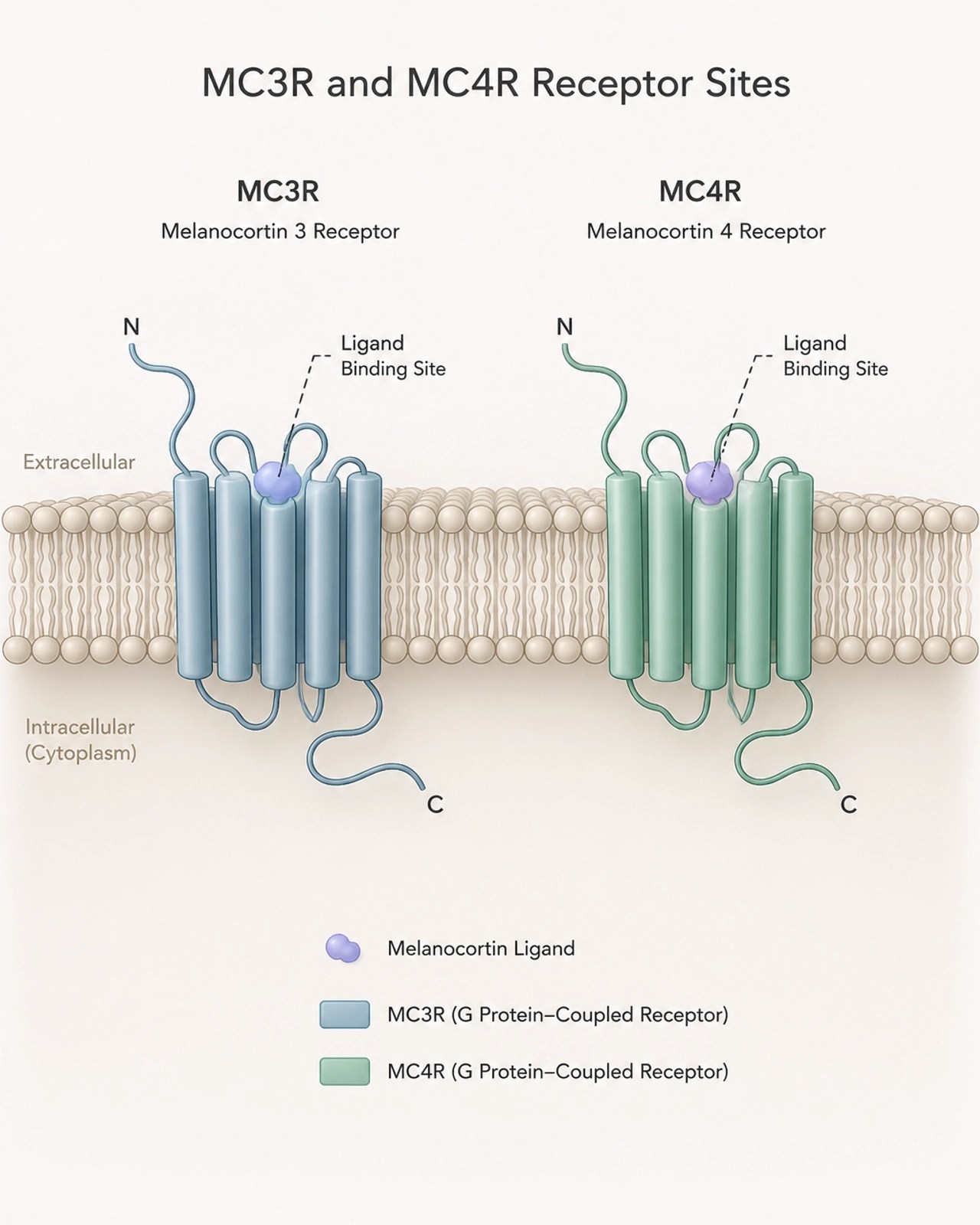
The magic of PT-141 happens within the Melanocortin system. Specifically, it is a non-selective agonist of the melanocortin receptors, with a high affinity for the MC3R and MC4R subtypes located in the brain.
The Role of MC4R: The Primary Ignition
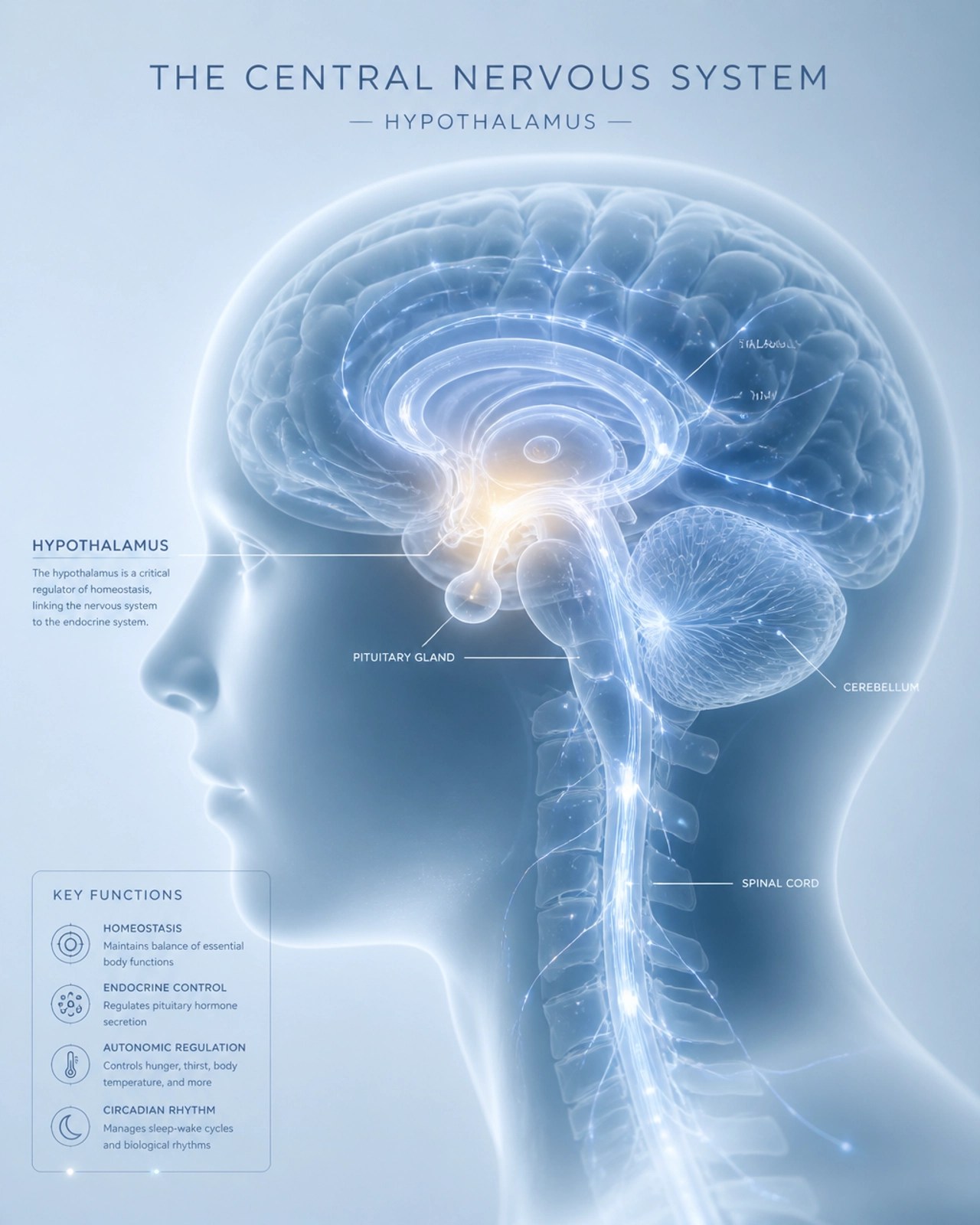
The MC4R (Melanocortin 4 Receptor) is the star of the show. These receptors are densely packed in the hypothalamus, particularly in the medial preoptic area (mPOA) and the paraventricular nucleus (PVN).
When PT-141 crosses the blood-brain barrier and binds to MC4R, it triggers a cascade of neural activity. Research shows that this activation leads to an increase in Dopamine release. Dopamine is the neurotransmitter of "wanting": it is the chemical signal for reward, motivation, and Arouz-al. By stimulating these specific C.N.S. pathways, PT-141 Transforms the research subject's internal environment, biasing the brain toward sexual excitation rather than inhibition.
The Role of MC3R: The Modulatory Brake
While MC4R provides the excitatory drive, the MC3R (Melanocortin 3 Receptor) plays a more complex, modulatory role. In the delicate balance of the hypothalamus, MC3R often acts as a regulator. Some research suggests that while MC4R is the "gas pedal" for arousal, MC3R can act as a subtle "brake" or a feedback loop to ensure the system doesn't overfire. PT-141’s interaction with both receptors ensures a sophisticated, nuanced biological response that mimics the body’s natural rhythm.
Beyond the Physical: The Dopamine Connection
Because PT-141 works through the C.N.S., its effects are often described as more "natural" or "holistic" than peripheral-only compounds. It doesn't just create a physical response; it facilitates the mental state required for peak performance.
By engaging the hypothalamic circuits, PT-141 helps to:
- Increase Dopamine Signaling: Enhancing the reward-seeking behavior essential for healthy metabolic and sexual function.
- Modulate Serotonin Pathways: Helping to overcome the inhibitory signals that can often dampen L-ibido during times of stress or high cortisol.
- Restore Neural Drive: Activating the "command center" to ensure the body and mind are in total alignment.
Product Profile: PT-141 (Bremelanotide)
For those looking to include this powerhouse in their research protocols, we offer PT-141 in a highly purified, lyophilized format designed for stability and precision.
- Classification: Melanocortin Receptor Agonist
- Primary Targets: MC3R, MC4R
- Physical Contents: 10mg Lyophilized Peptide Vial
- Purity: >99% Research Grade
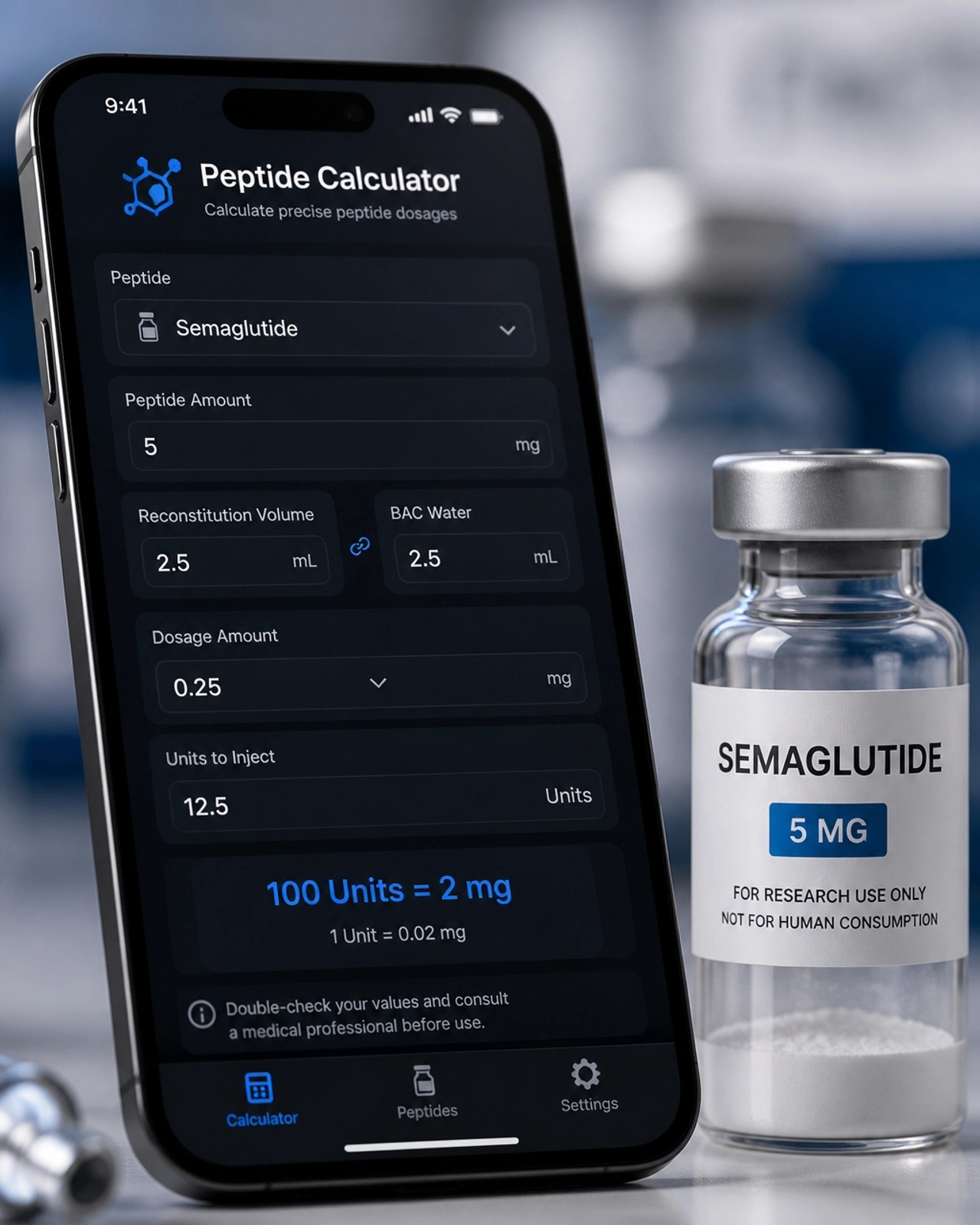
To ensure you are getting the most out of your research, we highly recommend utilizing our Peptide Calculator for precise dosing guidance. Whether you are managing a complex metabolic protocol or looking to Combat age-related decline, accuracy is the hallmark of the professional researcher.
Incorporating PT-141 Into Your Research
When starting a new protocol with PT-141, it is essential to understand the timing and delivery. Unlike traditional options that work within minutes, PT-141 is a slow-burn beauty. Because it must travel through the C.N.S., effects are typically observed 2 to 4 hours post-administration.
The Research Protocol
- Preparation: Reconstitute the 10mg vial with Bacteriostatic Water.
- Calculation: Use the WeightLossChems Calculator to determine your exact micro-dosage (common research doses range from 1mg to 1.75mg).
- Administration: Subcutaneous injection is the standard for maximum bioavailability.
- Observation: Monitor for the "Melanocortin Glow": a slight flushing that indicates the receptors are successfully engaged.
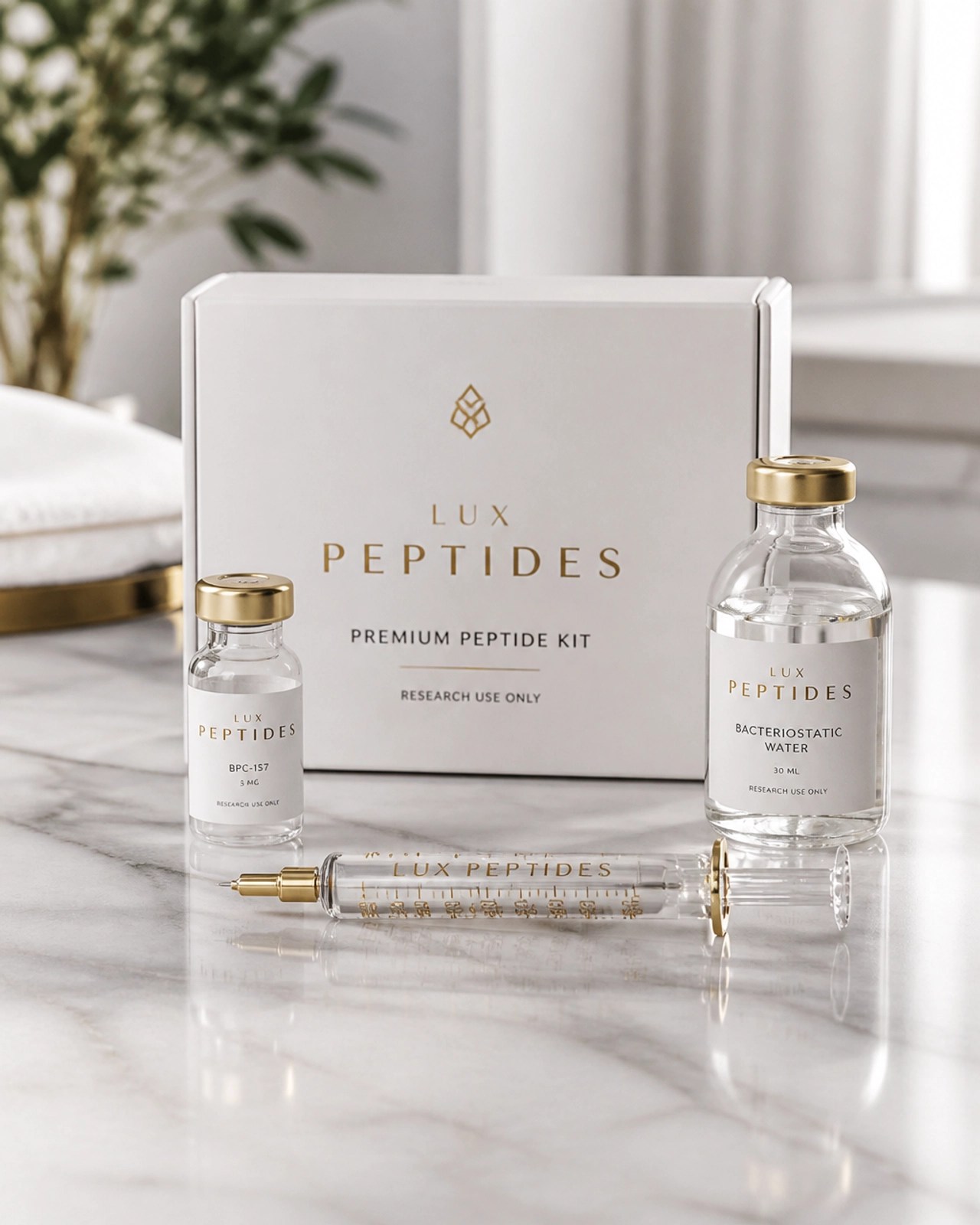
For a full breakdown of the necessary supplies, check out our Peptide Kits which include everything you need for a clean, clinical setup.
Join the Inner Circle
At WeightLossChems, we aren't just a storefront; we are a community of dedicated biohackers and researchers. We believe in providing the tools to Revolutionize your health journey.
If you want to stay ahead of the curve, make sure you’re part of our VIP Club. Our VIPs get first access to Exclusive drops and deep dives into the latest peptide science. Plus, if you ever run into a technical hurdle or need a quick answer about a product, our WLC Assistant chatbot is available 24/7 on the homepage to help you navigate your research needs.
Final Thoughts
The science of arousal is complex, but with compounds like PT-141, we are finally able to target the root cause of low drive: the brain. By focusing on the MC3R and MC4R pathways, we can Unlock a level of C.N.S. engagement that was previously unreachable.
Stay sharp, stay researched, and I'll see you in the next one.
Cheers,
Matt
Lead Copywriter & Peptide Enthusiast
WeightLossChems.com


 Peptide Supplements & Research Peptides for Better Longevity
 Scientific Fitness & Laboratory Equipment by WL Australia
 Immune and life extension
 Bioregulators
 Brain
Brain Skin & Hair
 Immune and Life Extension Peptides for Anxiety Support

