

Tesofensine and the ‘Food Noise’ Solution: A Deep Dive into Satiety Research

Hi Mate, Matt here.
If you’ve been keeping up with the latest ripples in the metabolic health community, you’ve probably heard a term popping up more than ever: "food noise." It’s that relentless, internal chatter: the intrusive thoughts about what you’re going to eat next, even when you’ve just finished a meal. For researchers and biohackers alike, "quieting" this noise is the Holy Grail of weight management.
Enter Tesofensine. This isn't just another compound; it’s a triple monoamine reuptake inhibitor (SNDRI) that’s currently being explored for its potent ability to reshape how the brain perceives reward, satiety, and the drive to consume. Today, we’re going to go deep into the neurology of Tesofensine, examining how it targets the brain's reward centers to potentially offer a definitive solution to the food noise epidemic.
The Triple-Threat Mechanism: What is Tesofensine?
At its core, Tesofensine is a highly sophisticated research compound. While some metabolic tools focus on the gut or insulin sensitivity (much like our friends Ret and Tirz), Tesofensine goes straight to the source: the Central Nervous System (CNS).
As an SNDRI, it blocks the reuptake of three critical neurotransmitters: Serotonin, Norepinephrine, and Dopamine. By preventing these chemicals from being reabsorbed, Tesofensine effectively "amplifies" their presence in the synaptic cleft, prolonging their signals and fundamentally altering the metabolic and hedonic state of the brain.
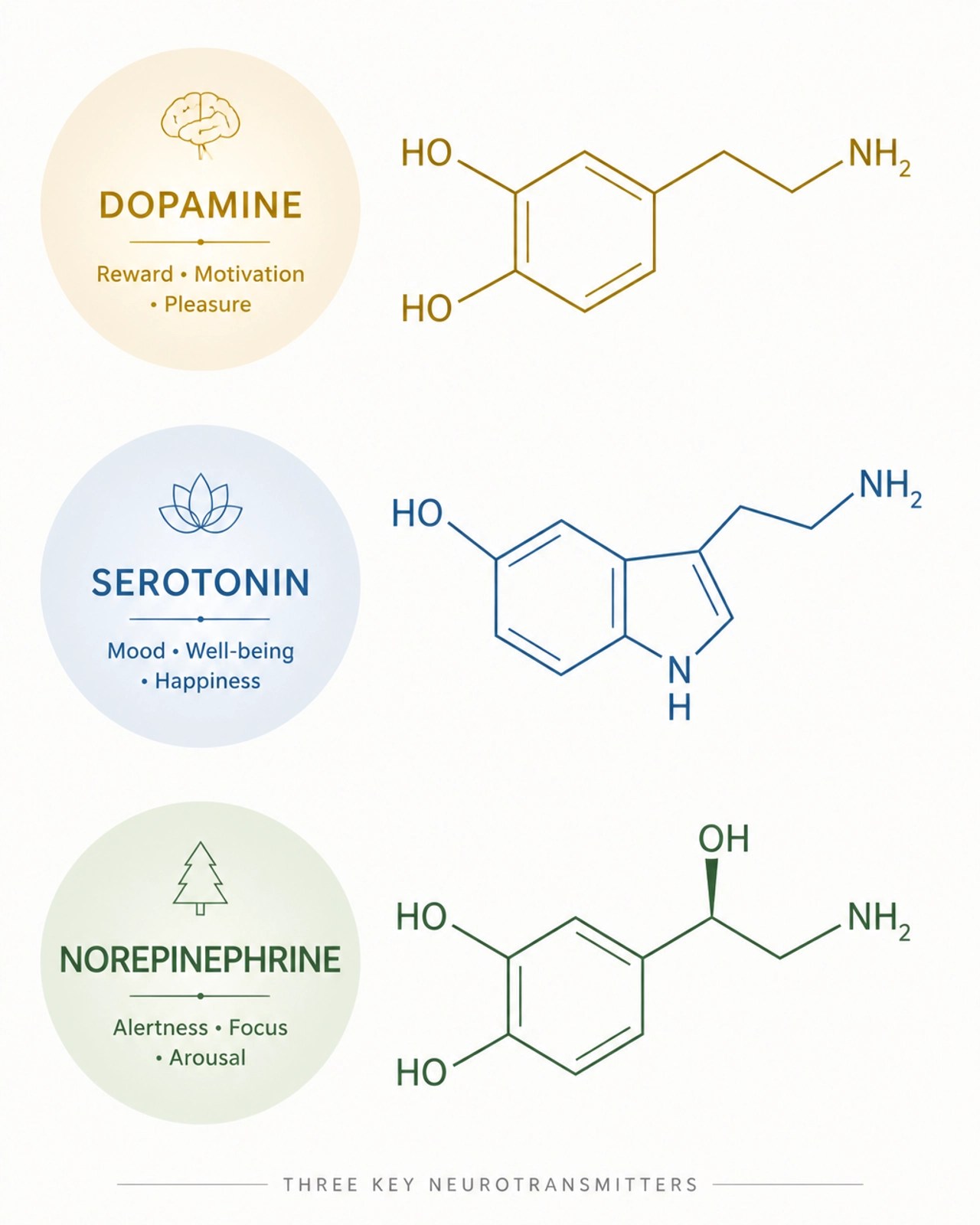
1. Serotonin (The Satiety Signal)
Serotonin is the classic "feel-good" chemical, but in the context of feeding, it’s the primary signal for meal termination. By blocking the Serotonin Transporter (SERT), Tesofensine increases serotonergic activity in the hypothalamus. The result? A research subject feels "fuller" faster and stays satisfied longer after a meal.
2. Norepinephrine (The Metabolic Spark)
By inhibiting the Norepinephrine Transporter (NET), Tesofensine boosts adrenergic tone. This doesn’t just help suppress appetite; it also has a thermogenic effect. Research indicates that increased norepinephrine can elevate resting energy expenditure, making the body a more efficient machine even at a standstill.
3. Dopamine (The Reward Regulator)
This is where the magic happens regarding "food noise." By blocking the Dopamine Transporter (DAT), Tesofensine increases synaptic dopamine in the brain’s reward pathways. While many associate dopamine with "pleasure," its role in obesity research is more about normalizing a dysfunctional reward system.
Silencing the Reward Center: Ending the 'Food Noise'
For many struggling with metabolic plateaus, the issue isn't just hunger: it’s the reward-driven pull of food. In a healthy state, dopamine spikes when we eat something calorie-dense. However, in states of chronic overnutrition or metabolic dysfunction, the brain's dopamine receptors can become desensitized. This leads to a frantic search for more food to achieve the same reward: the essence of food noise.
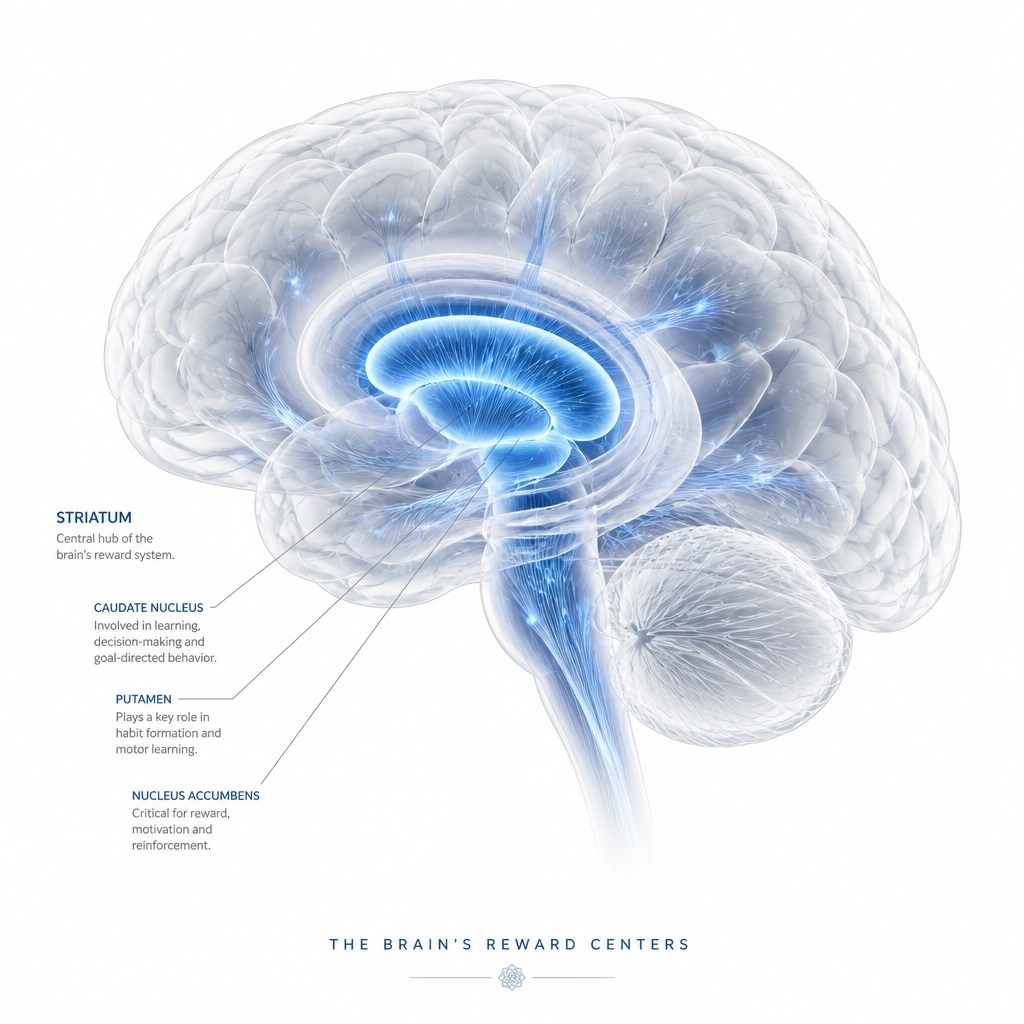
Tesofensine's ability to reach ~80% DAT occupancy at optimal research dosages means it can effectively "fill the tank" of the dopamine system. When the mesolimbic reward system (the pathway from the ventral tegmental area to the nucleus accumbens) is sufficiently stimulated by circulating dopamine, the desperate, intrusive cravings for high-palatability foods begin to fade into the background.
Essentially, Tesofensine doesn't just stop you from being hungry; it helps the brain realize it doesn't need the dopamine hit from the next snack. It’s the difference between willpower (fighting the noise) and peace (silencing the noise).
Hypothalamic Control and the LH Circuit
Beyond the reward centers, Tesofensine performs some high-level "re-wiring" in the Lateral Hypothalamus (LH): the brain's feeding command center.
Recent 2024 studies have utilized optogenetics to show that Tesofensine specifically silences a subset of LH neurons known as GABAergic Vgat+ neurons. These are the "feeding neurons." When these neurons are active, the drive to eat is nearly impossible to ignore. By dampening the activity of these specific ensembles, Tesofensine acts as a neurological "off-switch" for the primary feeding drive.
This dual action: stimulating the satiety signals while silencing the feeding signals: makes it one of the most powerful investigational tools in modern metabolic science.

Transformative Research: Clinical Insights
The clinical data surrounding Tesofensine is nothing short of revolutionary. In Phase II trials, subjects using Tesofensine showed weight loss results that significantly outperformed traditional anorectics.
But the weight loss is almost a side effect of the primary goal: metabolic re-regulation. Researchers have noted:
- Dose-Dependent DAT Blockade: Showing a clear, scientific path to craving suppression.
- Improved Metabolic Profile: Reductions in waist circumference and body fat percentage that suggest a direct impact on adipose tissue via catecholaminergic activation.
- Normalizing Dopamine: Reversing the low forebrain dopamine levels typically seen in diet-induced obesity.
For those of us in the research community, these findings validate the "central" approach to weight management. While GLP-1 agonists (like Ret and Tirz) do an incredible job of managing blood sugar and gastric emptying, adding a tool like Tesofensine that addresses the brain's relationship with food creates a truly holistic research protocol.
Navigating the Research: Tools of the Trade
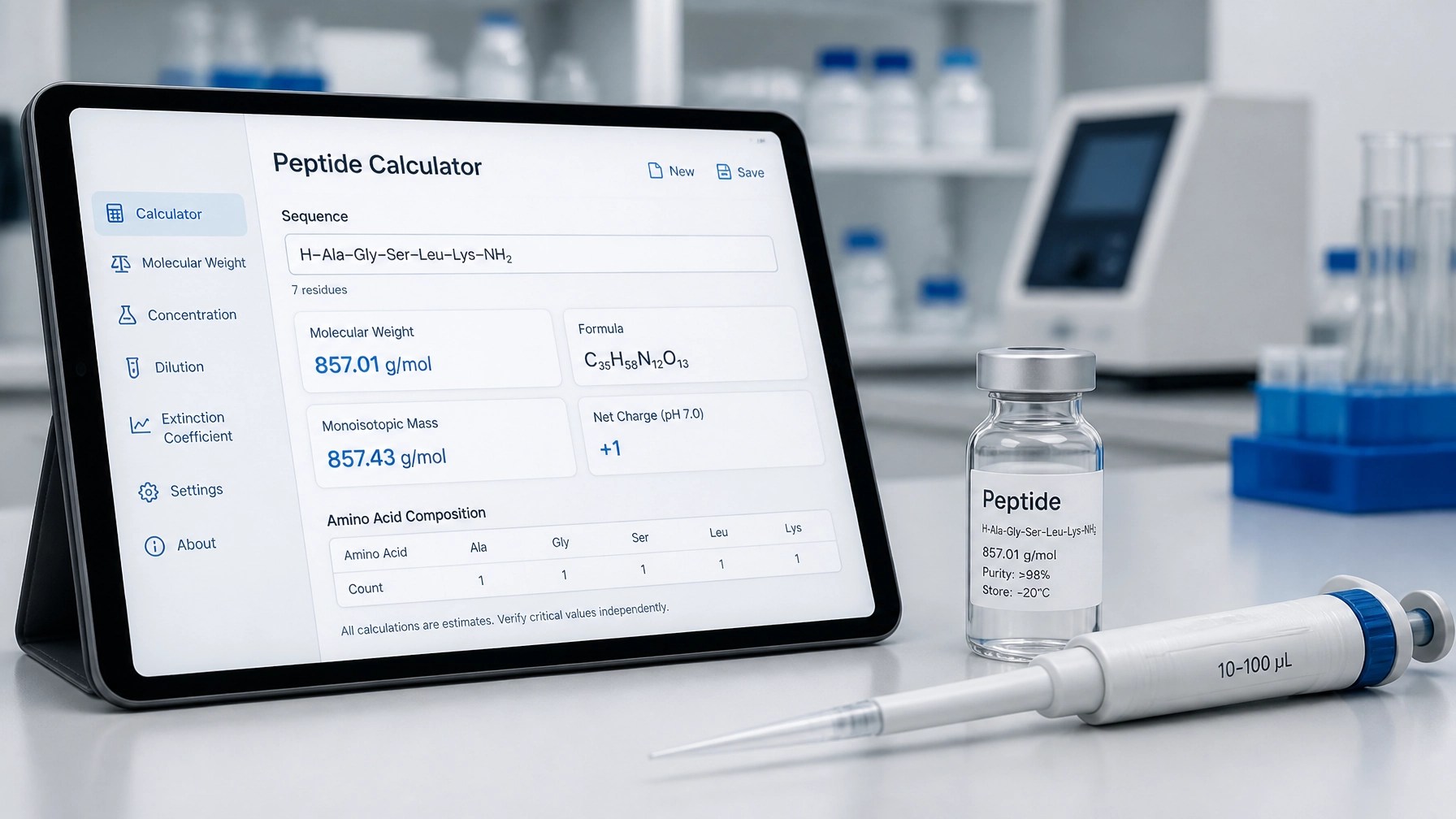
If you're looking to explore these pathways, precision is everything. Research compounds require exactness, which is why we developed the WLC Peptide Calculator. Whether you’re working with 5mg, 10mg, or the higher-strength 30mg bundles, ensuring your reconstitution and dosing are spot-on is the first step toward high-quality data.
At WeightLossChems, we don't just provide the compounds; we provide the infrastructure for your success. From our VIP Club (where we drop exclusive research insights) to our highly responsive WLC Assistant chatbot, we’re here to help you navigate the complexities of metabolic research.
The Bottom Line
Tesofensine represents a paradigm shift. It moves the conversation away from "eat less, move more" and toward "optimize the brain, transform the body." By targeting the triple monoamine pathway, it provides a high-tech solution to the biological problem of food noise.
Unlock the potential of your metabolic research today. Explore our full range of metabolic powerhouses, including the triple agonist Ret, and don't forget to join our community for the latest drops and research breakthroughs.
Stay sharp, stay focused.
: Matt
Frequently Asked Questions
What exactly is "Food Noise"?
Food noise refers to persistent, intrusive thoughts about food and the constant urge to eat, even when not physically hungry. It is often linked to overactive reward centers in the brain.
How does Tesofensine differ from Retatrutide?
While Retatrutide (Ret) is a triple agonist targeting the GLP-1, GIP, and Glucagon receptors (hormonal/gut-based), Tesofensine is an SNDRI that acts directly on the neurotransmitters (Dopamine, Serotonin, Norepinephrine) within the Central Nervous System.
What is the "Triple Agonist" effect?
In the context of Tesofensine, it refers to the inhibition of the reuptake of three major monoamines. This creates a synergistic effect that boosts satiety, increases energy expenditure, and suppresses cravings simultaneously.
Where can I find dosing guidance?
We highly recommend using our Peptide Calculator to ensure absolute precision in your research environment.


 Peptide Supplements & Research Peptides for Better Longevity
 Scientific Fitness & Laboratory Equipment by WL Australia
 Immune and life extension
 Bioregulators
 Brain
Brain Skin & Hair
 Immune and Life Extension Peptides for Anxiety Support

