

TA1 Protocols: Understanding Dosing and Bioavailability for Immune Support

Hi Mate! If you’ve been deep-diving into the world of "scientific luxury" and high-performance longevity, you’ve likely crossed paths with a peptide that’s being hailed as the ultimate guardian of the human fortress: TA1 (Thymosin Alpha 1).
In the research community, we aren't just looking for "supplements": we are looking for transformative, high-tech solutions to biological optimization. TA1 is precisely that. It is a synthetic version of a naturally occurring peptide produced by your thymus gland, and it’s the master conductor of your immune orchestra. But, like any precision tool, you have to know how to handle it.
Today, we’re breaking down the TA1 protocols, why subcutaneous (SC) administration is the only way to fly, and how to dial in your bioavailability for maximum research impact.
What is TA1? The 28-Amino Acid Powerhouse
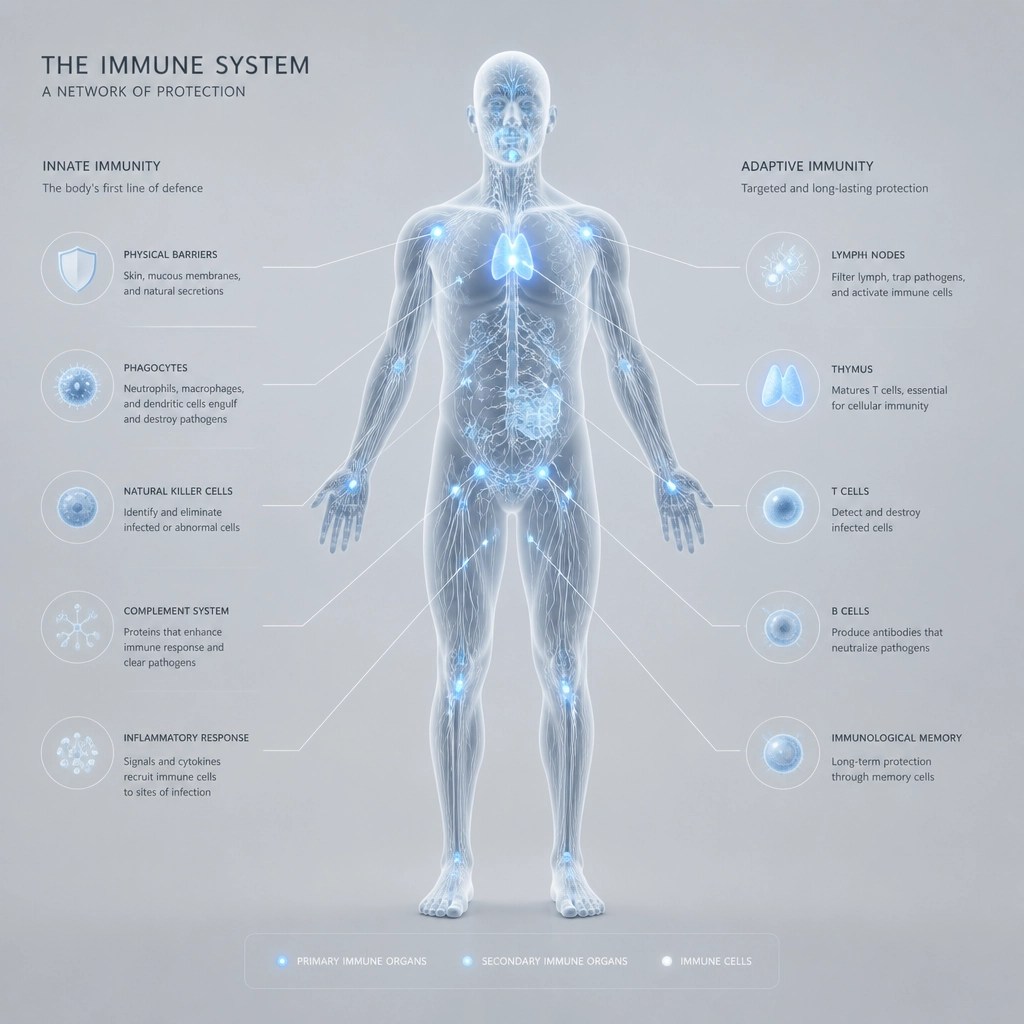
Before we get into the "how-to," let’s talk about the "what." TA1 is a 28-amino acid peptide that plays a critical role in the maturation and activation of T-cells. Think of your T-cells as the elite special forces of your immune system. Without TA1 signaling, they’re just sitting in the barracks; with it, they are mobilized, sharp, and ready to combat cellular threats.
In the clinical world, this peptide is often referenced alongside its pharmaceutical cousin, Zadaxin®. It has been researched extensively for its ability to modulate the immune response: not just "boosting" it, but balancing it. This makes it a primary interest for those exploring metabolic resilience and longevity.
Bioavailability: Why the Gut is a No-Go Zone
Here is the cold, hard truth about peptides: they are fragile. If you’re looking to Unlock the full potential of TA1, you need to understand the concept of bioavailability: the amount of the substance that actually reaches systemic circulation.
The Problem with Oral TA1
Many people ask if they can just take a TA1 pill or a liquid drop under the tongue. While "sublingual" (under the tongue) is a step up from swallowing, neither compares to the gold standard. When you swallow a 28-amino acid chain like TA1, your stomach acid and digestive enzymes treat it like a very expensive piece of steak. They break it down into basic amino acids before it ever hits your bloodstream. Bioavailability via the "swallow" method is essentially negligible.
The Subcutaneous Advantage
Research consistently shows that Subcutaneous (SC) administration: injecting just under the skin: offers approximately 70% systemic bioavailability. This bypasses the digestive tract entirely, allowing the peptide to enter the bloodstream via the fatty tissue.
- Tmax: Peak plasma levels are typically reached within 2 to 4 hours.
- Half-Life: TA1 has a short half-life of about 2 to 3 hours, but its biological effects on the immune system can last much longer, which is why dosing isn't required every few hours.
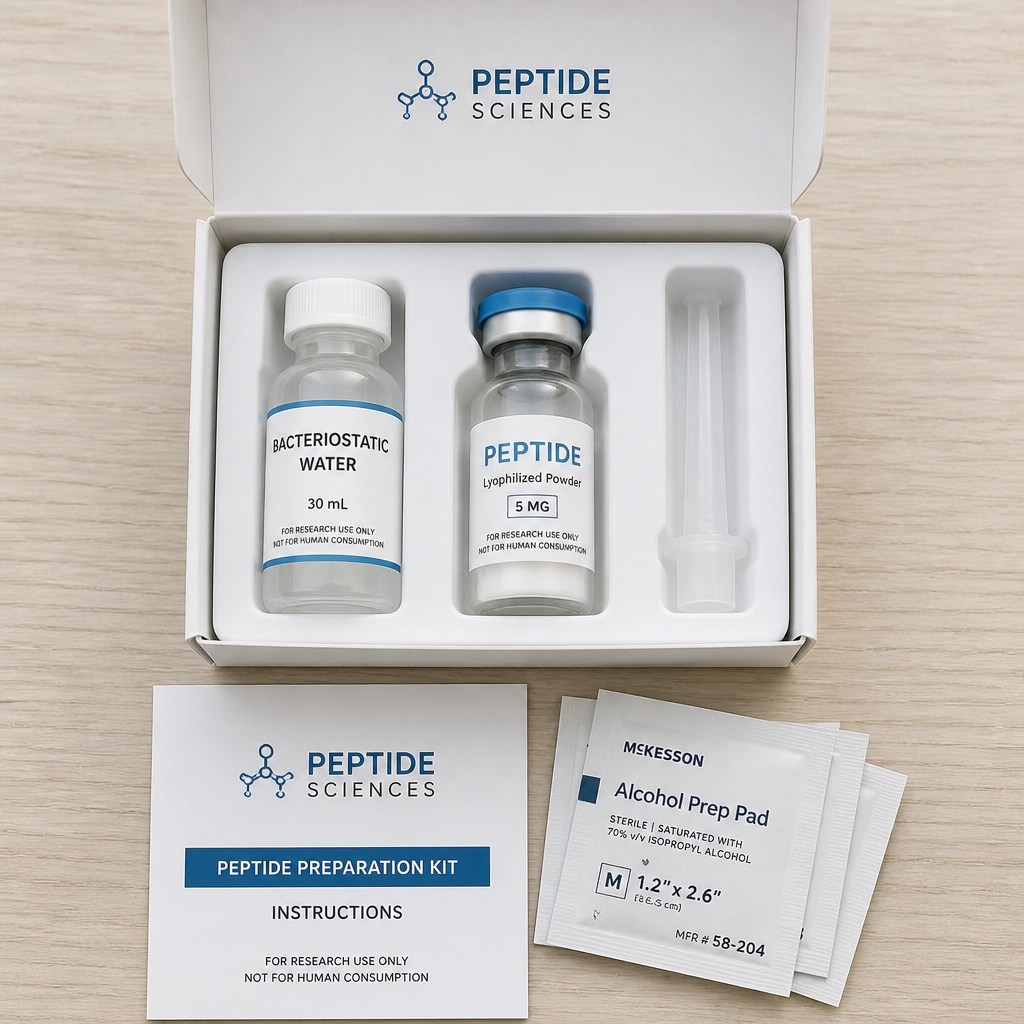
For those serious about their research, precision is everything. That’s why we always recommend pairing your TA1 with a high-quality Peptide Kit and utilizing Bacteriostatic Water for safe, effective reconstitution.
Common Research Dosing Schedules
When it comes to TA1 protocols, "one size fits all" is a myth. Depending on the research goal: whether it's general wellness or intensive immune support: the frequency and dosage shift.
Note: All dosages mentioned are based on common research literature and are not medical advice.
1. The Wellness & Longevity Cycle
This is the most common protocol for those looking to maintain peak metabolic function and "Scientific Luxury" in their health routine.
- Dose: 0.8 mg to 1.6 mg.
- Frequency: Twice weekly (e.g., Monday and Thursday).
- Duration: Often conducted in 4 to 12-week "cycles" followed by a break.
2. The Immune Resilience Protocol
For those investigating more robust immune modulation or recovering from specific physiological stressors.
- Dose: 1.6 mg.
- Frequency: Two to three times weekly.
- Duration: 6 to 12 months in some clinical settings (like Hepatitis research).
3. Acute Support (The "Quick Strike")
In some high-intensity research scenarios, such as acute sepsis studies, doses are significantly higher and administered daily. However, for most home-based research, the twice-weekly 1.6 mg dose remains the gold standard.
Precision Tools: The Peptide Calculator
Dosing can be tricky, especially when you are reconstituting a lyophilized (freeze-dried) powder. If you have a 5mg vial of TA1 and you want a 1.6mg dose, how many "units" do you pull on your syringe?
Stop the guessing game. We’ve built a Peptide Calculator designed specifically to handle these technical hurdles. Just input your vial size, the amount of Bac Water you added, and your target dose. It’s a utilitarian tool that ensures your research remains clinical and precise.

The WeightLossChems Difference
At WeightLossChems, we don’t just sell research chemicals; we provide the building blocks for a revolutionized lifestyle. Our TA1 is sourced with the highest quality standards, ensuring that your research yields the most accurate data possible.
Whether you are looking to Combat the signs of aging, Transform your metabolic pathways, or simply Revolutionize your approach to immune health, TA1 is a cornerstone of any sophisticated peptide stack.
Essential Supplies for Your Protocol:
- Reconstitution: You’ll need high-grade Bac Water.
- Precision: Use our Peptide Calculator for every vial.
- Organization: Check out our VIP Club for exclusive drops and the latest in metabolic research compounds.
Final Thoughts: Unlock Your Resilience
TA1 is more than just a peptide; it’s a biological "master key." By understanding the importance of subcutaneous administration and following established research protocols, you can ensure that your study of this 28-amino acid powerhouse is both safe and effective.
Stay clinical, stay precise, and keep pushing the boundaries of what’s possible for your health.
Cheers,
Matt


 Peptide Supplements & Research Peptides for Better Longevity
 Scientific Fitness & Laboratory Equipment by WL Australia
 Immune and life extension
 Bioregulators
 Brain
Brain Skin & Hair
 Immune and Life Extension Peptides for Anxiety Support

