

Humanin G (HNG) Research Guide: Potent Neuroprotection and Longevity

Hi Mate, Matt here from WLA.
When we talk about the frontier of longevity research, we often focus on the "big players": the ones that get all the headlines. But in the deep-tech world of mitochondrial science, there is a hidden gem that is quietly revolutionizing how researchers approach neurodegeneration and metabolic decline.
I’m talking about Humanin G (HNG).
If you’ve been following the mitochondrial-derived peptide (MDP) space, you know that native Humanin was the first of its kind discovered. But while native Humanin is impressive, HNG is the high-octane, "scientific luxury" version. By making a single, precise molecular tweak (the S14G substitution), scientists have unlocked a variant that is up to 1,000 times more potent than the original.
Whether you are looking to research neuroprotective shields against cognitive decline or explore new pathways in metabolic function, HNG is the powerhouse you need to know about. Let’s dive into the technicalities of why this peptide is a game-changer for the future of healthspan.
The Science of Potency: What is Humanin G?
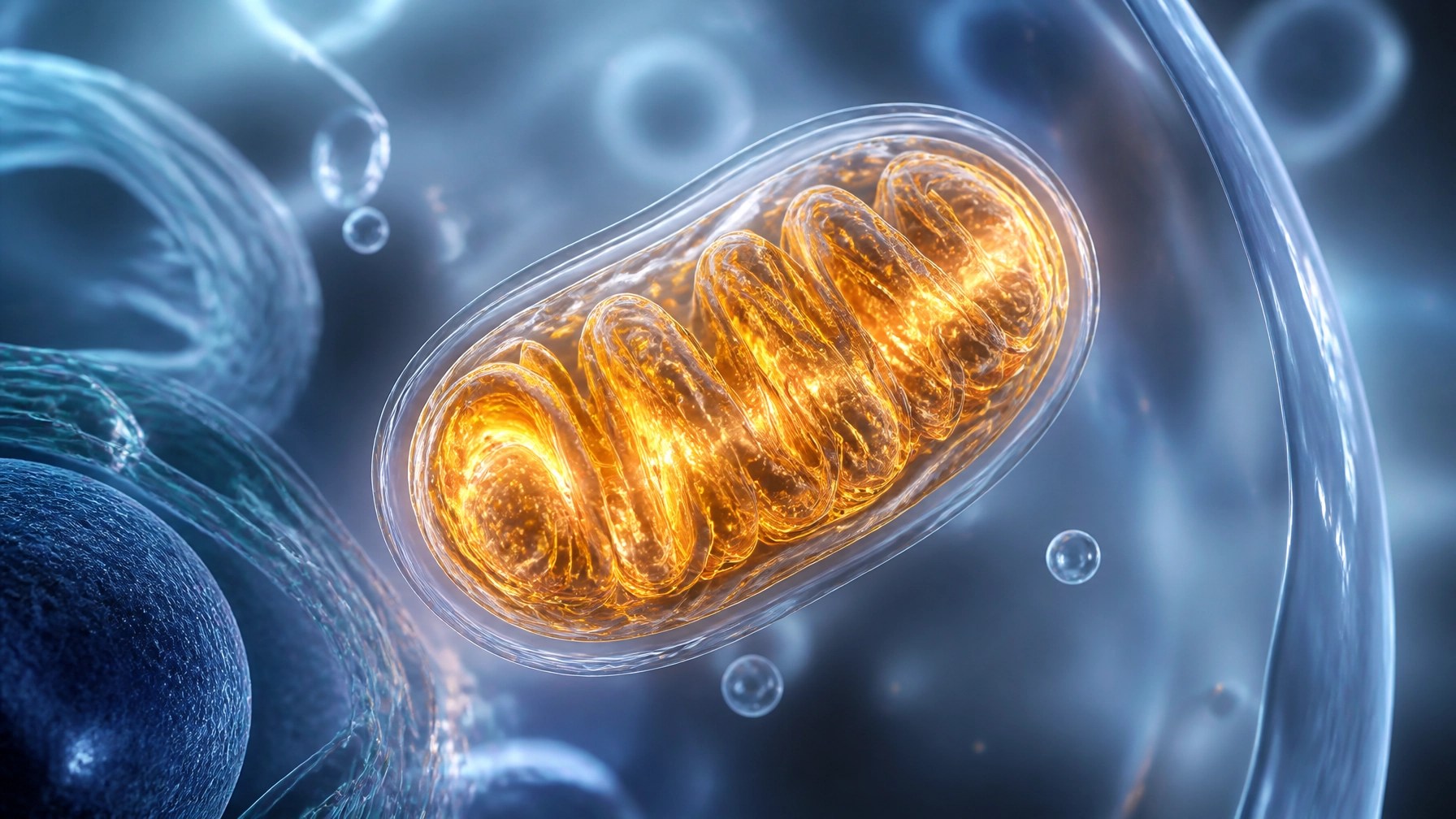
At its core, Humanin G is a synthetic analog of Humanin, a 24-amino-acid peptide encoded within the mitochondrial genome. While mitochondria are famous for being the "powerhouse of the cell," they also act as a sophisticated signaling hub. They release MDPs like Humanin to tell the rest of the body how to handle stress and stay alive.
The "G" in HNG stands for Glycine. In this specific analog, the Serine at position 14 is replaced with Glycine (S14G). This might seem like a small change, but in the world of biochemistry, it’s a total transformation.
Technical Classification:
- Molecular Type: Mitochondrial-Derived Peptide (MDP)
- Sequence: MAPRGFSCLLLLTGEIDLPVKRRA
- Key Modification: S14G (Serine to Glycine substitution at residue 14)
- Primary Function: Cytoprotection, anti-apoptotic signaling, and metabolic regulation.
This modification enhances the peptide's interaction with the heterotrimeric receptor complex (gp130/WSX-1/CNTFR), allowing it to trigger cellular survival pathways with significantly higher efficiency. It’s essentially a "turbocharged" signal for cellular resilience.
Shielding the Brain: Neuroprotection in Alzheimer’s Research
One of the most exciting research applications for HNG is in the field of neurodegeneration. In models of Alzheimer’s Disease, HNG has demonstrated a remarkable ability to act as a neuroprotective shield.
The biological need is clear: as we age, neurons become increasingly vulnerable to toxic proteins like Amyloid-beta (Aβ). This leads to neuroinflammation and, eventually, cell death. HNG presents a high-tech solution by intervening in the apoptotic (cell death) pathway.
How HNG Revolutionizes Brain Research:
- Amyloid-Beta Neutralization: Research suggests HNG can inhibit the toxicity of Aβ plaques, preventing the programmed cell death of neurons.
- Bax Inhibition: It blocks the activation of Bax, a protein that triggers the "self-destruct" sequence in cells.
- Mitochondrial Stability: By maintaining the mitochondrial membrane potential, HNG ensures that neurons have the energy they need to repair and function, even under stress.
In preclinical rodent models, chronic administration of HNG has been shown to improve spatial learning and memory while significantly reducing neuroinflammatory markers. For those researching cognitive longevity, stacking HNG with P21 (10mg) can provide a comprehensive approach to neuronal health and synaptic plasticity.

Transforming Metabolism: Insulin Sensitivity and Glucose Management
While HNG is a star in the neuro department, its metabolic profile is equally impressive. In a world where metabolic health is the foundation of longevity, HNG offers a unique pathway for research.
It’s well-known that mitochondrial dysfunction is a hallmark of Type 2 Diabetes and metabolic syndrome. HNG helps Unlock better metabolic pathways by acting as a potent regulator of insulin metabolism.
Metabolic Physical Contents & Functions:
- Enhanced Insulin Sensitivity: Studies in diabetic models have shown that HNG can markedly improve the body’s response to insulin, leading to better glucose clearance.
- Glucose-Stimulated Insulin Secretion (GSIS): Specialized analogs like HNGF6A (a derivative of HNG) have been shown to increase GSIS, making it a primary candidate for research into diabetes management.
- Metabolic Adaptation: HNG supports the body’s natural adaptation to metabolic stress, essentially mimicking some of the beneficial effects of exercise at a cellular level.
For researchers focused on weight management and metabolic optimization, HNG provides a fascinating counterpoint or adjunct to more famous metabolic agonists. You can explore our full range of metabolic research tools in the Weight Loss Category.
Longevity and Cardiovascular Support
The "Scientific Luxury" of HNG extends to the heart. Cardiovascular health is often a game of managing oxidative stress and preventing fibrosis. Humanin levels naturally decline as we age, leaving the heart more exposed to injury.
Research into HNG has shown that it can Combat age-related cardiac decline. In elderly mouse models, exogenous HNG treatment attenuated myocardial fibrosis and protected heart tissue from ischemia-reperfusion injury (the damage caused when blood flow returns to tissue after a period of lack of oxygen).
Key Longevity Benefits:
- Cardioprotection: Reduces apoptosis in heart cells during stress.
- Systemic Anti-Inflammatory: Lowers inflammatory markers associated with "inflammaging."
- Cellular Survival: Acts as a broad-spectrum cytoprotectant across multiple organ systems.
If your research involves cardiovascular bioregulation, consider how HNG might synergize with specialized bioregulators like Cardiogen (20mg) to support heart tissue integrity.
Research Protocols & Navigation
When working with HNG in a laboratory setting, precision is paramount. This is a highly potent research chemical, and dosing calculations must be exact to ensure reproducible results.
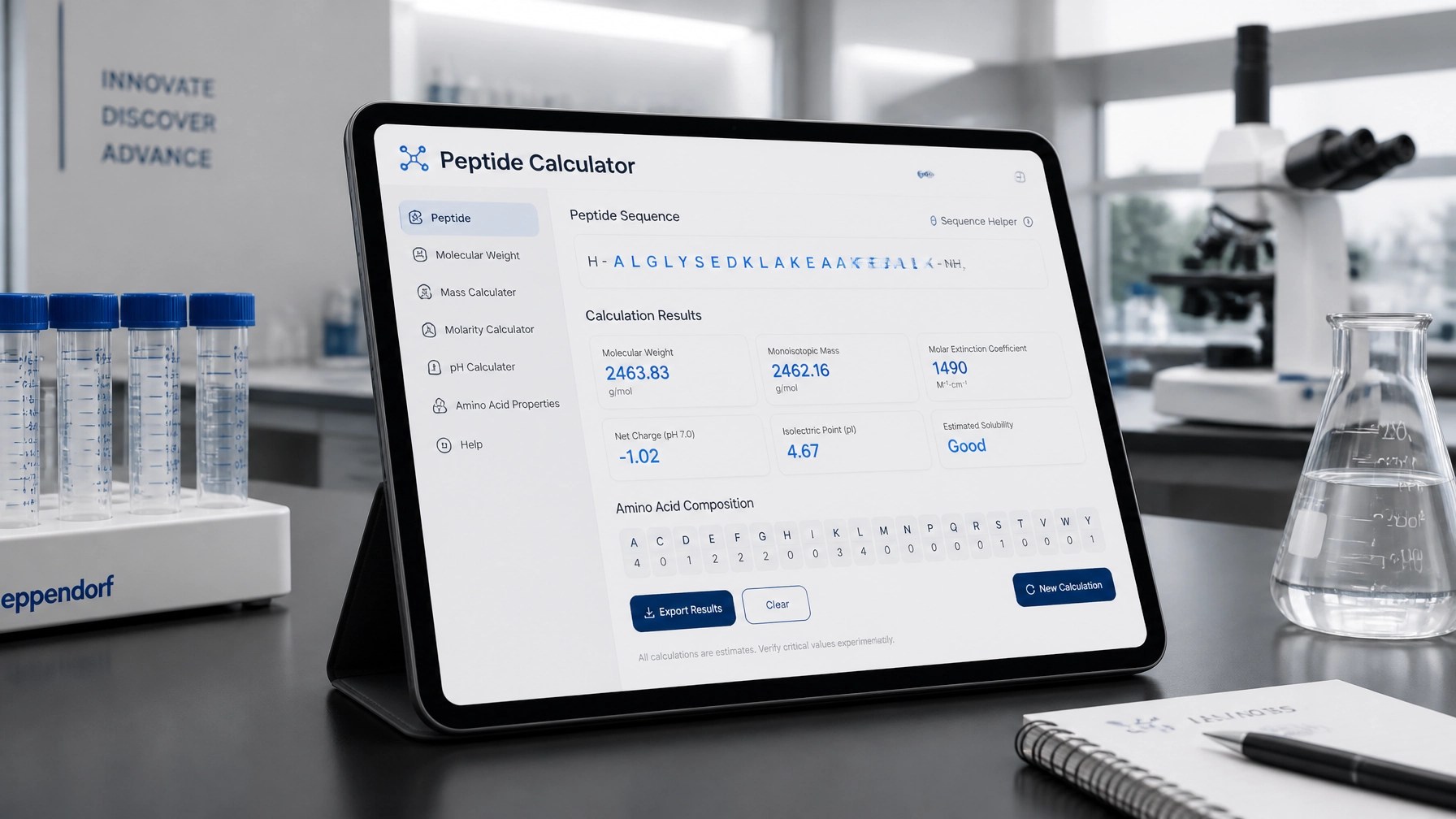
We recommend utilizing our Peptide Calculator Tool to determine the precise concentrations needed for your specific research protocols. Whether you are conducting in vitro assays or in vivo studies, starting with the correct math is the first step toward a breakthrough.
Why Research with WLA?
At WLA (Weight Loss Australia), we understand that high-level research requires high-level materials. We don't just provide peptides; we provide the tools for transformation.
- Compliance-Focused Quality: We ensure our research chemicals meet the highest standards for purity and stability.
- Technical Support: Our WLA Assistant chatbot is available to help you navigate our catalog and find the exact tools you need.
- Exclusive Community: Join our VIP Club for exclusive drops and access to the latest research peptides before they hit the mainstream market.
Final Thoughts: The Future of Mitochondrial Research
Humanin G (HNG) represents the pinnacle of mitochondrial-derived peptide research. By taking a natural survival signal and amplifying its power a thousand-fold, scientists have created one of the most potent tools for neuroprotection and metabolic health currently available for study.
As we continue to unravel the mysteries of the mitochondrial genome, HNG will undoubtedly remain at the forefront of the conversation regarding longevity and the prevention of age-related disease.
Ready to start your research? Browse our full Bioregulator Category today and take the first step toward uncovering the next breakthrough in cellular health.
Cheers,
Matt
Lead Researcher, WLA (Weight Loss Australia)


 Immune Support and Life Extension
 Khavinson Bioregulators
 Brain
Brain Skin & Hair Care Peptides
 Anxiety & Mental Health


