

VIP Research Guide: Vasoactive Intestinal Peptide and Systemic Balance

Hi Mate, Matt here from the WLA research team.
If you’ve been diving deep into the world of advanced bio-harmony, you’ve likely stumbled upon a compound that sounds more like a backstage pass than a biological regulator: Vasoactive Intestinal Peptide, or as we call it in the inner circles, V.I.P.
But don’t let the name fool you. While it was first discovered in the gut, this 28-amino-acid neuropeptide is far more than just a digestive aid. It is a master conductor of your body’s most complex symphonies, ranging from the rhythmic ticking of your internal master clock to the aggressive regulation of your immune system’s "firefighters."
At Weight Loss Australia, we are committed to providing the highest quality research materials for those looking to Unlock the secrets of metabolic function and longevity. Whether you are investigating its role in Chronic Inflammatory Response Syndrome (C.I.R.S.) or its ability to Revolutionize your understanding of circadian rhythms, this guide is your definitive resource for V.I.P. research.
The Master Clock: SCN and Circadian Orchestration
The human body doesn't just function on a whim; it operates on a strictly timed schedule governed by the Suprachiasmatic Nucleus (SCN) in the brain. Think of the SCN as the conductor of an orchestra. If the conductor loses the beat, the music becomes a chaotic mess of noise. In biological terms, this "noise" manifests as insomnia, metabolic dysfunction, and chronic fatigue.
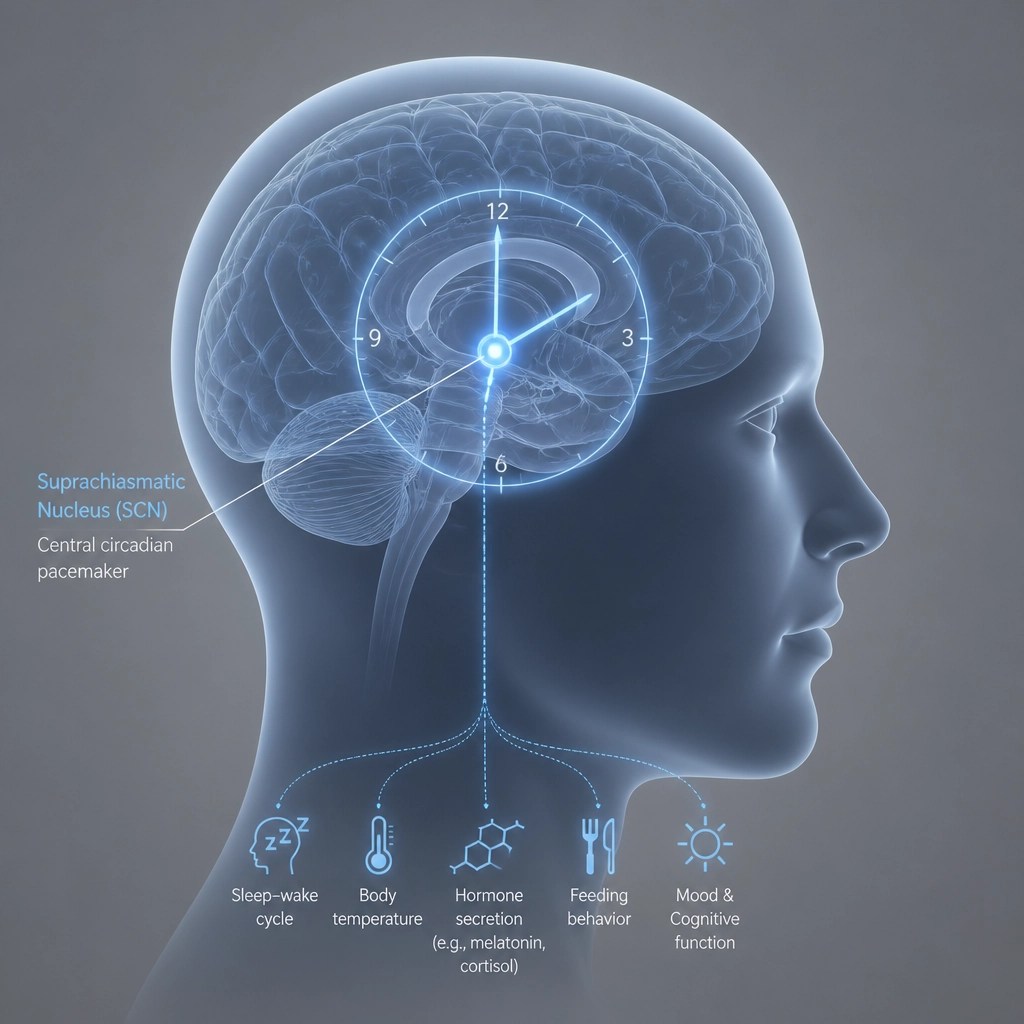
V.I.P. is the primary synchronizing neuropeptide within the SCN. Research suggests that V.I.P. neurons are responsible for coordinating the firing of clock neurons, ensuring that your central and peripheral clocks are aligned with the light-dark cycle of the planet.
When V.I.P. levels are suboptimal, the "Bio-Harmony" of the body is shattered. Animal models have shown that a deficiency in V.I.P. receptors leads to a total loss of coherent circadian rhythms. For researchers, this makes V.I.P. a "Tier-1" candidate for investigating sleep-wake regulation and systemic recovery. By utilizing V.I.P. in a research setting, you are exploring the very foundations of how the body maintains its temporal integrity.
Combatting the "Invisible Fire": V.I.P. in C.I.R.S.
One of the most transformative applications for V.I.P. research is in the field of Chronic Inflammatory Response Syndrome (C.I.R.S.), often triggered by exposure to biotoxins like mold or certain persistent infections.
In a healthy body, the immune system identifies a threat, neutralizes it, and then turns off. In C.I.R.S., the "off switch" is broken. The body remains in a state of high alert, producing a cascade of inflammatory markers that burn through your energy reserves and cloud your cognitive function. This is where V.I.P. enters the frame as a high-tech solution to biological burnout.
The Mechanism of Immune Tolerance
V.I.P. acts as a potent immune modulator. It doesn't just "boost" or "suppress" the immune system; it Transforms it. Specifically, V.I.P. research has focused on its ability to:
- Promote Regulatory T Cells (Tregs): These are the "peacekeepers" of the immune system. V.I.P. helps program dendritic cells to increase the production of Tregs, which are essential for dampening excessive inflammation.
- Reduce TGF-beta1 and C4a: These are classic markers of innate immune activation found in C.I.R.S. patients. Research protocols involving V.I.P. have shown a remarkable ability to normalize these markers, effectively "putting out the fire."
- Restore Pulmonary Function: Many researchers utilize V.I.P. for its potent vasodilatory and bronchodilatory effects. In the context of C.I.R.S., it can help improve exercise tolerance and reduce pulmonary artery systolic pressure.
For those looking to explore these pathways, check out our Immune and Life Extension Category for the latest in research-grade compounds.
The Architecture of Immunity: Tregs and Cytokine Signaling
To truly appreciate the "Scientific Luxury" of V.I.P., one must understand its interaction with the VPAC1 and VPAC2 receptors. These receptors are found throughout the brain, gut, and immune cells, making V.I.P. a truly systemic regulator.
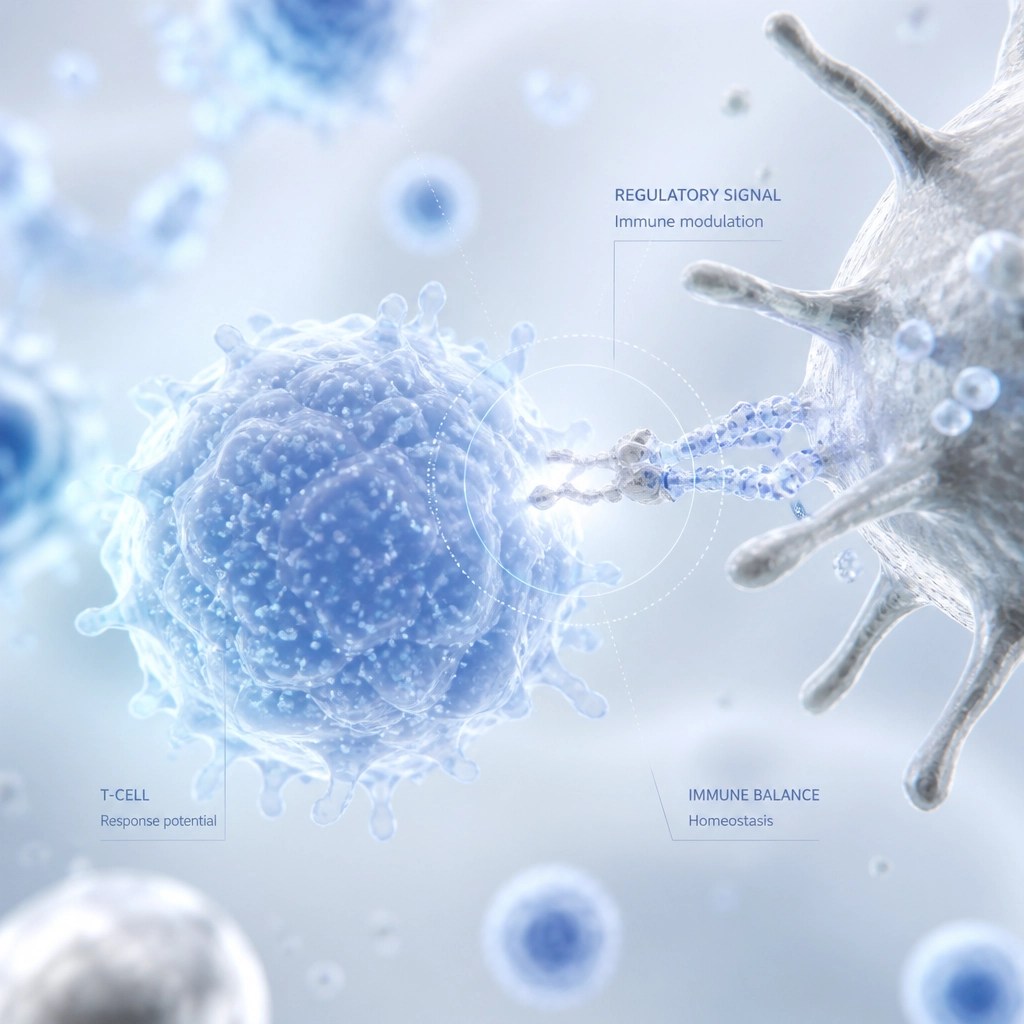
When V.I.P. binds to these receptors, it triggers a shift in macrophage phenotypes: from the pro-inflammatory M1 state to the reparative M2 state. This isn't just a minor adjustment; it’s a fundamental re-engineering of the body’s healing response. By shifting the balance toward IL-10 (an anti-inflammatory cytokine) and away from Th17 (a pro-inflammatory pathway), V.I.P. creates an environment where tissue repair and neuro-regeneration can finally occur.
This is why many researchers pairing V.I.P. with other neuro-protective agents like P21 find such fascinating results. While P21 focuses on neurogenesis, V.I.P. ensures the environment is stable enough for that new growth to thrive.
Optimizing Your Protocol: Dosing and Administration
Researching V.I.P. requires a nuanced understanding of its pharmacokinetics. It has an incredibly short half-life: approximately 1 to 2 minutes in the plasma. This means that traditional delivery methods often fall short of achieving the desired systemic impact.
Intranasal vs. Subcutaneous
In most research settings, Intranasal administration is preferred for CNS-oriented goals. This route allows the peptide to bypass the blood-brain barrier via the olfactory and trigeminal pathways, providing more direct access to the SCN and brain tissues.
However, for systemic immune modulation and "Bio-Regulating" the body’s inflammatory markers, Subcutaneous injection is often the gold standard. This provides a slower, more sustained release that can influence peripheral immune cells more effectively.
Typical Research Ranges:
- Intranasal: 50–100 mcg per dose, often administered multiple times daily.
- Subcutaneous: 50–200 mcg once daily, typically in the morning to align with natural circadian peaks.
To ensure your measurements are clinical-grade, we highly recommend using our Peptide Calculator tool to determine the exact concentrations for your specific research needs.
The WLA Difference: Why Research Grade Matters
When you are investigating complex biological pathways like the VPAC1 receptor or C.I.R.S. markers, the purity of your compound is non-negotiable. At Weight Loss Australia (WLA), we understand that "Scientific Luxury" isn't just about branding: it's about the precision of the molecule.
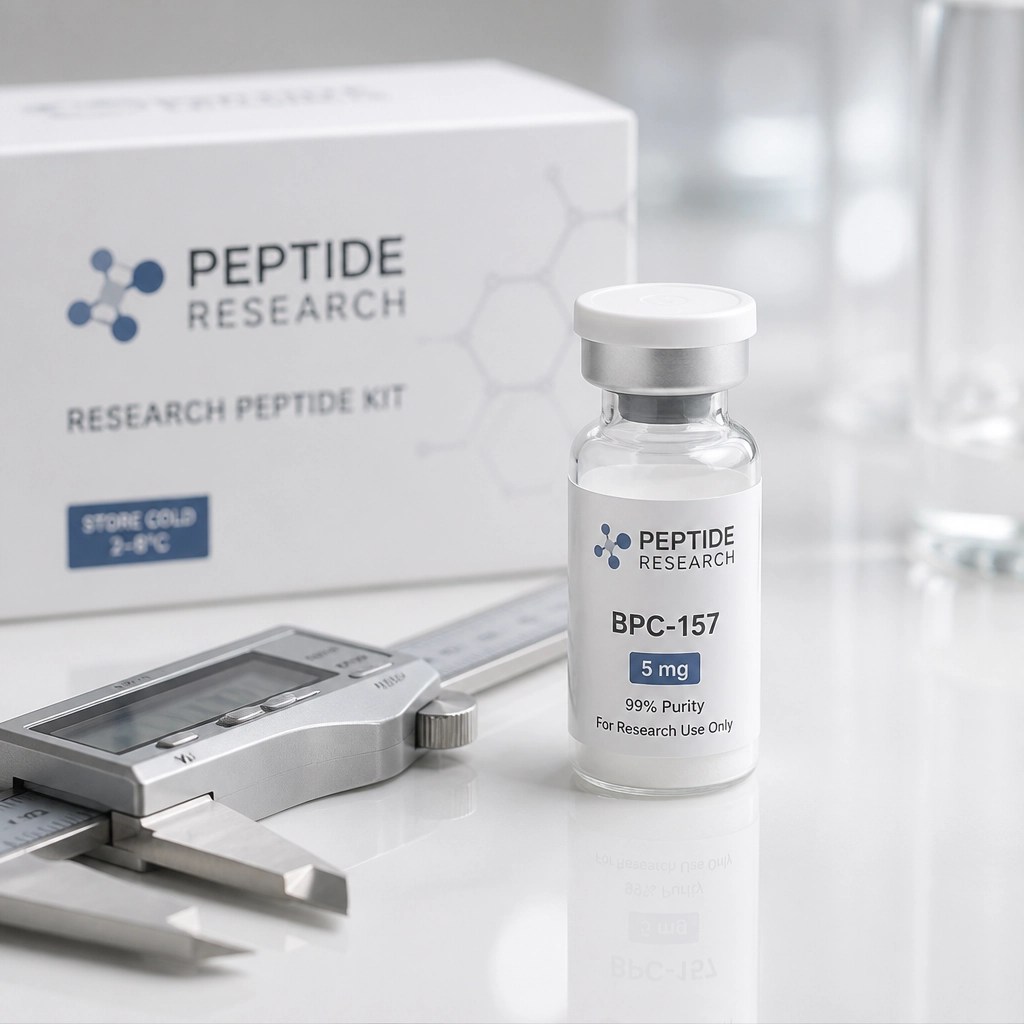
Our V.I.P. is sourced with the highest standards of quality control, ensuring that your research is built on a foundation of reliability. Whether you are a seasoned biohacker or a professional researcher, our Bioregulators category offers the tools you need to push the boundaries of what's possible in human health.
Join the VIP Club
For those dedicated to the cutting edge, our VIP Club offers exclusive drops and early access to the latest research compounds. We believe in building a community of "Friendly Experts" who are passionate about longevity and metabolic health.
Conclusion: Transforming the Future of Wellness
Vasoactive Intestinal Peptide is more than just a neuropeptide; it is a high-tech solution to the modern epidemic of inflammatory burnout and circadian misalignment. By researching V.I.P., you are participating in a movement to Revolutionize how we approach systemic balance.
From the rhythmic ticking of the SCN to the complex architecture of our immune cells, V.I.P. stands as a testament to the body’s incredible capacity for self-regulation. Are you ready to Unlock the next level of your research?
Explore our full range of metabolic and longevity compounds at wlaustralia.com.au and start your journey toward true Bio-Harmony today.
Cheers,
Matt
Lead Researcher, Weight Loss Australia (WLA)


 Immune Support and Life Extension
 Khavinson Bioregulators
 Brain
Brain Skin & Hair Care Peptides
 Anxiety & Mental Health


