

Dermorphin: Investigating Opioid Receptor Affinity in Research

Hi Mate!
Welcome back to the WLA research hub. If you’ve been following our deep dives into the world of high-performance biomolecules, you know we don't just settle for the basics. Today, we are stepping into the fascinating realm of neuro-pharmacology to explore a compound that is truly in a league of its own: Dermorphin.
Originally identified in the skin of the South American Phyllomedusa frog, Dermorphin is a natural heptapeptide that has revolutionized how scientists look at opioid receptor affinity. This isn't your run-of-the-mill analgesic research subject; we are talking about a "scientific luxury" molecule that possesses a staggering selectivity for the mu-opioid receptor (MOR).
At Weight Loss Australia, we believe that understanding the fundamental pathways of metabolic and neurological function is the key to unlocking the next generation of longevity and wellness protocols. Whether you are a dedicated biohacker or a professional researcher, understanding the high-affinity binding of Dermorphin is essential for mapping out the complex "metabolic pathways" that govern pain, reward, and even appetite.
The Heptapeptide Blueprint: Precision Engineering in Nature
Dermorphin is a masterpiece of natural peptide engineering. Its chemical structure: H-Tyr-D-Ala-Phe-Gly-Tyr-Pro-Ser-NH2: is a specific sequence that creates an almost perfect "key" for the mu-opioid receptor lock.
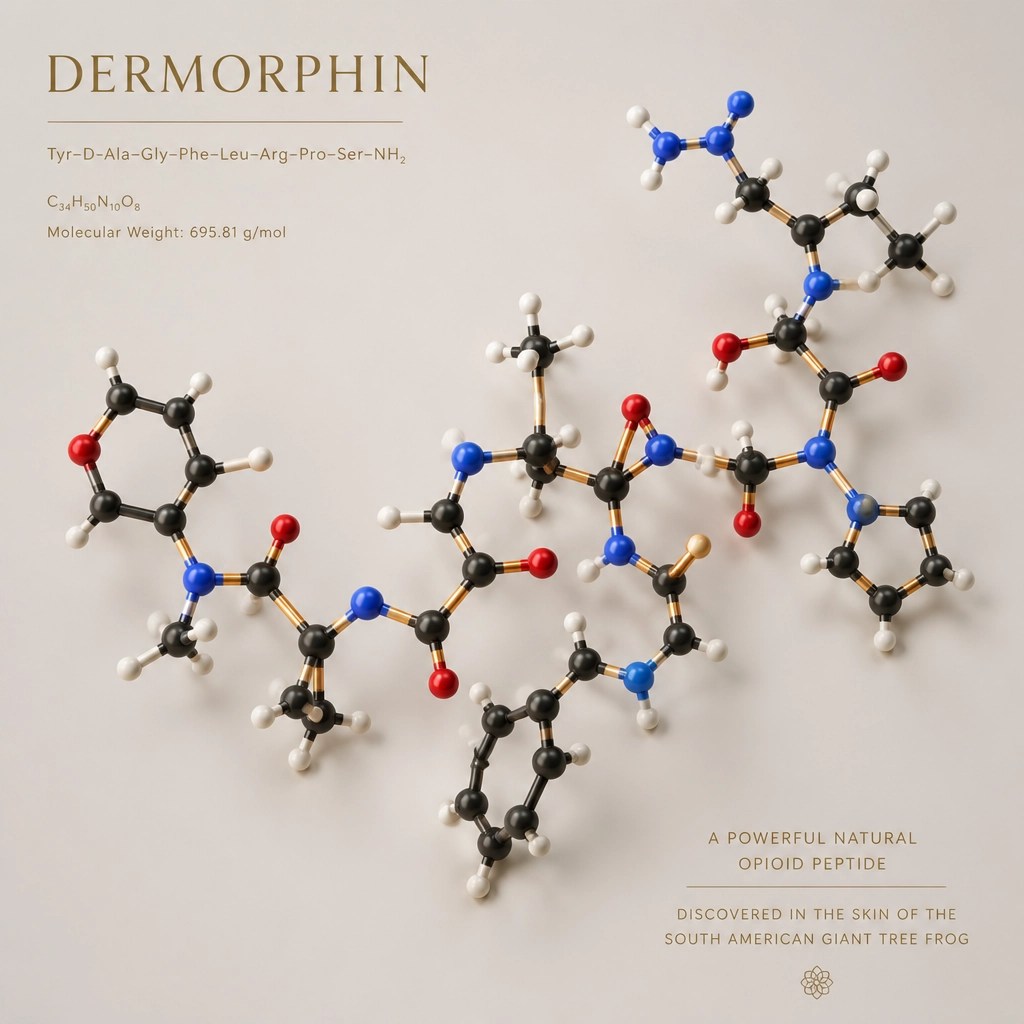
Why the Sequence Matters
In the world of res-earch pep-tides, the specific arrangement of amino acids determines everything from stability to potency. Dermorphin stands out because of the inclusion of a D-amino acid at the second position (D-Ala). This is incredibly rare in vertebrate peptides and is a major reason why this molecule is so resistant to enzymatic degradation.
- Tyr-D-Ala-Phe: This N-terminal tripeptide is often referred to as the "message" domain. It’s the part of the molecule that actually triggers the receptor.
- The Address Domain: The remaining C-terminal residues help the molecule find the right "address" in the body, ensuring it binds to the mu-receptor rather than the delta or kappa receptors.
- C-Terminal Amidation: The amidation at the end of the chain significantly boosts its affinity, making it a high-tech solution for researchers looking for stable, potent agonists.
If you’re looking to transform your understanding of how these molecules interact with biological systems, our WLA Dosing Calculator is a fantastic tool to help bridge the gap between technical data and practical research application.
Unlocking the Mu-Opioid Receptor: 100x Potency
One of the most striking features of Dermorphin is its sheer power. Res-earch has consistently shown that Dermorphin has approximately 100 times the potency of morphine when it comes to mu-opioid receptor activation.
Scientific Function & Classification
In clinical terms, Dermorphin is classified as a highly selective triple-threat in the neuro-metabolic world (though distinct from our triple agonists like Retatrutide). Its primary mechanism involves:
- Selective Agonism: It binds with subnanomolar affinity to the mu-opioid receptor while largely ignoring the delta and kappa sites.
- Increased Stability: Thanks to that D-Ala modification, it survives longer in biological environments than many other natural peptides.
- Potent Signaling: It triggers downstream signaling pathways that are crucial for studying everything from chronic pain management to the neurological triggers of metabolic syndrome.
For researchers focused on the intersection of brain health and physical performance, combining insights from Dermorphin with neuro-protective agents like P21 or other Bioregulators can provide a more holistic view of the body’s internal regulatory systems.
Research Applications: From Brain Mapping to Metabolic Science
Dermorphin isn't just about pain research; it’s a versatile probe for various "metabolic pathways." Scientists utilize this peptide to map out where mu-receptors are most dense in the brain and how they influence other physiological outcomes.
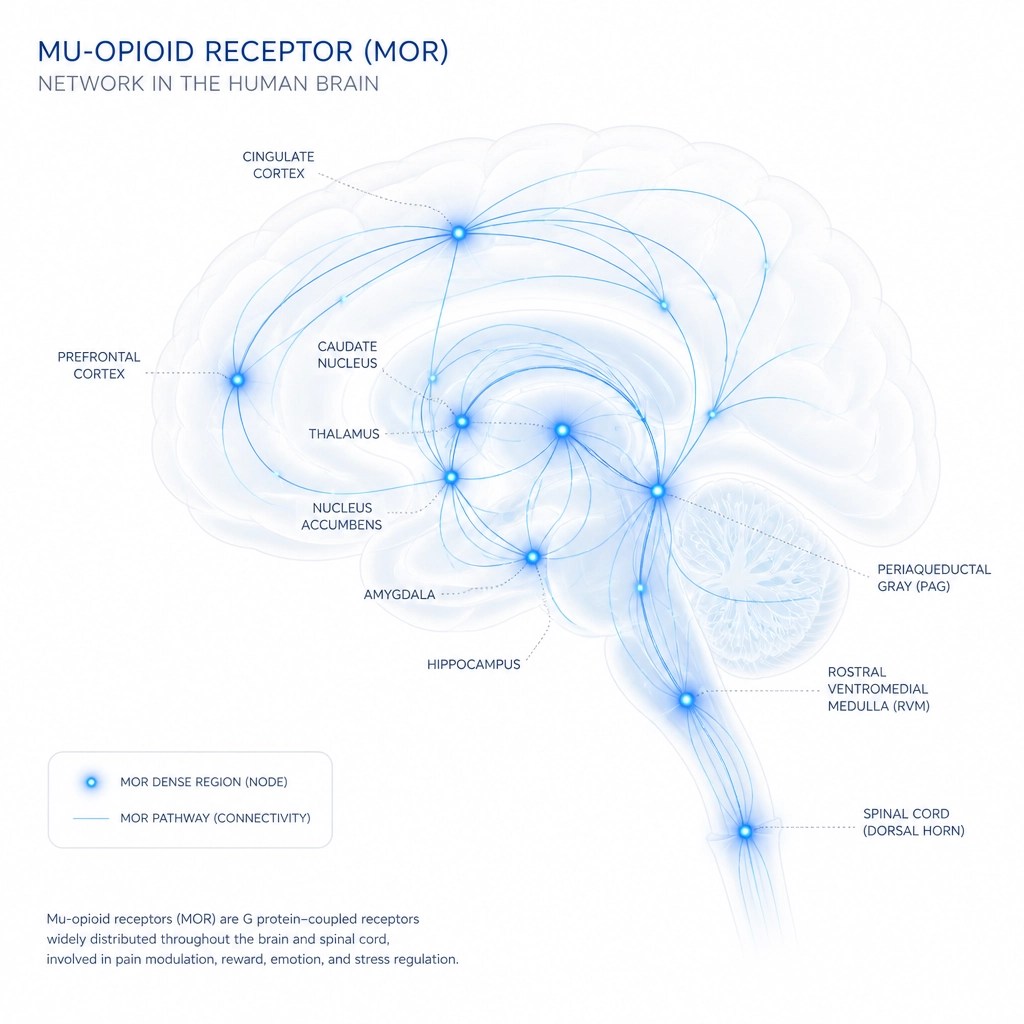
Structure-Activity Relationship (SAR) Studies
By systematically swapping out amino acids in the Dermorphin chain, researchers can identify exactly which parts of the molecule are responsible for its high affinity. This "problem-solution" framework allows for the rational design of new res-earch compounds that are even more selective and effective.
Blood-Brain Barrier (BBB) Investigations
Despite its potency, Dermorphin has limited ability to cross the blood-brain barrier on its own when administered systemically. This makes it a perfect candidate for studying delivery systems. At Weight Loss Australia, we are always interested in how delivery mechanisms (like our bundle systems) can optimize the effectiveness of research compounds.
Combating Neurological Hurdles
The use of Dermorphin as an "affinity label" allows researchers to covalently bond the peptide to the receptor. This essentially "freezes" the receptor-peptide complex in place, allowing for high-resolution imaging and structural analysis that was previously impossible. This helps us combat the mysteries of receptor desensitization and tolerance.
Exploring the WLA Exclusive Range
While Dermorphin provides incredible insights into neuro-receptor affinity, many of our researchers at WLA are also looking for practical applications in metabolic health. If you are investigating the synergistic effects of metabolic support and neurological stability, you might want to explore our:
- Ret (Retatrutide): The pinnacle of metabolic res-earch, acting as a triple agonist.
- Tirz (Tirzepatide): A powerful GLP-1 and GIP agonist for managing metabolic function.
- Muscle Growth Category: For those looking to support physical transformation through scientific innovation.
Summary of Physical Contents and Research Specs
For those keeping their laboratory logs meticulous, here is the quick-reference structure for Dermorphin res-earch:
- Classification: Heptapeptide / Mu-Opioid Agonist.
- Sequence: Tyr-D-Ala-Phe-Gly-Tyr-Pro-Ser-NH2.
- Molecular Weight: Approx 802.9 g/mol.
- Research Focus: Receptor affinity, SAR mapping, CNS signaling.
- Target: Mu-opioid receptor (MOR).
Conclusion: A High-Tech Solution for High-End Research
Dermorphin remains one of the most intriguing molecules in the peptide world. Its ability to mimic and then exceed the affinity of traditional opioids while maintaining a highly specific "address" makes it a "VIP Club" member of the res-earch chemical world.
Whether you are looking to revolutionize your current studies or simply want to stay at the cutting edge of peptide science, Weight Loss Australia is your premier partner. We provide the high-quality sourcing and technical support you need to push the boundaries of what’s possible.
Don't forget to use our WLC Assistant if you have any questions about navigating our product range or using our dosing tools. We are here to help you unlock the future of health and wellness.
Stay sharp, stay curious.
Matt
WLA Expert Contributor


 Immune Support and Life Extension
 Khavinson Bioregulators
 Brain
Brain Skin & Hair Care Peptides
 Anxiety & Mental Health


