

PNC-27 Research Guide: Selective Membrane Lysis in Cancer Research

Hi Mate, Matt here from WLA.
Welcome back to another deep dive into the world of high-tech research compounds. Today, we’re dissecting a peptide that has been making serious waves in the oncology research community: PNC-27.
If you’ve been following the latest breakthroughs in selective cytotoxicity, you know that the holy grail of metabolic and cellular research is finding a way to neutralize "bad" cells while leaving the healthy ones completely untouched. PNC-27 is a revolutionary contender in this space. It’s not just another compound; it’s a precision-engineered tool designed to exploit a very specific biological glitch found only in certain types of diseased cells.
In this guide, we’re going to explore the scientific luxury of this p53-mimetic peptide, how it "unlocks" a pathway to selective membrane lysis, and why researchers are calling it a "game-changer" for target-specific studies.
What exactly is PNC-27?
PNC-27 is a chimeric research peptide: essentially a high-tech "fusion" of two distinct sequences. It consists of a p53-derived HDM2-binding domain (specifically residues 12–26 of the p53 protein) coupled with a "penetratin" leader sequence.
To put it in layman’s terms, think of PNC-27 as a guided missile. The p53 portion is the "warhead" that knows exactly where to dock, and the penetratin sequence is the "engine" that allows it to interact with the cell’s protective outer shell.
The Science of "Scientific Luxury"
In a healthy body, p53 is the "guardian of the genome." It’s a tumor-suppressor protein that tells damaged cells when to stop growing or when to pull the plug. However, in many C-ncer lines, this system is hijacked. A protein called HDM2 (or MDM2) binds to p53 and drags it off to be destroyed, allowing the rogue cells to multiply unchecked.
PNC-27 enters the fray by mimicking p53. It’s designed to bind with extreme affinity to HDM2. But here’s the kicker: it doesn’t just bind in the nucleus; it targets HDM2 where it shouldn’t be: on the cell’s surface membrane.

Selective Membrane Lysis: The "Pore" Truth
The most transformative aspect of PNC-27 research is its mechanism of action: selective membrane lysis.
Most traditional research compounds rely on internal signaling or apoptosis (programmed cell death) to neutralize cells. PNC-27 takes a much more direct, "physical" approach. It doesn't wait for a signal; it creates a structural failure.
How the Mechanism Works:
- Target Recognition: Researchers have discovered that many malignant cell lines abnormally express the HDM2 protein right on their plasma membranes. Healthy cells do not do this.
- The Docking Phase: PNC-27 identifies these membrane-bound HDM2 "anchors" and latches on.
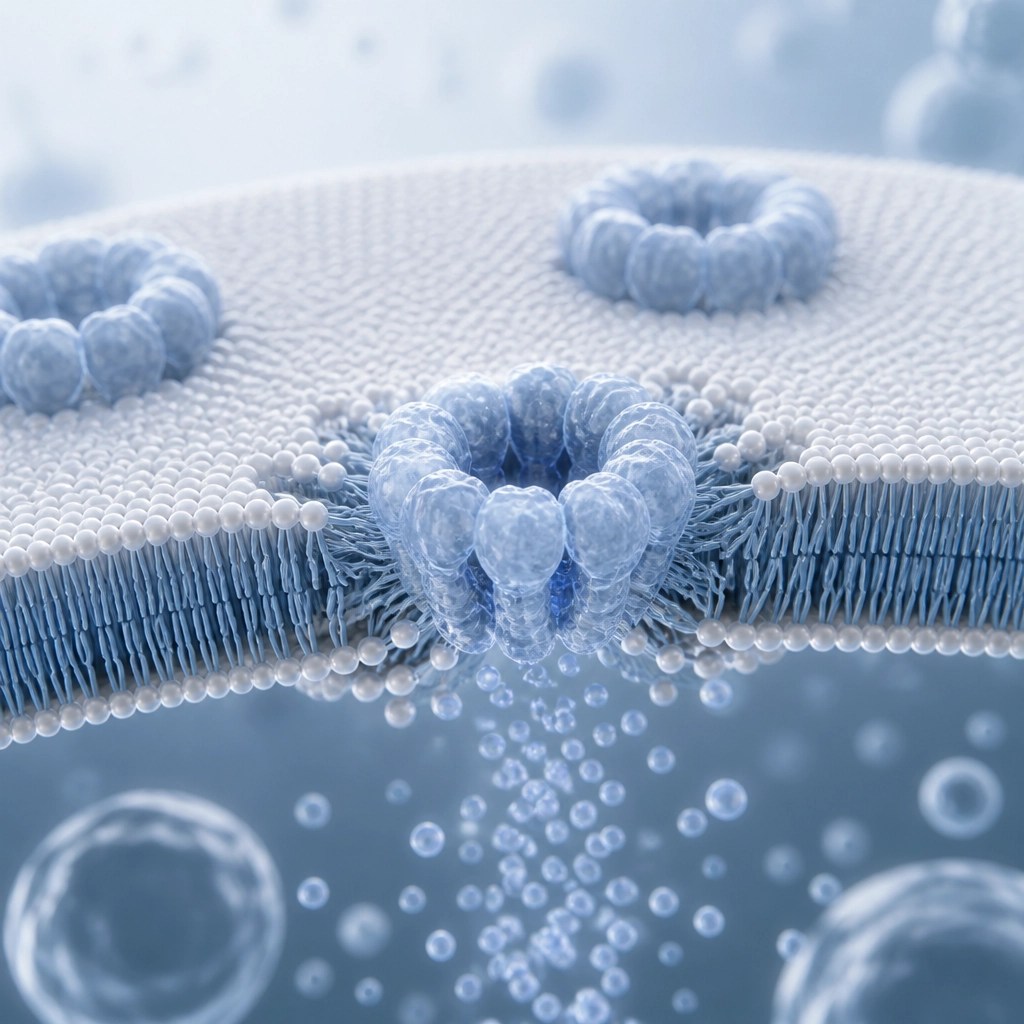
- Pore Formation: Once docked, the PNC-27/HDM2 complexes begin to cluster together. They assemble into ring-shaped structures known as transmembrane pores.
- The Lytic Event: These pores act like tiny holes in a balloon. They disrupt the integrity of the cell membrane, leading to rapid leakage of cellular contents and immediate necrotic death.
Because healthy cells lack that specific HDM2 "anchor" on their surface, the PNC-27 simply doesn't stick. It floats right by, leaving the "good guys" unharmed. This level of selectivity is exactly why WLA is so focused on bringing this type of research data to our community.
Research Outcomes: Beyond the Lab Bench
The data surrounding PNC-27 is, quite frankly, staggering. In preclinical studies, this peptide has been tested against a wide variety of human cell lines, including:
- Solid Tumors: Research on breast, cervical, and lung tumor lines has shown high sensitivity to PNC-27-induced necrosis.
- Hematologic Malignancies: Studies on K562 leukemia cells: which are often resistant to other forms of therapy: demonstrated that PNC-27 could successfully bypass their defenses by focusing on membrane lysis rather than internal p53 pathways.
- Mitochondrial Disruption: While the primary "kill" happens at the membrane, PNC-27 also appears to enter the cell and disrupt the mitochondrial membrane, essentially cutting off the cell’s power supply as a secondary punch.
What makes this particularly exciting for biohackers and longevity enthusiasts is that the process is p53-independent. Even if a cell has a mutated or missing p53 gene (a common problem in advanced research scenarios), PNC-27 still does its job.
Product Classification & Technical Details
When you are looking to integrate PNC-27 into your research protocol, it is essential to understand the structural classification of what you are working with.
- Scientific Classification: p53-penetratin fusion peptide.
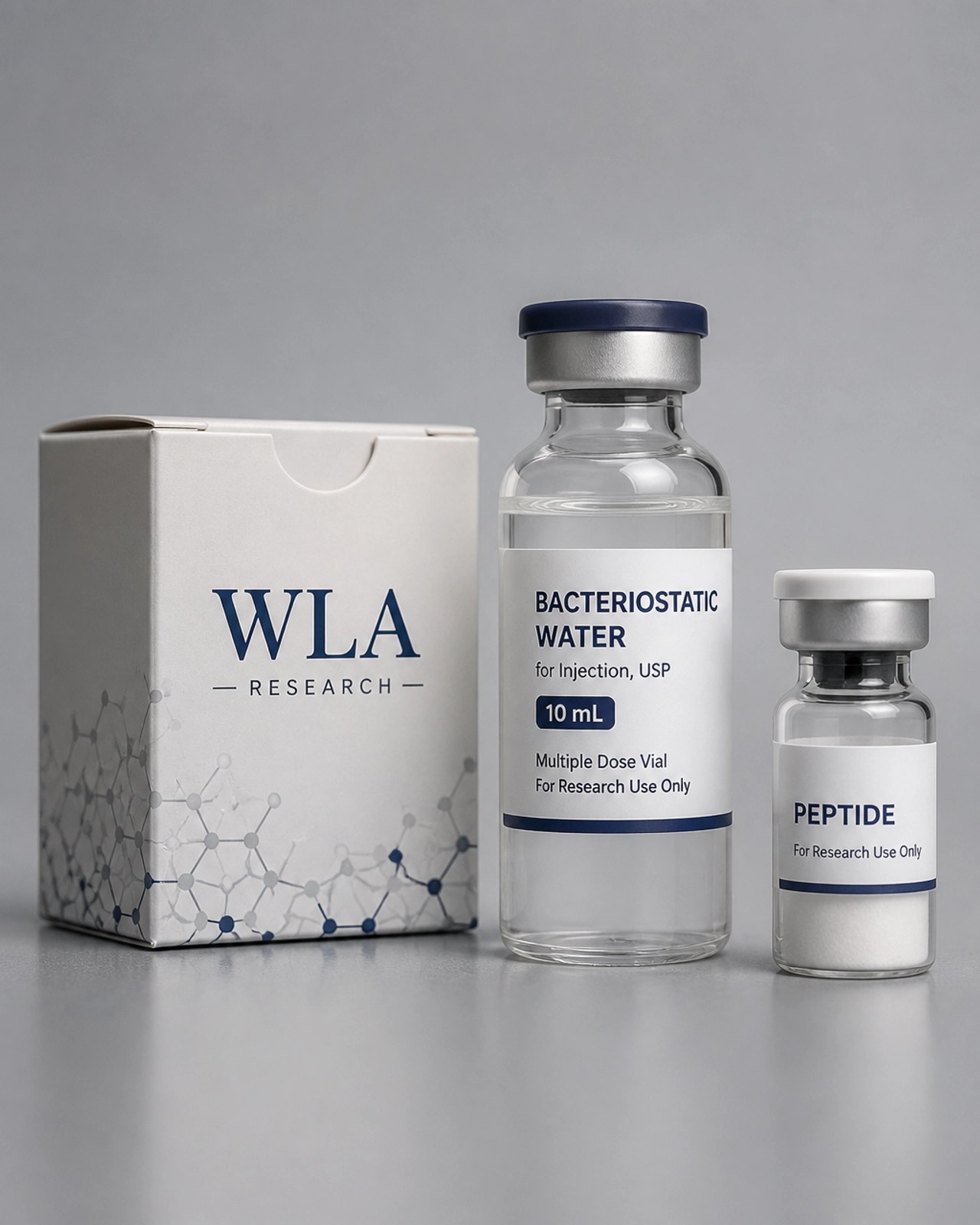
- Physical Contents: 10mg lyophilized powder (research grade).
- Structure: 27-amino acid sequence.
- Solubility: Requires reconstitution with Bacteriostatic Water for stability and research application.
For precise measurements, we always recommend using our Peptide Calculator to ensure your research concentrations are spot-on. Accurate dosing is the difference between "good data" and "revolutionary data."
Why Researchers Choose WLA (Weight Loss Australia)
At WLA, we don't just sell peptides; we provide the high-tech solutions required for metabolic and cellular excellence. Whether you are researching Ret for metabolic function or Tirz for weight management, our commitment to quality is unparalleled.
PNC-27 represents the cutting edge of "Scientific Luxury." It is a compound that doesn't just ask the body to change; it provides a direct, technical solution to a biological problem.
Key Benefits Identified in Research:
- Unrivaled Selectivity: Targets membrane HDM2 found only in diseased cells.
- Rapid Action: Necrosis often occurs within hours of exposure in vitro.
- Broad Utility: Effective across multiple solid and liquid tumor lines.
- Technical Precision: Mimics the alpha-helical conformation of native p53.
Final Thoughts from Matt
If you're looking to revolutionize your current research or want to unlock the potential of selective cytotoxicity, PNC-27 is a must-have in your lab. It’s a perfect example of how "friendly expertise" meets professional-grade compounds.
Don't forget to check out our VIP Club for exclusive drops on new bioregulators and metabolic enhancers. We are constantly updating our catalog with the latest in longevity and health research.
Stay curious, stay scientific, and let’s transform the future of research together.
Cheers,
Matt
Lead Researcher, WLA (Weight Loss Australia)
Research & Navigation Links:
- Shop All Peptides: wlaustralia.com.au
- Metabolic Research (Ret): View Retatrutide Range
- Longevity & Bioregulators: Explore Bioregulators
- Related Neuro Research (P21): P21 10mg Guide


 Immune Support and Life Extension
 Khavinson Bioregulators
 Brain
Brain Skin & Hair Care Peptides
 Anxiety & Mental Health


