

Lyophilized Powder & Reconstituted Vial Storage: Temperature, Light & Freeze-Thaw Protection

You have spent time learning the chemistry, mastered the "wall trick" for reconstitution, and calculated your dosages with precision. But here is the cold, hard truth: even the most perfect reconstitution can be undone by poor storage. Think of a peptide like a high-performance car engine; it is a finely tuned machine that performs incredible feats, but if you leave it out in the Australian sun or forget to change the oil, it will eventually seize up.
In this sixth installment of our Advanced Reconstitution & Stability Series, we are diving into the "silent killers" of peptide potency: heat, light, and moisture. You will learn how to turn your refrigerator into a high-tech preservation chamber and why "where" you place your vial is just as important as "how" you mixed it.
The Powder Phase: Managing the "Hibernation" State
Before you ever add a drop of bacteriostatic water, your peptide exists in a state of "hibernation" known as lyophilized powder. This freeze-dried state is remarkably stable, but it isn't invincible. Consider this powder like a set of intricate architectural blueprints. As long as they stay dry and cool, they are easy to read. If they get damp or scorched, the instructions become garbled.
The Threat of Moisture Ingress
Lyophilized peptides are hygroscopic, meaning they act like a sponge for any moisture in the air. If moisture enters the vial (moisture ingress), it triggers a process called hydrolysis. This is the biological equivalent of a zipper getting stuck; the peptide chain begins to "unzip" or degrade before you even start your research.
Focus on this: Always ensure your vials have a pristine vacuum seal. If you notice the powder looks "clumpy" or "melted" before you’ve even added liquid, moisture has likely compromised the integrity.
Temperature Control for Long-Term Storage
For long-term storage of unmixed powder (months to years), your freezer is your best friend.
- Ideal Range: -20°C to -80°C.
- The Room Temp Rule: While most lyophilized peptides can survive at room temperature for a few weeks during shipping, you should minimize this exposure. Once your package arrives from wlaustralia.com.au, move it to cold storage immediately.
Refrigerator Geography: Where Stability Lives
Once you reconstitute a peptide, it moves from "hibernation" to "active." In this liquid state, the peptide molecules are much more fragile: think of them as shifting from a solid block of ice to a delicate glass sculpture.

Avoid the "Door Trap"
Many people instinctively put their vials in the refrigerator door. This is a mistake. Every time you open the fridge to grab a snack, the door experiences a massive temperature spike. This constant "thermal cycling" stresses the peptide bonds.
Consider this strategy for refrigerator placement:
- The Back/Middle Shelf: This is the "Goldilocks Zone." The temperature here is the most consistent (usually between 2°C and 8°C).
- Avoid the Crisper: It’s often too humid.
- Avoid the Cooling Element: If a vial touches the very back wall of some fridges, it can actually flash-freeze, which leads us to our next problem.
The Light Thief: Photodegradation & Protection
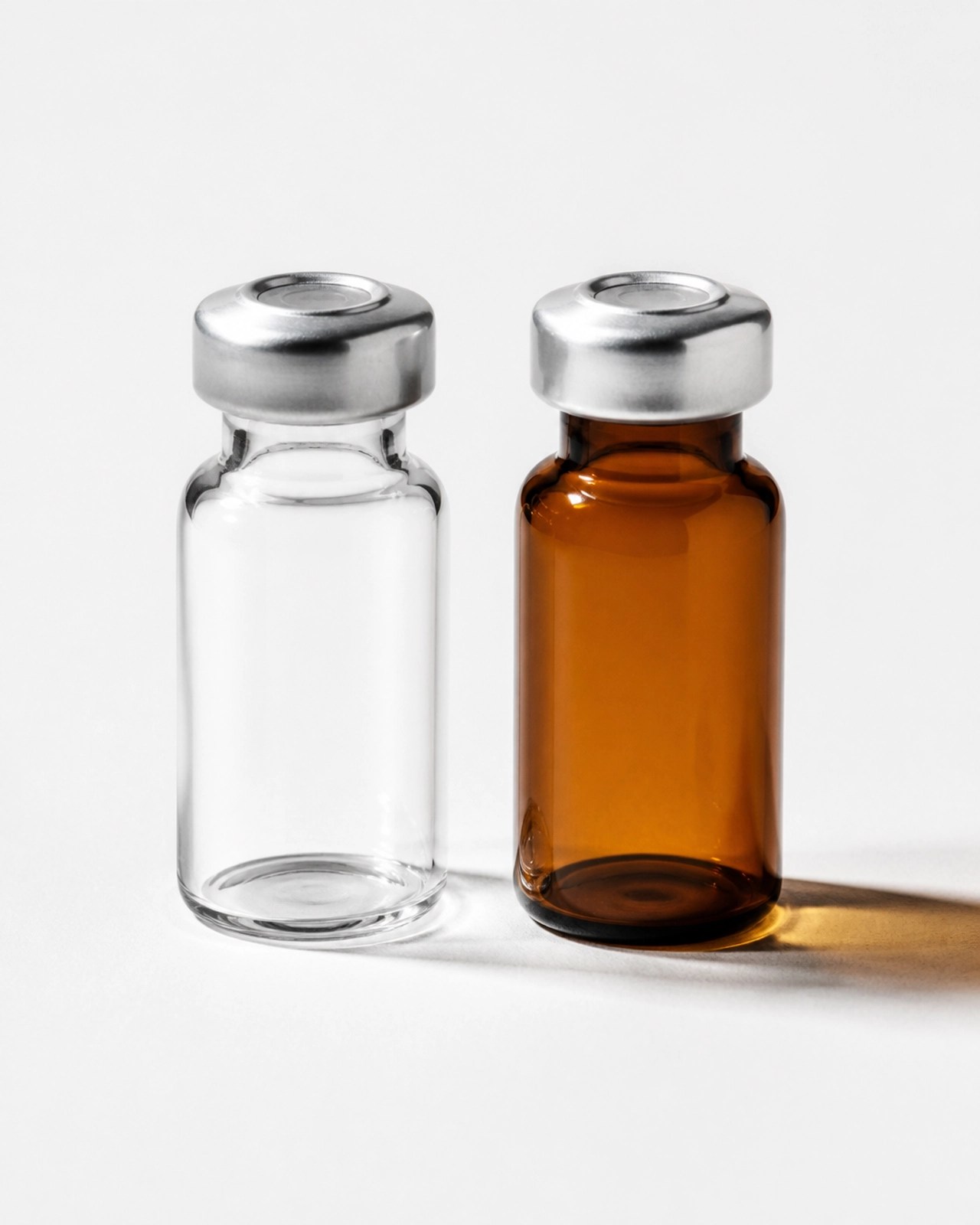
Light is energy. When high-intensity light (especially UV rays) hits a peptide solution, it acts like a microscopic hammer, smashing into the delicate aromatic amino acids (like Tryptophan or Tyrosine). This is called photodegradation.
Shielding Your Research
If your peptide solution changes color or becomes slightly cloudy after being left on a counter, light may have "cooked" the proteins.
- Amber Vials: Use amber-tinted glass vials whenever possible. The dark glass filters out the harmful UV spectrum, acting like sunglasses for your peptides.
- Protective Wraps: If you only have clear vials, wrap them in a layer of aluminium foil or store them inside an opaque container.
- Dark Storage: Even inside the fridge, keep your vials in a small, dark box. This provides a double layer of protection against the fridge light that clicks on every time the door opens.
The Freeze-Thaw Trap: Structural Fatigue
A common question we get at wlaustralia.com.au is: "Can I freeze my vial after I’ve mixed it to make it last longer?"
The answer is a cautious no, unless you use the "aliquot" method. When water freezes, it expands into jagged crystals. If you freeze a full vial, those ice crystals act like tiny knives, physically shearing and shredding the peptide chains. If you then thaw it, use it, and freeze it again, you are putting the molecules through "structural fatigue."
The Solution: Aliquoting
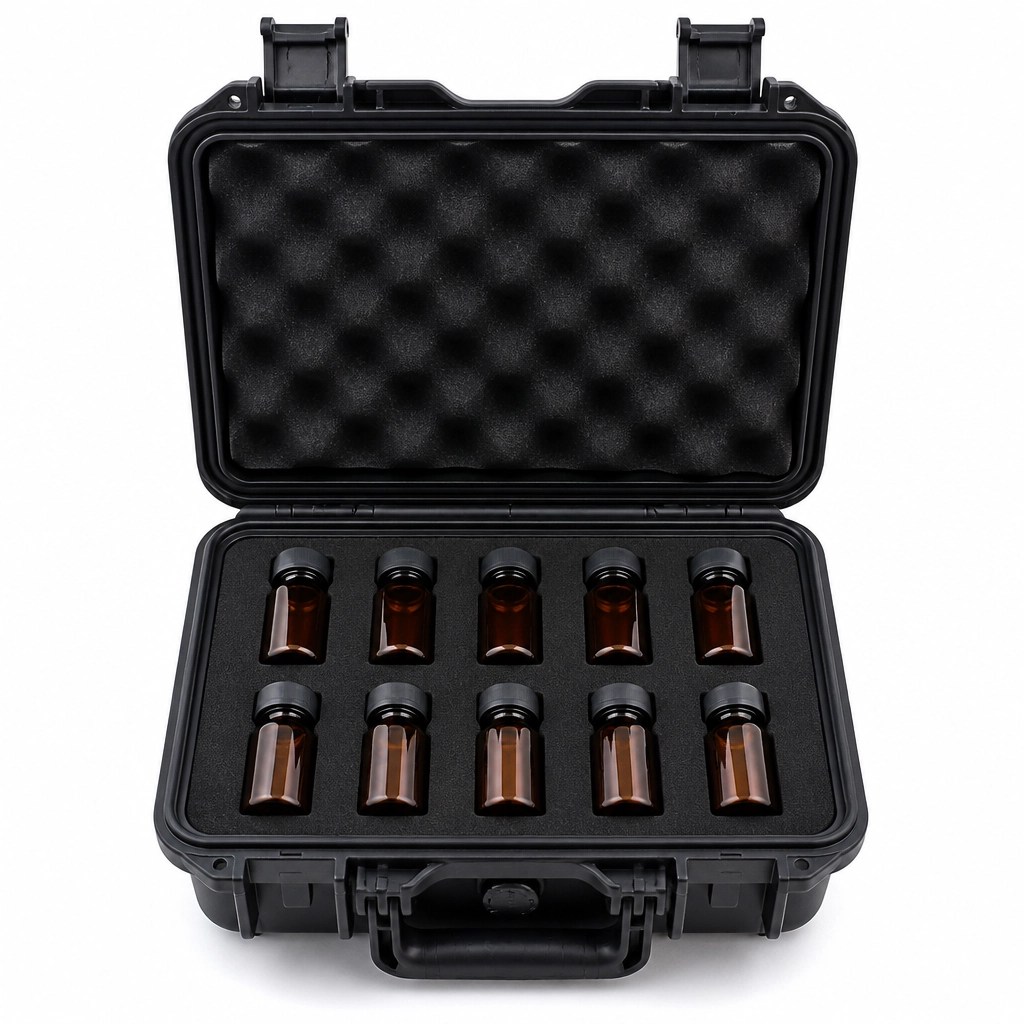
If you must freeze a reconstituted peptide for long-term use, you should divide the solution into single-use "aliquots" (small portions) using sterile syringes or smaller vials. This way, you thaw one portion, use it immediately, and the rest of your supply stays frozen and undisturbed. Never thaw and re-freeze the same liquid twice.
The Potency Clock: Usage Windows
Every time you click the timer on a reconstituted vial, the "potency clock" starts ticking. While the use of bacteriostatic water prevents bacterial growth, it cannot stop the natural chemical breakdown of the peptide over time.
The 21-28 Day Rule
For most peptides reconstituted with bacteriostatic water (which contains 0.9% benzyl alcohol), you should aim to complete your research within a 21 to 28-day window.
| Storage Condition | Form | Potency Window |
|---|---|---|
| Freezer (-20°C) | Lyophilized Powder | 12 – 24 Months |
| Fridge (2-8°C) | Lyophilized Powder | 6 – 12 Months |
| Fridge (2-8°C) | Reconstituted (Liquid) | 21 – 28 Days (Optimal) |
| Room Temp (25°C) | Reconstituted (Liquid) | < 24 – 48 Hours |
Beyond the 28-day mark, the peptide doesn't necessarily become "toxic," but its "horsepower" drops significantly. You might find that the results you were seeing in week one are no longer present by week five because the concentration of active peptide has dwindled.
Practical Maintenance Checklist
To take full control of your biology, follow this maintenance routine:
- Label Everything: The moment you reconstitute, write the date and the concentration on the vial. Use a waterproof marker.
- Check the Solvent: Even unopened bacteriostatic water has an expiry date. Once opened, a bottle of solvent should generally be discarded after 30 days to ensure sterility.
- The "Visual Scan": Before every use, hold your vial up to the light (briefly!). If you see "floaters," clumps, or a milky appearance that doesn't clear up with a gentle swirl, the peptide has likely degraded or become contaminated. When in doubt, throw it out.
By respecting the environmental needs of these delicate molecules, you ensure that your research remains accurate and your results remain consistent. Proper storage isn't just a "good idea"; it is the foundation of peptide efficacy.


 Are Scientific Research Immune Support Products Effective?
 Are Research Chemicals & Bioregulators the Future of Scientific Labs 2026?
 Brain
Brain Are Skin & Hair Care Products Australia the Best Choice for You?
 WL Australia Peptides for Anxiety & Longevity Research Support


