

GDF-11: The Youth-Associated Growth Factor for Rejuvenation and Tissue Regeneration

You will learn that the "fountain of youth" isn't a mythical spring, but a biological signal that your body may have simply forgotten how to send. As you age, your internal systems begin to slow down, much like a construction site where the foreman has misplaced the blueprints. The result is slower healing, a heart that works harder but less efficiently, and a mind that feels like it’s operating on a dial-up connection in a high-speed world.
Consider this: Growth Differentiation Factor 11 (GDF-11) is the master blueprint your body needs to resume high-level maintenance. Often called the "rejuvenation factor," GDF-11 is a circulating protein in the TGF-β (Transforming Growth Factor Beta) family that tells your cells it is time to rebuild, rather than just survive.
In this guide, you will discover how GDF-11 acts as a systemic regulator to unlock your potential for muscle regeneration, cardiac health, and neurogenesis.
The Problem: Biological Stagnation
As we cross the threshold of our 30s and 40s, a process called sarcopenia (age-related muscle loss) begins to take hold. Your muscles lose their "satellite cells": the tiny repair crews responsible for fixing tears after a workout. At the same time, your heart may undergo cardiac hypertrophy, where the muscle walls thicken and become stiff, making it harder to pump blood effectively.
If you feel like your recovery time has doubled while your energy has halved, you are experiencing biological stagnation. GDF-11 offers a tiered strategy to resolve these frustrations by re-activating the youthful signaling pathways that have gone dormant.
Muscle Regeneration: The Renovation Crew
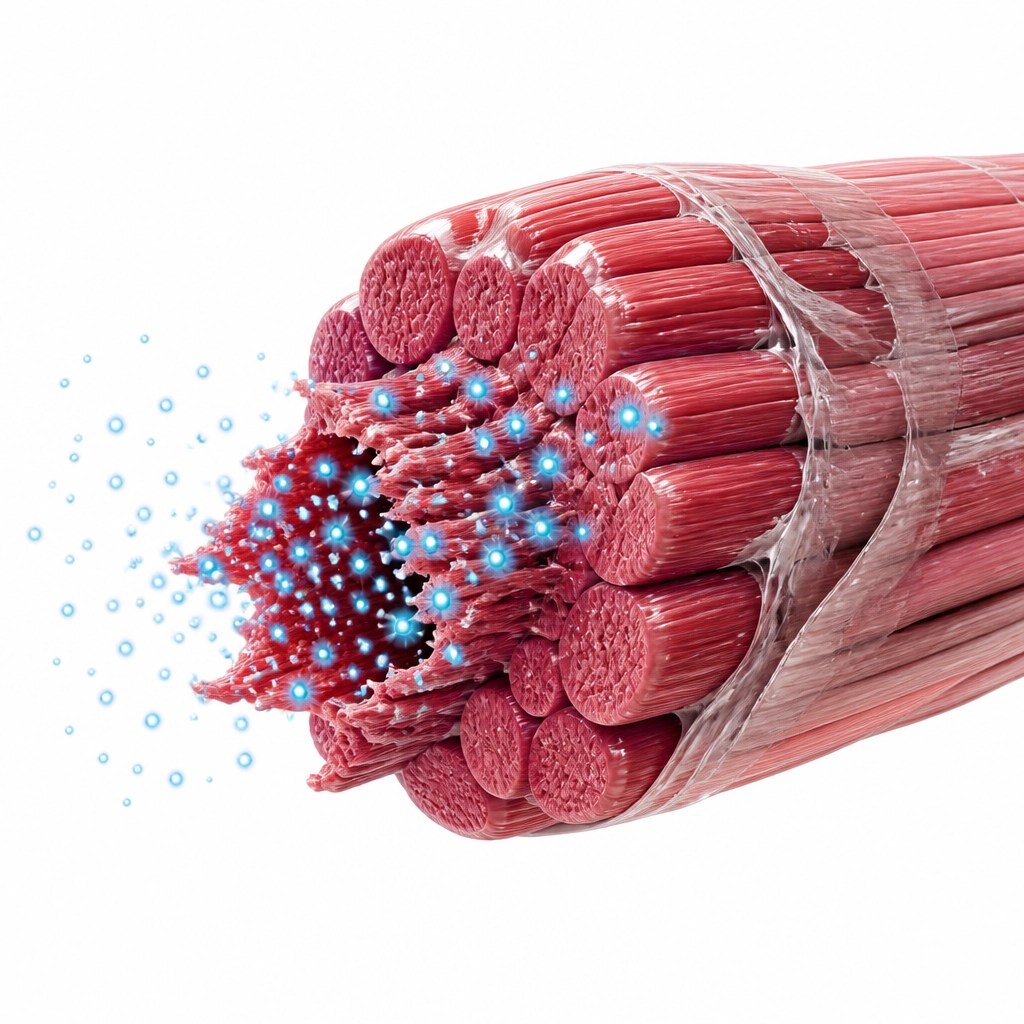
Focus on your muscle tissue as a house that hasn't been renovated in decades. In a young body, satellite cells are like a professional renovation crew, constantly patching drywall and reinforcing the foundation. As GDF-11 levels decline, this crew goes on an indefinite lunch break.
GDF-11 acts as the whistle that calls the crew back to work. Research indicates that GDF-11 can:
- Restore Satellite Cell Function: It re-activates the stem cells in your muscles, allowing for faster repair of myofibers.
- Improve Myofiber Size: By signaling the growth of new muscle fibers, it helps reverse the thinning associated with age.
- Enhance Strength and Endurance: A body that repairs itself faster can perform longer and harder.
You can think of this as upgrading your body’s "repair and maintenance" budget. When you combine GDF-11 with high-quality recovery agents like the TB-500 Fragment, you create a synergy that maximizes tissue integrity.
[INSERT VIDEO PLACEHOLDER: HOW GDF-11 REPAIRS MUSCLE TISSUE]
Cardiac Health: Maintaining the Pump
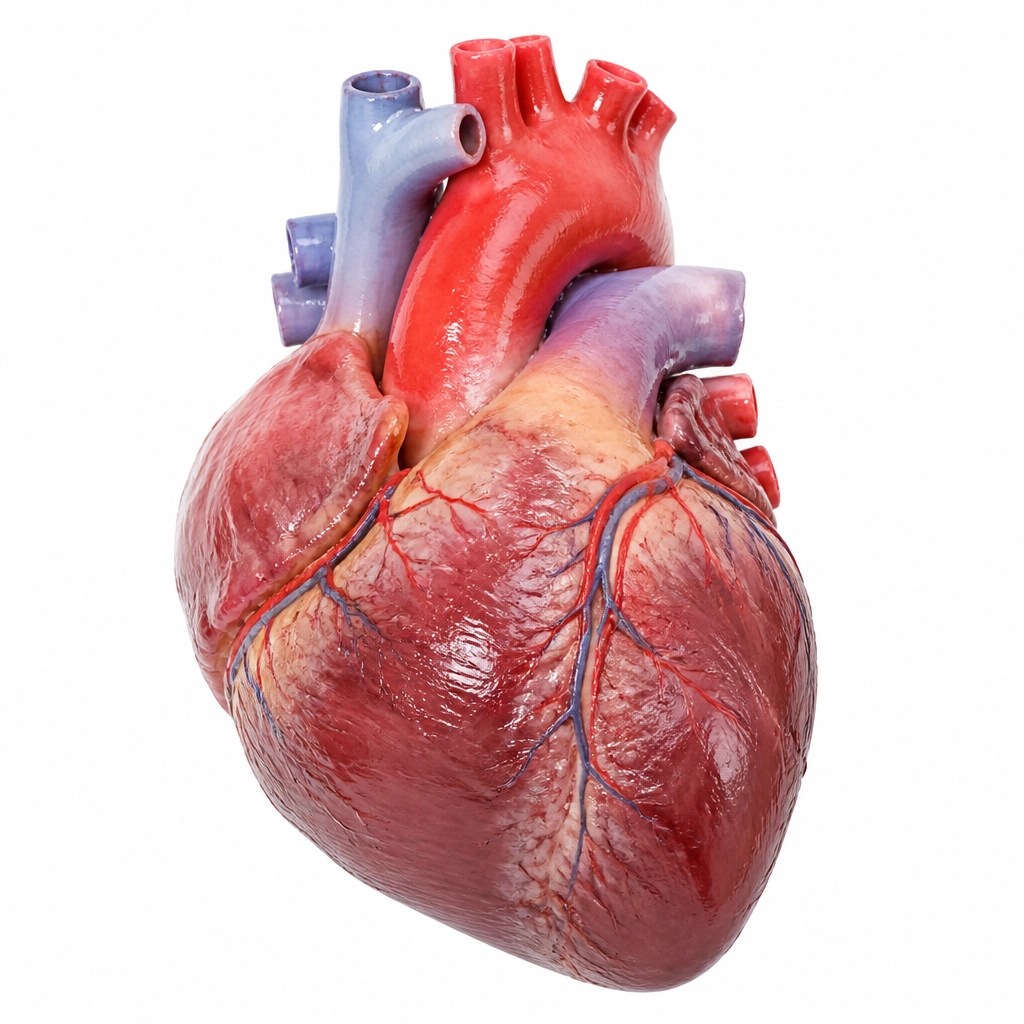
Your heart is the engine of your biological car. Over time, that engine can become "heavy": the walls of the heart thicken, a condition known as cardiac hypertrophy. While a thick muscle sounds good in a gym, a "thick" heart is actually less efficient and more prone to failure.
GDF-11 provides a solution by acting as a biological "tune-up." It has been shown in preclinical models to reverse age-related cardiac hypertrophy, effectively shrinking the heart back to a youthful, more athletic size and improving its "stroke volume" (the amount of blood pumped with each beat).
| Feature | Aged Heart (Low GDF-11) | Rejuvenated Heart (Optimized GDF-11) |
|---|---|---|
| Muscle Wall | Thick and Stiff | Lean and Elastic |
| Efficiency | Low (Harder to pump) | High (Smooth circulation) |
| Recovery | Slow after exertion | Rapid return to baseline |
Neurogenesis: Rewiring the Command Center
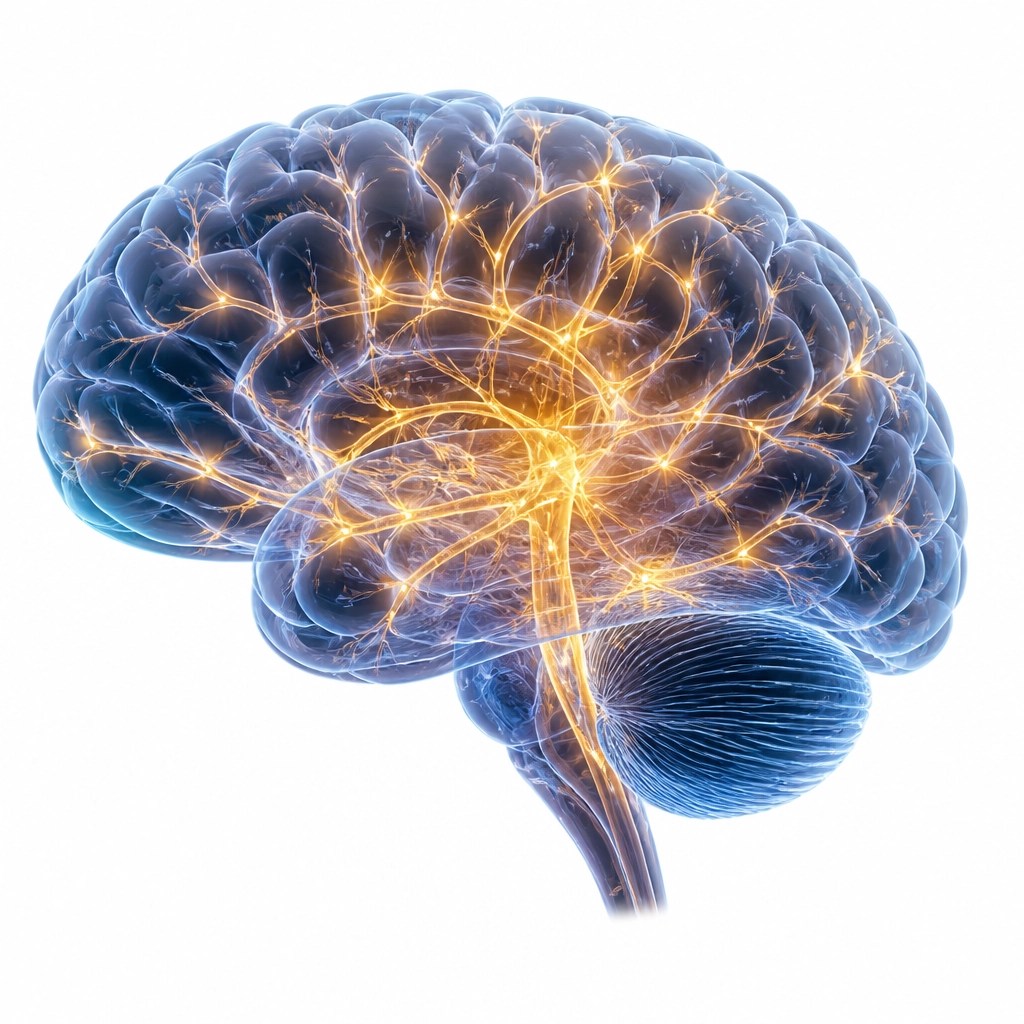
If the heart is the engine, the brain is the electrical command center. As we age, neurogenesis: the birth of new neurons: slows down. This can lead to brain fog, memory lapses, and decreased cognitive flexibility.
Consider GDF-11 the "fiber-optic upgrade" for your neural network. While GDF-11 itself does not easily cross the blood-brain barrier, it acts on the vascular endothelial cells (the lining of your blood vessels). These cells then release factors that stimulate the production of new neural stem cells.
Benefits for your brain include:
- Increased Blood Flow: Better oxygen and nutrient delivery to brain tissues.
- Enhanced Cognition: Improved ability to learn new tasks and retain information.
- Vascular Remodeling: Building new "roads" (capillaries) to ensure every part of the brain is well-serviced.
[INSERT VIDEO PLACEHOLDER: NEUROGENESIS AND BRAIN AGING EXPLAINED]
GDF-11 vs. Myostatin: Understanding the "Zippering" Effect
It is vital to distinguish GDF-11 from its cousin, Myostatin (GDF-8). Think of Myostatin as the "brake pedal" on muscle growth: it stops your muscles from getting too big. GDF-11 is more like the "accelerator" for repair.
While they look similar under a microscope, they function like two different sides of a zipper. Myostatin closes off growth to prevent excess, while GDF-11 opens up the potential for regeneration. For those looking for comprehensive results, understanding this balance is the key to optimization. You might look into our Bioregulators category to find complementary peptides that work in harmony with these growth factors.
Synergy and Stacking: The Assembly Line
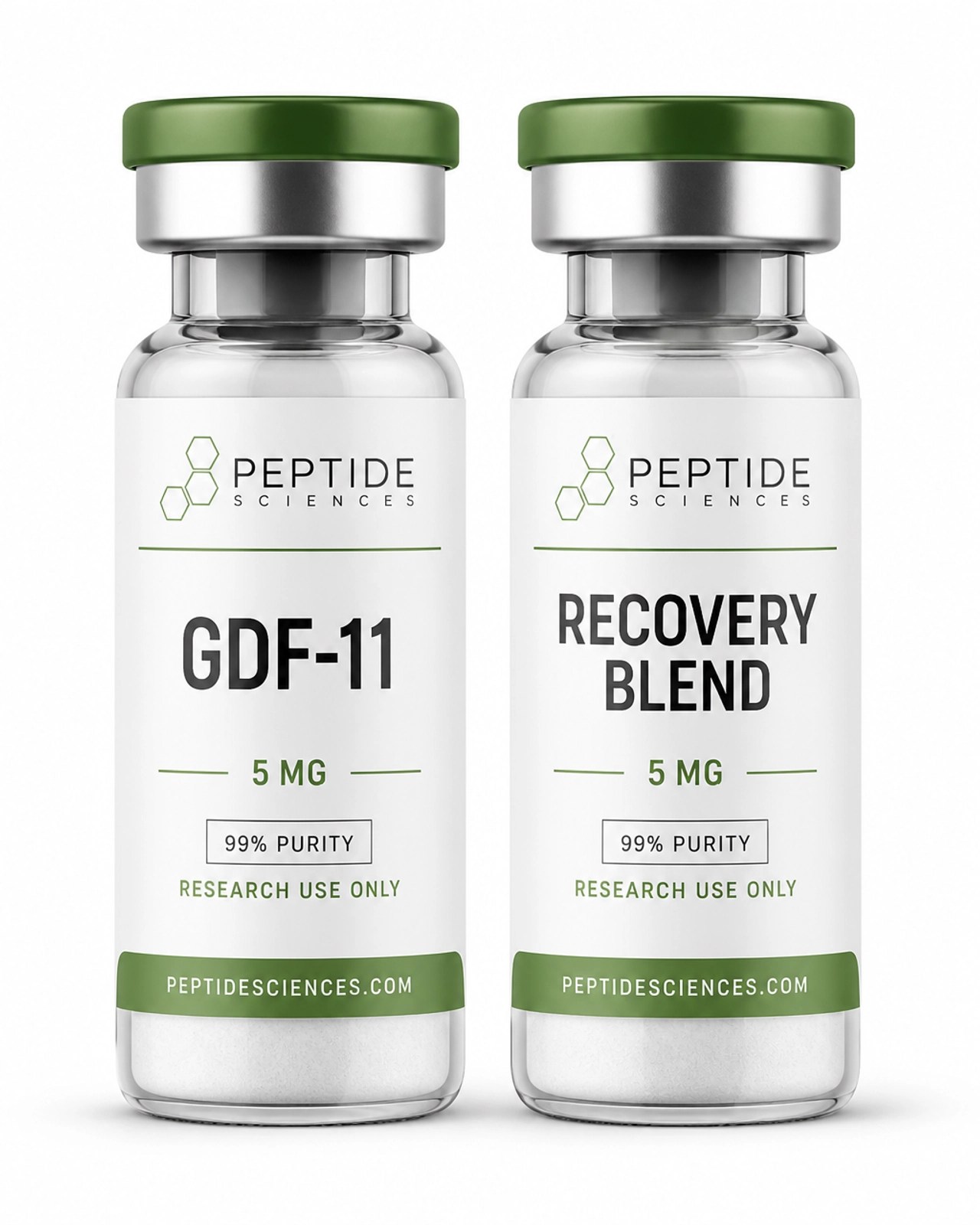
In any high-performance environment, no single part works alone. To "unlock" the full potential of GDF-11, you must consider the synergy of your protocol. If GDF-11 is the foreman with the blueprint, other peptides are the raw materials.
For example, many users explore the BPC and BPC Blends to handle localized inflammation while GDF-11 works on systemic rejuvenation. This "assembly line" approach ensures that while you are stimulating new growth, you are also managing the biological "trash" (inflammation) that can slow the process down.
Safety, Medical Oversight, and the Australian Context
Take control of your biology, but do so with a sense of responsibility. In Australia, the regulatory landscape for peptides and growth factors is specific. You must ensure you are sourcing from reputable providers and, most importantly, working under the guidance of a medical professional.
Safety Priorities:
- Dosage Control: More is not always better. Supraphysiological doses can lead to "off-target" effects.
- Blood Work: Monitor your markers. Knowledge is the foundation of optimization.
- Source Integrity: Only use high-purity, research-grade materials to ensure what is on the label is in the vial.
Conclusion: Take Control of Your Biology
The transition from age 20 to 60 doesn't have to be a slow slide into dysfunction. By understanding and utilizing advanced tools like GDF-11, you can take a proactive role in your body’s maintenance. Whether you are looking to recover from injury, maintain a healthy heart, or keep your mind sharp, GDF-11 represents the cutting edge of regenerative science.
Optimize your recovery. Restore your blueprints. Take control.


 Immune Support and Life Extension
 Khavinson Bioregulators
 Brain
Brain Skin & Hair Care Peptides
 Anxiety & Mental Health


