

HEP1: The Hepatocyte-Targeted Peptide for Liver Health and Regeneration

Your liver is the hard-working chemical plant of your body. It is responsible for over 500 essential functions, from filtering toxins and processing nutrients to managing your cholesterol and blood sugar levels. But what happens when this "factory" becomes overwhelmed by the modern environment?
You might experience sluggishness, slow recovery from exercise, or a general sense that your metabolism is "stalling." This is often a sign that your hepatocytes: the specialized worker cells that make up 80% of your liver: are under stress.
Enter HEP1.
In this guide, you will learn how this hepatocyte-targeted peptide serves as a master foreman for liver repair. You will discover its role in regeneration, detoxification, and how to safely integrate it into your biological optimization routine.
The Problem: A Stalled Engine
Think of your liver as a high-performance car engine. Over time, "sludge" (toxins, processed foods, and environmental stressors) can build up. If you don't perform regular maintenance, the engine runs hot, loses efficiency, and eventually breaks down.
Most people try to "clean" this engine with generic detox teas or over-the-counter vitamins. While helpful, these often lack the precision to target the engine’s internal components. HEP1 (Hepatocyte-Targeted Peptide 1) is different. It is a precise tool designed to speak the specific language of liver cells, signaling them to repair and replicate.
What is HEP1? The Master Foreman
HEP1 is a peptide fragment derived from Hepatocyte Growth Factor (HGF). In biological terms, HGF is a signaling protein that acts like a "master foreman" at a construction site. When there is damage, HGF shows up with the blueprints and tells the cells exactly how to rebuild.
HEP1 specifically targets the c-MET receptor located on the surface of your hepatocytes.
Focus on this: By engaging this receptor, HEP1 triggers a cascade of pro-survival and anti-fibrotic (scar-reducing) pathways. It’s not just "supporting" the liver; it is actively participating in its structural integrity.
[PLACEHOLDER: VIDEO – HOW PEPTIDES TARGET CELL RECEPTORS]
Step 1: Initiating Liver Regeneration
When your liver is injured: whether by alcohol, medications, or metabolic stress: it naturally tries to heal. However, chronic stress can slow this process down to a crawl.
HEP1 accelerates this timeline by:
- Promoting Hepatocyte Proliferation: It encourages healthy liver cells to divide and multiply, replacing damaged tissue with fresh, functional cells.
- Reducing Fibrosis: Fibrosis is the medical term for scarring. Just like a scar on your skin is tough and lacks the flexibility of normal tissue, a scarred liver cannot filter blood effectively. HEP1 works to minimize this scar tissue, keeping the "factory floor" smooth and operational.
Consider this analogy: If your liver is a house under renovation, standard supplements are like buying new furniture. HEP1 is like hiring a structural engineer to fix the foundations and the walls.

Step 2: Advanced Detoxification and Metabolic Support
Detoxification is more than just "flushing out" waste. It is a complex series of chemical reactions where the liver converts fat-soluble toxins into water-soluble ones so they can be eliminated.
HEP1 supports this process by optimizing the liver's internal metabolic pathways. Specifically, it interacts with pathways like AMPK and AKT, which are the "power switches" for cellular energy and glucose management.
- Glucose Handling: HEP1 helps the liver store sugar more efficiently as glycogen, which can improve your energy levels and prevent the "crashes" associated with metabolic dysfunction.
- Lipid Metabolism: It helps prevent the accumulation of excess fat within the liver cells (steatosis), ensuring the pipes stay clear and the filtration system remains unobstructed.
Synergy with Other Peptides
To maximize these effects, many users look toward synergy: the concept of two components working together to produce a result greater than the sum of their parts. For instance, pairing HEP1 with regenerative blends found in our BPC and BPC blends category can provide a comprehensive "inside-out" approach to systemic recovery.
| Feature | HEP1 (Hepatocyte-Targeted) | Standard Liver Supplements (e.g., Milk Thistle) |
|---|---|---|
| Primary Target | c-MET Receptors on liver cells | General antioxidant support |
| Action | Regenerative signaling | Protective barrier |
| Benefit | Structural repair and DNA synthesis | Reduced oxidative stress |
| Speed | Rapid, targeted response | Gradual, systemic support |
Step 3: Practical Application and Safety
Taking control of your biology requires a serious and responsible approach. While HEP1 offers exciting potential for unlocking liver health, it must be used within a structured framework.
Optimization Protocols
If you are considering HEP1, focus on these three pillars:
- Consistency: Peptides work best when they maintain a steady "pulse" in your system. Follow the recommended protocols diligently.
- Hydration: Your liver needs water to transport the toxins HEP1 is helping to process. Think of it as the water used to wash away the debris after a construction project.
- Medical Oversight: Always consult with a healthcare professional before starting any new peptide regimen, especially if you have pre-existing liver conditions or are taking prescription medications.
[PLACEHOLDER: VIDEO – LIVER HEALTH AND SUPPLEMENT SAFETY]
Regional Context: The Australian Landscape
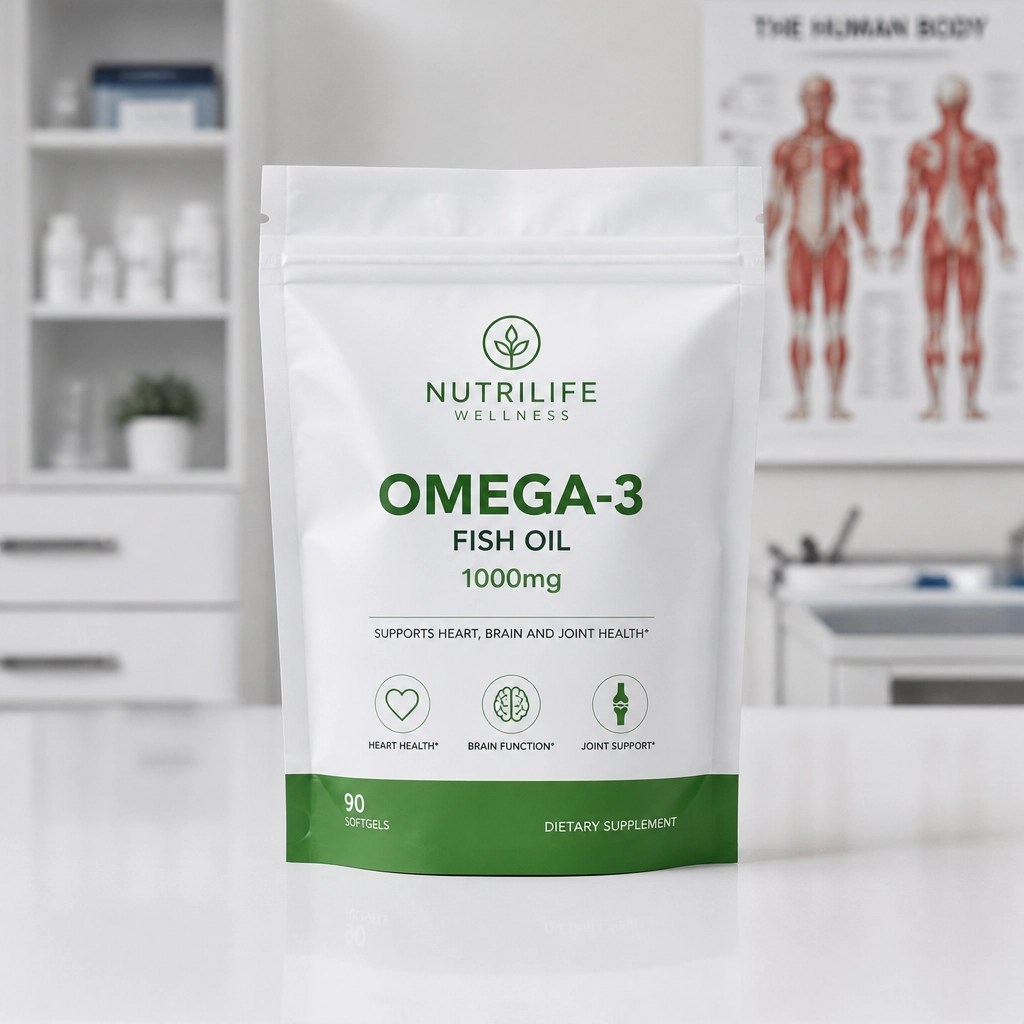
In Australia, we face unique environmental factors, from high UV exposure to specific dietary patterns. Our regulatory environment is also one of the most stringent in the world. When choosing products like HEP1, ensure you are sourcing from reputable providers who understand the local standards for quality and purity. You can explore our full range of high-quality options at the WL Australia Shop.
Troubleshooting Your Results
If you don't feel an immediate change, don't be discouraged. Biological "renovation" takes time.
- The First 2 Weeks: Focus on cellular signaling. Your liver is "waking up" its repair mechanisms.
- Weeks 4-8: You may notice improved digestion, more stable energy levels, and better recovery from physical exertion.
If you find that your progress is plateauing, consider whether your "foundational" habits: sleep, diet, and stress management: are supporting the work the peptides are doing. A foreman can't rebuild a house if the workers don't have the materials (nutrients) they need.
The Bottom Line: Take Control of Your Biology
HEP1 represents a shift from passive protection to active regeneration. By targeting the very cells that keep your body’s chemical plant running, you are not just masking symptoms: you are optimizing the system from the ground up.
Recovery. Synergy. Optimization. These are the keys to longevity. Whether you are looking to bounce back from years of stress or simply want to ensure your "engine" stays in peak condition for the decades to come, HEP1 is a powerful tool in your biological arsenal.
Ready to start your journey? Browse our full collection of capsules and wellness products to find the right support for your goals.


 Immune Support and Life Extension
 Khavinson Bioregulators
 Brain
Brain Skin & Hair Care Peptides
 Anxiety & Mental Health


