Managing Blood Sugar with Pancreagen: Pancreatic Function and Insulin Sensitivity

Important safety note: Diabetes, prediabetes, and ongoing blood sugar symptoms require medical assessment. Pancreagen and other research peptides should not be used as a substitute for diagnosis, insulin, metformin, or any other prescribed treatment. Do not change, reduce, or stop diabetes medication without speaking with your doctor or diabetes care team. If you have excessive thirst, frequent urination, unexplained weight loss, blurred vision, severe weakness, vomiting, or confusion, seek medical care promptly.
Blood sugar management is not only about what you eat. Your pancreas is also central to how your body turns food into energy, controls glucose, and produces digestive enzymes.
Think of the pancreas as a combined fuel controller and food-processing unit. One side produces hormones that regulate glucose in your bloodstream. The other produces enzymes that break food into usable nutrients.
When this system is under strain, you may experience energy fluctuations, changes in appetite, digestive problems, or abnormal blood test results. Understanding the pancreas helps you make better decisions: but it also helps you recognise when professional medical care is needed.
This article explains the role of the pancreas, how insulin works, and how Pancreagen and Zhenoluten are described in the supplied bioregulator chapter. It also clarifies the important difference between supporting pancreatic function and treating diabetes.
What does the pancreas do?
The problem: one small organ, two major jobs
The pancreas is a thin organ located behind the stomach and beneath the liver. According to healthdirect’s overview of the pancreas, it has two primary roles:
- Digestive function
- Hormonal function
These roles are separate, but they work side by side.
The solution: understand the two pancreatic systems
The pancreas releases digestive juices into the duodenum, the first part of the small intestine. These juices contain enzymes that help break down food:
- Lipase breaks down fats.
- Amylase breaks down carbohydrates.
- Proteases, including trypsin, break down proteins.
You can think of these enzymes as a specialised demolition and sorting team. They break large food molecules into smaller components so your body can absorb and use them.
The pancreas also contains clusters of hormone-producing cells called the islets of Langerhans. Within these islets:
- Beta cells produce insulin.
- Alpha cells produce glucagon.
- Other cells help regulate the release of these hormones.
Short summary: The pancreas helps you digest food and control blood glucose. Both functions matter.

Insulin: the key that helps glucose enter your cells
The problem: glucose is available, but cells cannot access it
After you eat carbohydrates, digestion converts them into glucose. This glucose enters your bloodstream and becomes available as fuel.
However, glucose cannot simply move into every cell on its own. Insulin acts like a key. It helps unlock the doors of cells so glucose can move from the bloodstream into the cells, where it can be used for energy.
When insulin is absent, insufficient, or less effective, glucose remains in the bloodstream. This can lead to high blood sugar.
This is where insulin sensitivity becomes important. Insulin sensitivity describes how effectively your cells respond to insulin. If your cells respond well, a smaller amount of insulin may be enough to move glucose into them. If they respond poorly, the pancreas may need to produce more insulin to achieve the same result.
That reduced response is commonly called insulin resistance.
The solution: support the whole control system
Insulin is not the only hormone involved. When blood sugar falls between meals, the pancreas releases glucagon. Glucagon acts in the opposite direction to insulin, signalling the liver to release stored glucose.
The two hormones work like a thermostat:
- Insulin helps lower blood glucose after it rises.
- Glucagon helps raise blood glucose when it falls.
The goal is not to force blood sugar constantly lower. The goal is appropriate regulation.
Pulse point: Healthy glucose control is about balance, not extremes.
What is Pancreagen?
The problem: pancreatic tissue may need targeted biological signals
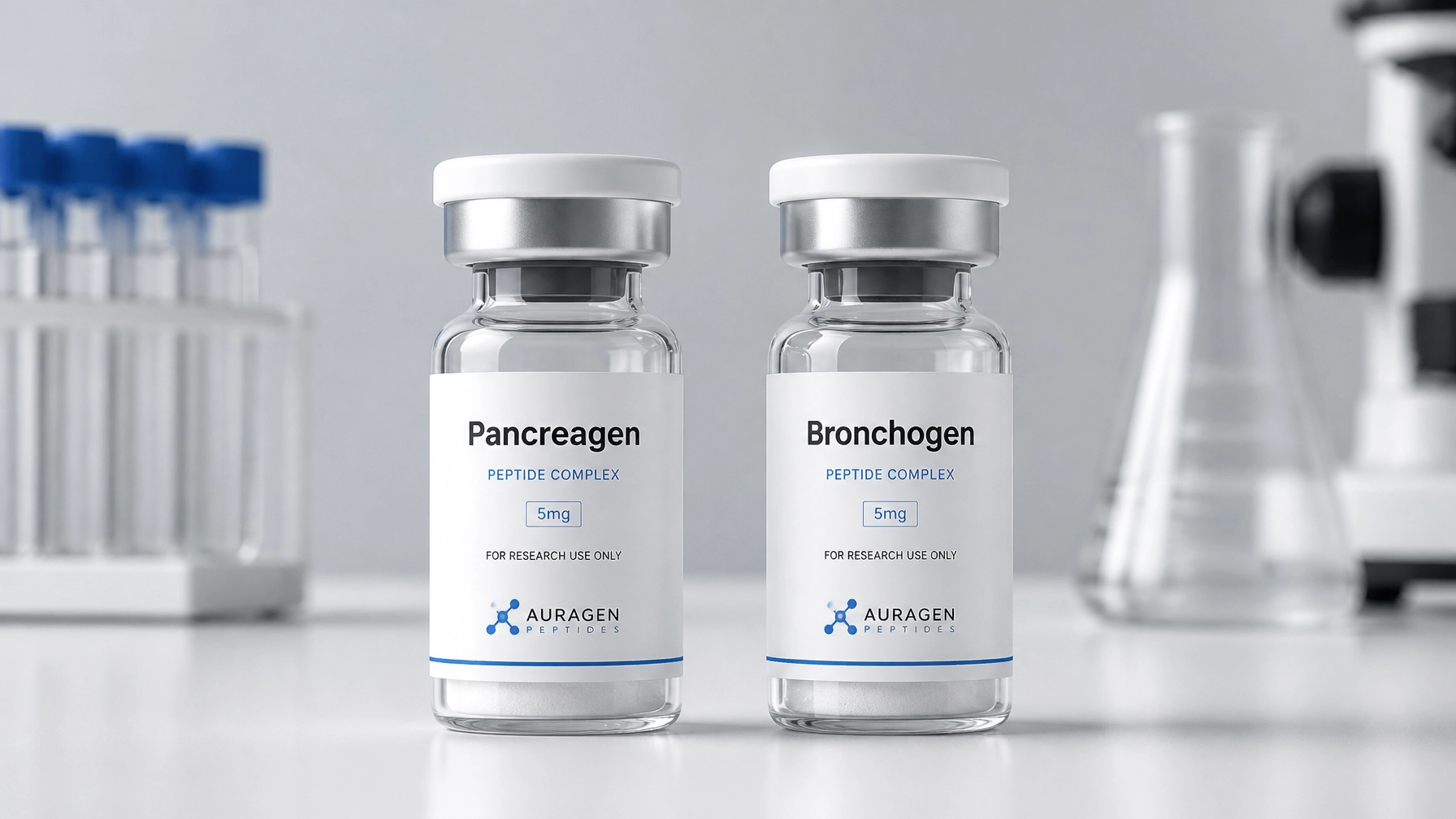
The supplied chapter describes Pancreagen as a synthetic peptide bioregulator with the amino acid sequence Glu-Asp-Val.
A synthetic peptide is a short chain of amino acids made under controlled laboratory conditions. A bioregulator is intended to act as a biological signal rather than as a conventional hormone replacement.
The chapter presents Pancreagen as targeting pancreatic tissue and supporting the cells involved in endocrine function, including insulin regulation. It also describes the peptide as helping the pancreas respond more effectively during periods of metabolic demand.
You can picture this as sending a technical maintenance message to a factory. The peptide is not the finished product: in this case, insulin. Instead, it is described as a signal intended to support the factory’s own systems.
The solution: distinguish research support from proven treatment
Pancreagen should be viewed carefully. The available research and commercial descriptions do not establish it as a replacement for approved diabetes treatment. Evidence for peptide bioregulators may be limited, and product quality, formulation, route of administration, interactions, and long-term safety require professional consideration.
For more information about how WL Australia presents Pancreagen, see the internal Pancreagen and pancreatic bioregulator overview.
The chapter describes Pancreagen as potentially supporting:
- Pancreatic endocrine function
- Insulin production pathways
- Glucose handling
- Insulin sensitivity
- Cellular repair and maintenance
These are supportive or research-oriented concepts, not proof that Pancreagen can prevent, reverse, or cure diabetes.
Video placeholder: Explainer video showing how the pancreas, insulin, glucagon, and blood glucose work together.
Where does Zhenoluten fit?
The problem: product descriptions and intended uses can be confused
The supplied chapter describes Zhenoluten as a natural extract derived from pancreatic tissue. In that context, it is presented as a broader, longer-term pancreatic bioregulator that may support insulin production and digestive enzyme function.
A natural extract differs from a synthetic peptide. Rather than containing one precisely engineered sequence, it may contain a wider mixture of naturally derived peptide fragments.
The chapter compares this approach to routine engine maintenance:
- Pancreagen is described as a more targeted signal.
- Zhenoluten is described as broader pancreatic support.
The solution: check the current product information before making assumptions
The current Zhenoluten 5 mg product listing describes the product as a bioregulator associated with female hormonal function and clearly states: “Research chemical only: not for human use.”
This differs from the supplied chapter’s description of Zhenoluten as a pancreatic extract. Because product specifications and intended uses can change, always rely on the current product page, label, and advice from a qualified professional.
Do not assume that a product associated with one biological system is suitable for another. Do not use Zhenoluten for blood sugar control based on a general chapter description.

The practical lesson: Product identity, intended use, regulatory status, and safety information must be verified before use.
Pancreatic support is not diabetes treatment
This distinction is essential.
| Pancreatic support | Diabetes treatment |
|---|---|
| Aims to support normal biological function | Aims to manage a diagnosed medical condition |
| May involve nutrition, lifestyle, monitoring, or research compounds | May involve insulin, tablets, glucose monitoring, food planning, and medical follow-up |
| Evidence and product quality can vary | Treatment is selected according to diagnosis and clinical guidelines |
| Does not replace diagnosis | Requires professional assessment and an individual care plan |
Diabetes is a serious chronic condition in which the body does not make insulin, does not make enough insulin, or does not use insulin effectively. Diabetes Australia explains that diabetes must be diagnosed with laboratory blood tests, such as glycated haemoglobin (HbA1c), fasting blood glucose, or an oral glucose tolerance test.
A home glucose meter can help monitor blood sugar, but it cannot independently diagnose diabetes.
Do not use symptoms as a treatment plan
Symptoms such as thirst, frequent urination, fatigue, blurred vision, slow-healing cuts, or unexplained weight change can have several causes. They may also occur without obvious symptoms, particularly in type 2 diabetes.
If you are concerned:
- Book an appointment with your GP.
- Ask whether blood glucose and HbA1c testing is appropriate.
- Tell your doctor about every supplement, peptide, or research chemical you are considering.
- Continue prescribed treatment unless your clinician instructs you otherwise.
- Keep a record of symptoms and glucose readings if you monitor at home.
If you have digestive symptoms such as oily stools, persistent abdominal pain, jaundice, or unexplained weight loss, pancreatic enzyme problems or other conditions may need investigation.
Building a responsible metabolic health strategy
The problem: blood sugar is influenced by more than one factor
Sleep, stress, physical activity, body composition, medications, illness, alcohol, diet, and genetics can all affect glucose regulation. A single peptide cannot replace attention to the wider system.
The solution: use a layered approach
Focus first on the foundations:
- Eat regular meals that include fibre and adequate protein.
- Choose mostly minimally processed foods.
- Stay physically active according to your health status.
- Limit alcohol and avoid smoking.
- Prioritise consistent sleep.
- Attend recommended blood tests and medical reviews.
- Follow your prescribed diabetes or prediabetes plan.
Only after these foundations and a medical assessment should you discuss any research product with a qualified healthcare professional.
Support the system. Monitor the system. Treat diagnosed disease with appropriate medical care.
Final thoughts
The pancreas is both a digestive workshop and a blood sugar control centre. Its enzymes help break down food, while insulin and glucagon help keep glucose within a healthy range.
The supplied chapter presents Pancreagen as a synthetic Glu-Asp-Val bioregulator designed to support pancreatic function and insulin sensitivity. It presents Zhenoluten as a natural pancreatic extract, although the current WL Australia product listing provides different information and states that it is for research only and not for human use.
That is why careful verification matters.
Pancreagen, Zhenoluten, or any other research compound should not be treated as a cure for diabetes or a reason to change prescribed care. If you have blood sugar symptoms or abnormal results, take control by getting properly assessed, monitoring your health, and working with your doctor on a safe plan.
Video placeholder: Clinician-led discussion on blood glucose testing, HbA1c, insulin resistance, and safe questions to ask before considering research compounds.

 Immune Support and Life Extension
 Shop Bioregulators & Research Chemicals for 2026 Scientific Labs
 Brain
Brain Buy Hair & Skin Care Peptides Australia – Top Quality & Best Prices
 Discover WLAustralia Peptides for Anxiety Relief & Longevity