ARA-290: The Nerve Repair Peptide for Neuropathy and Pain Relief

Living with neuropathic pain is often described as living with "static" in your limbs: a constant, buzzing discomfort that never fully fades. Whether it is the sharp, electric-shock sensations of diabetic neuropathy or the dull, persistent ache of small fiber neuropathy (SFN), the frustration remains the same: traditional painkillers rarely solve the problem; they merely muffle the noise.
Consider your nervous system as a complex network of high-speed electrical cables. When those cables are healthy, signals move seamlessly. But when the protective insulation (the myelin) wears thin or the wires themselves (the axons) become frayed, the system begins to short-circuit. ARA-290 represents a paradigm shift in how we approach this damage. It is not just another "volume knob" to turn down the pain; it is a specialized construction crew sent in to repair the grid.
In this guide, you will learn the mechanics of ARA-290, how it interacts with your biology to trigger repair, and why it is becoming a cornerstone for those seeking to reclaim their physical autonomy.
The Problem: Why Chronic Nerve Pain Won’t Quit
Most conventional treatments for neuropathy, such as gabapentinoids or antidepressants, act like noise-canceling headphones. They change how your brain perceives the "static," but they do nothing to fix the frayed wires causing it. This creates a cycle of dependency where the underlying degeneration continues unchecked.
The primary driver of this degeneration is neuroinflammation. When nerves are stressed: due to high blood sugar, autoimmune responses, or physical injury: the body enters a state of chronic "alarm." This alarm triggers pro-inflammatory cytokines (signal molecules) like TNF-α (Tumor Necrosis Factor alpha). These molecules keep the nerve in a state of hyper-sensitivity, preventing any meaningful healing from occurring.
The Solution: ARA-290 targets the root cause by activating a very specific "emergency response" receptor in the body that shifts the environment from destruction to reconstruction.
What is ARA-290? The 911 Signal for Your Cells
ARA-290 is a synthetic peptide derived from the structure of Erythropoietin (EPO). You may know EPO as the hormone that stimulates red blood cell production, but ARA-290 is different. It was engineered to strip away the blood-building properties and focus exclusively on tissue protection and repair.
Think of EPO as a massive multi-tool. ARA-290 is the one specific high-precision screwdriver on that tool designed to fix delicate electronics. It works by binding to the Innate Repair Receptor (IRR).

Understanding the Innate Repair Receptor (IRR)
The IRR is like a biological "911 receiver" that is only expressed when tissue is under extreme stress or injury. Under normal conditions, this receptor is silent. However, when the IRR is activated by a signal like ARA-290, it initiates a powerful cytoprotective (cell-protecting) cascade.
- Halting the Fire: It immediately suppresses the inflammatory "fire" by inhibiting NF-κB, a protein complex that controls the production of inflammatory signals.
- Survival Mode: It activates pathways that prevent apoptosis (programmed cell death), keeping damaged nerve cells alive long enough to be repaired.
- The Rebuild: It encourages the growth of small nerve fibers, effectively "re-wiring" the damaged areas.
[video_placeholder_1: A visual explanation of the Innate Repair Receptor and how ARA-290 binds to it]
Repair vs. Masking: The ARA-290 Difference
To understand the power of ARA-290, we must look at its impact on Small Fiber Neuropathy (SFN). Small nerve fibers are responsible for sensing pain and temperature, as well as controlling autonomic functions like heart rate and digestion. In SFN, these fibers literally disappear: they "die back" from the skin.
In clinical trials involving sarcoidosis and diabetes patients, ARA-290 didn't just reduce pain scores. Researchers used a technique called Corneal Confocal Microscopy to look at the tiny nerves in the eye: a window into the rest of the body's nerve health. They found that patients using ARA-290 actually showed an increase in nerve fiber density.
Focus on this: This is the equivalent of seeing new grass grow in a field that was previously scorched earth.
| Feature | Traditional Pain Meds | ARA-290 Peptide |
|---|---|---|
| Primary Goal | Symptom Masking | Nerve Regeneration |
| Mechanism | Blocks Neurotransmitters | Activates Repair Receptors (IRR) |
| Inflammation | Minimal Impact | Powerful Anti-inflammatory |
| Duration | Lasts hours (Requires daily dosing) | Potential for long-term structural repair |
Practical Application: Optimization and Safety
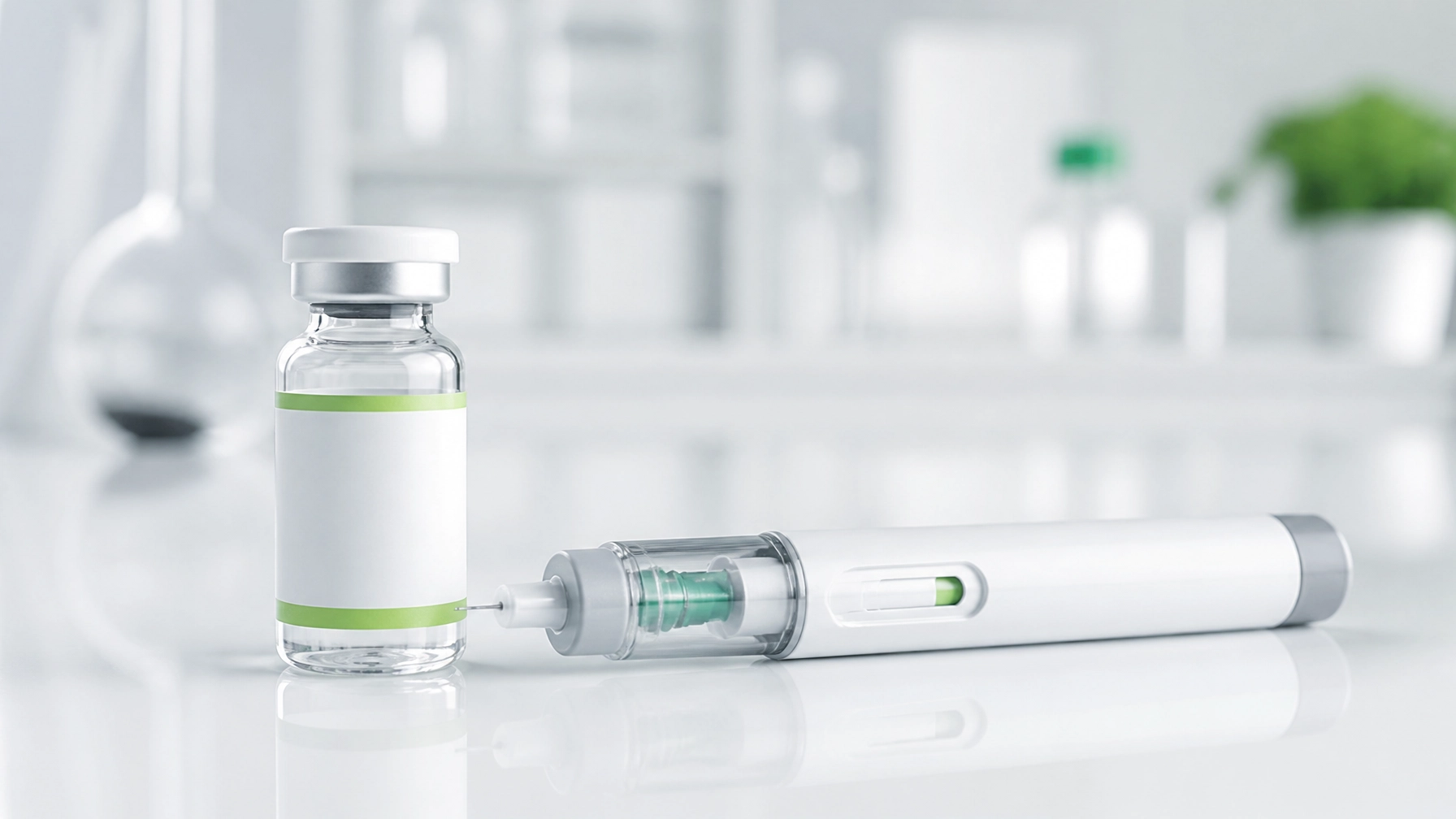
When you decide to take control of your biology, precision is your greatest ally. ARA-290 is typically administered via subcutaneous injection, as this ensures the peptide enters the bloodstream without being broken down by digestive enzymes: much like a direct courier delivery bypassing a slow postal sorting facility.
Reconstitution and Dosing
ARA-290 usually arrives as a lyophilized (freeze-dried) powder. To activate it, you must reconstitute it using Bacteriostatic (BAC) Water. This process requires a steady hand and a clear understanding of the math involved.
- Step 1: Use a Peptide Calculator to determine your exact volume.
- Step 2: Gently introduce the BAC water into the vial. Do not shake; think of the peptide as a delicate watch movement: gentle swirling is all that is needed.
- Step 3: Store the reconstituted peptide in a cool, dark environment (the refrigerator) to maintain its structural integrity.
For a detailed walkthrough on setting up your administration kit, refer to our complete peptide pen setup guide.

Regional Context: The Australian Landscape
In Australia, the pursuit of alternative medicine and peptide therapy is governed by strict quality standards. When sourcing peptides like ARA-290, you must ensure you are using pharmaceutical-grade materials. The Australian climate can also be harsh on temperature-sensitive compounds; always ensure your domestic shipping includes cold-chain logistics where necessary to prevent the peptide from "unraveling" in the heat.
Furthermore, always consult with a healthcare professional before beginning any new protocol. While ARA-290 has shown a remarkable safety profile in clinical trials: largely because it does not stimulate red blood cell production like its parent molecule EPO: medical oversight is essential for monitoring your specific condition.
[video_placeholder_2: How to safely reconstitute and store your peptides in the Australian climate]
Summary: Taking Control of the "Static"
The journey of nerve repair is a marathon, not a sprint. ARA-290 offers a unique opportunity to move beyond the "band-aid" approach of traditional medicine. By engaging the body’s innate repair mechanisms, you are providing your nervous system with the tools it needs to rebuild.
Consider this your roadmap:
- Identify the frustration: Is your pain a result of nerve damage or simple inflammation?
- Engage the repair: Utilize ARA-290 to target the Innate Repair Receptor.
- Maintain the system: Use proper reconstitution techniques and track your results to optimize your cycle.
Don't just turn down the volume on your pain. Fix the wire.


 Immune Support and Life Extension
 Shop Bioregulators & Research Chemicals for 2026 Scientific Labs
 Brain
Brain Buy Hair & Skin Care Peptides Australia – Top Quality & Best Prices
 Discover WLAustralia Peptides for Anxiety Relief & Longevity