Healing Joint Cartilage with Sigumir: Restoring Joint Mobility and Connective Tissue

A stiff knee after sitting. A shoulder that no longer moves freely. A hip that feels less reliable during exercise. Joint discomfort can start quietly, then gradually change how you walk, train, work and relax.
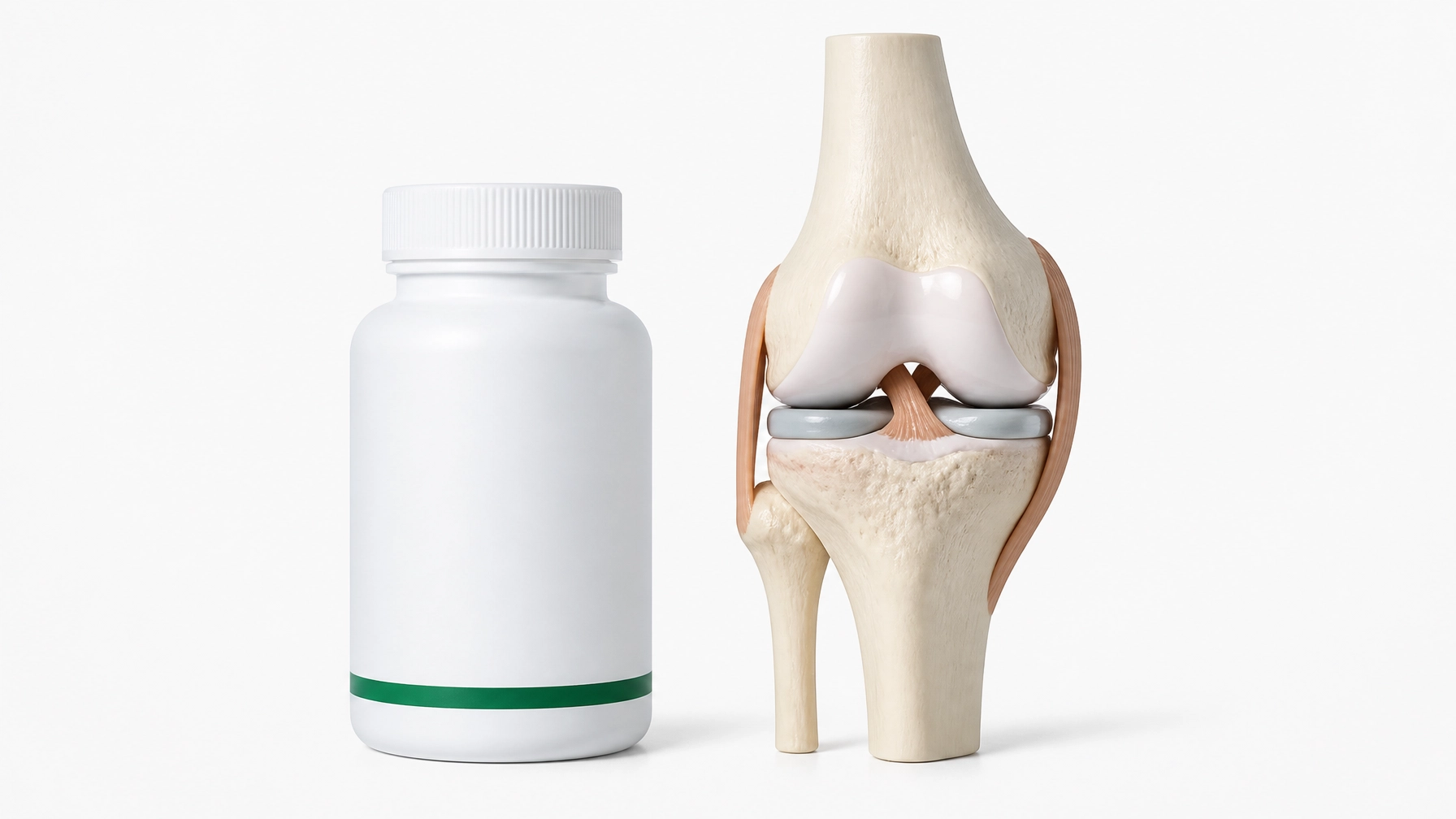
Your joints are not simple hinges. They are more like carefully engineered shock absorbers. Cartilage provides a smooth, resilient surface between bones, while muscles, tendons and ligaments help keep each joint aligned. When one part becomes weaker, the entire system can feel the strain.
This article explains the foundational chapter on Sigumir, alongside Cartalax and Gotratrix, and how these peptides are presented as part of a comprehensive joint-support strategy.
Important: This is educational information, not medical advice. WL Australia’s Cartalax product page states that it is a research chemical only: not for human use. Do not use peptide products as a substitute for diagnosis or treatment. Speak with your Australian general practitioner (GP), physiotherapist or other qualified health professional before making decisions about joint pain or any new product.
Why joint cartilage wears down
The problem: less cushioning, more friction
Healthy cartilage acts like a smooth protective coating. It helps bones glide across one another with minimal friction and absorbs some of the force created when you walk, run, climb stairs or lift weights.
Over time, cartilage may become thinner or less resilient. Contributing factors can include:
- Previous injuries
- Repetitive occupational or sporting loads
- Age-related tissue changes
- Excess body weight
- Muscle weakness or poor movement control
- Inflammatory joint conditions
Cartilage also has limited blood supply compared with many other tissues. That means repair can be slower. Once the surface becomes irritated or damaged, the joint may feel stiff, tender or less stable.
Think of cartilage as the rubber seal inside a mechanical joint. If the seal becomes worn, the surrounding parts must work harder. The answer is not always to stop moving. In fact, evidence supports appropriately prescribed exercise as a safe and useful part of managing osteoarthritis and joint symptoms.
The solution: support the whole joint system
A practical joint-health strategy should address more than discomfort. It should consider:
- Cartilage and bone tissue
- Collagen and connective-tissue structure
- Muscles surrounding the joint
- Movement quality and gradual loading
- Professional assessment when symptoms persist
The goal is not to promise instant regeneration. The goal is to create a more informed, structured approach to mobility, recovery and long-term support.
What is Sigumir?
Explore the Sigumir research and bone-health information
The foundational chapter describes Sigumir as a natural extract containing short-chain peptides associated with cartilage and bone tissue. In simple terms, these peptides are presented as signalling components that may help communicate with tissue involved in structural maintenance.
Imagine a construction site. Ordinary nutrients are like bricks, timber and tools. A tissue-specific peptide is described as more like a message from the site manager: it helps direct attention towards a particular repair process.
According to the chapter, Sigumir is intended to support:
- Cartilage tissue
- Bone tissue
- Joint structure and resilience
- Age-related connective-tissue maintenance
- Recovery following physical stress or injury
The chapter also describes Sigumir as supporting the normal activity of cartilage cells, including the production of structural proteins such as collagen and proteoglycans. These proteins help cartilage retain its strength, hydration and shock-absorbing qualities.
However, it is important to separate research interest from proven clinical treatment. The available evidence for named bioregulator products may not match the level of evidence required for an approved therapy. You should therefore treat Sigumir as a product for informed research consideration, not as a confirmed cure for osteoarthritis or damaged cartilage.

Cartalax: a targeted synthetic peptide for joint research
The chapter presents Cartalax as a synthetic peptide with the sequence Ala-Glu-Asp. “Synthetic” means it is precisely produced rather than extracted directly from tissue.
Cartalax is described as a more targeted option for joint and cartilage research. Its proposed role is to support signalling linked to:
- Cartilage maintenance
- Collagen synthesis
- Cellular repair processes
- Joint flexibility and function
Collagen is one of the body’s main structural proteins. It is like the reinforcing mesh inside concrete: it helps provide shape, strength and resistance to stress. In cartilage, collagen works with other components to create a durable but flexible matrix.
The foundational document positions Cartalax as a faster, more focused complement to Sigumir’s broader cartilage-and-bone support. That does not mean faster results are guaranteed. Individual responses vary, and human evidence for these specific products remains limited.
The Cartalax product page currently lists the product as a research chemical and explicitly states that it is not for human use. Review the product information carefully and follow all applicable Australian legal and safety requirements.
Video placeholder: Insert a short educational video explaining cartilage structure, collagen synthesis and why joint repair can be slow.
Gotratrix: strengthening the muscles around the joint
Read the Gotratrix muscle-health research article
Cartilage is only one part of joint health. The muscles around your knees, hips, shoulders and spine act like a support team. They help control movement, absorb force and keep the joint in a stable position.
The chapter describes Gotratrix as a synthetic peptide that targets muscle tissue around the joints. WL Australia’s related educational material spells the product name Gotratix and describes it as a muscle-specific bioregulator.
The proposed role of Gotratrix is to support:
- Muscle tissue function
- Strength around vulnerable joints
- Movement stability
- Recovery after physical stress
- Better support for cartilage and bone
This distinction matters. If a joint feels unstable, focusing only on cartilage is like replacing a car’s tyre while ignoring a damaged suspension system. The wheel may be new, but the ride can still be poor.
Stronger surrounding muscles may help reduce unnecessary strain during everyday movement. For example, stronger quadriceps and hip muscles can improve lower-limb control, while shoulder and upper-back strength can help support the shoulder complex.
The most established way to build this support is still progressive exercise, ideally guided by a physiotherapist. Start with manageable loads, improve technique and increase difficulty gradually. Mild discomfort that settles within a day may be acceptable for some people, but persistent pain, swelling, locking or instability needs professional assessment.
The comprehensive dual strategy for joint health
The problem: treating one tissue in isolation
Joint pain is rarely caused by one structure alone. Cartilage, bone, muscle, tendons and movement patterns interact like members of a sports team. If one player is injured, the others compensate. Eventually, the entire team becomes less efficient.
The solution: pair structural and support strategies
The foundational chapter proposes a dual approach:
- Sigumir or Cartalax: focus on cartilage and bone tissue, with Cartalax specifically associated with collagen synthesis and targeted joint signalling.
- Gotratrix: focus on the surrounding muscle tissue that helps stabilise and protect the joint.
This approach is designed to support the joint from both sides:
- Improve the structural environment : cartilage and bone
- Improve the mechanical environment : muscle strength and control
- Maintain movement : safe, appropriate loading
- Monitor recovery : track pain, range of motion and function
Peptide summary
| Peptide | Type | Primary target | Key action described in the foundational chapter |
|---|---|---|---|
| Sigumir | Natural extract | Cartilage and bone | Supports tissue repair and structural maintenance |
| Cartalax | Synthetic, Ala-Glu-Asp | Joints and cartilage | Supports rapid joint signalling and collagen synthesis |
| Gotratrix | Synthetic | Muscle tissue around joints | Supports muscle function, stability and joint support |
This is the central message: cartilage repair and muscle support work best as complementary goals. A stable joint needs both a healthy surface and a strong support system.

How to build a safer joint-support routine
Peptides should not be the first or only answer to joint pain. Begin with the fundamentals:
- Obtain a proper assessment if pain lasts more than a few weeks.
- Work with a physiotherapist on strengthening and mobility.
- Choose low-impact activity such as walking, cycling, swimming or controlled resistance training.
- Increase training volume gradually.
- Prioritise sleep, protein-rich nutrition and a healthy body weight.
- Record changes in pain, stiffness, swelling and range of motion.
- Stop and seek advice if you experience severe pain, a hot swollen joint, locking, sudden weakness or loss of function.
If you are considering Sigumir, Cartalax or Gotratrix, review the relevant WLA legal information and speak with a qualified health professional. This is especially important if you are pregnant, managing a chronic condition, taking prescription medicines or recovering from surgery.
The takeaway
Joint mobility is built through synergy. Cartilage provides the smooth surface. Bone provides the foundation. Muscles provide control and stability. Movement provides the stimulus for adaptation.
Sigumir is presented as a natural cartilage-and-bone peptide extract. Cartalax is presented as a synthetic, targeted peptide associated with joint repair and collagen synthesis. Gotratrix is presented as a synthetic muscle-support peptide for the tissues surrounding the joint.
Together, they describe a comprehensive research framework: repair the structure, strengthen the support system and maintain safe movement.
Stay consistent. Stay informed. Prioritise professional oversight. That is how you take control of your joint-health strategy without confusing promising research with proven medical treatment.
Video placeholder: Insert a practical physiotherapy video demonstrating safe, progressive exercises for knee, hip or shoulder stability.

 Immune Support and Life Extension
 Shop Bioregulators & Research Chemicals for 2026 Scientific Labs
 Brain
Brain Buy Hair & Skin Care Peptides Australia – Top Quality & Best Prices
 Discover WLAustralia Peptides for Anxiety Relief & Longevity