
How to Choose the Right Organ-Specific Peptide: Matching Bioregulators to Your Health Concerns

Choosing a peptide can feel like trying to find the right tool in a large toolbox. One product may be described as supporting the thymus, another the blood vessels, and another the brain. The key question is simple: which biological system are you trying to study or support?
The foundational model behind organ-specific peptides is based on a key-and-lock analogy. Each peptide is presented as a small biological “key” designed to interact with a particular tissue or cellular pathway. A thymus-focused peptide is not intended to perform the same role as a vascular or brain-focused peptide.
However, you should treat this model as a research framework: not as proof of a guaranteed medical effect. Many Khavinson-style bioregulators have limited human evidence, and organ-specific action has not been fully confirmed in living humans through modern, independent clinical trials.
Important Australian safety note: WL Australia product pages identify these materials as research chemicals only: not for human use. They are not substitutes for diagnosis, treatment or advice from a registered healthcare professional. Before considering any compound, discuss your health concerns, medications and medical history with your doctor or pharmacist.
Start With the Health Concern, Not the Product
The problem: choosing by popularity
It is easy to see a peptide mentioned online and assume it is suitable for you. That approach is like choosing a car part without checking which engine it belongs to. The product may be interesting, but it may not match your actual goal.
The solution: identify the system first
Begin with the broad physiological system connected to your concern:
- What symptom or goal are you investigating?
- Which organ or system may be involved?
- What conventional assessments should be completed first?
- Is the peptide supported by credible evidence for that purpose?
- Is the product legally supplied and appropriately regulated for your intended use?
Fatigue, for example, may involve sleep, nutrition, thyroid function, iron status, infection, stress or several systems at once. It is not automatically an endocrine problem.
Use organ mapping as a way to organise questions: not as a way to self-diagnose.
How the Key-and-Lock Model Works
Peptides are short chains of amino acids. In the bioregulator model, they act like small messages delivered to cells. The message may influence protein production or cellular activity, much like a supervisor giving instructions at a construction site.
The foundational document describes these peptides as influencing gene expression. Gene expression means the process by which cells use DNA instructions to produce proteins. A peptide may be compared with a bookmark in a cookbook: it does not rewrite the recipe, but it may help the cell locate and use a particular instruction.
That is the theory.
The important limitation is that a tissue-specific effect observed in laboratory models does not automatically prove that a product will travel to, bind to or repair one specific organ in a human body. Your biology is an interconnected network, more like a sports team than a row of isolated players.
Video placeholder 1 : The key-and-lock model
Insert a 60–90 second explainer showing how organ-specific peptides are described, including the difference between a research hypothesis and a clinically proven treatment.
The Main Organ-Specific Matches
1. Immune system and thymus: Vladonix or Crystagen
The problem: immune function can change with age, prolonged stress, illness or medical treatment. The thymus, a gland behind the breastbone, helps immature T cells develop. T cells are white blood cells involved in identifying and responding to threats.
The research model: the thymus is treated as an immune training academy. In the foundational document:
- Vladonix is described as a thymus-derived natural extract, or Cytomax.
- Crystagen is described as a short synthetic peptide, or Cytogen, associated with immune and thymus support.
The proposed goal is to support immune-cell signalling and thymic function. You should not interpret this as proof that either product prevents infections, replaces vaccination or treats immune disease.
You can read more about the Vladonix research listing and the free Khavinson peptides guide.

2. Vascular system: Ventfort or Vesugen
The problem: your blood vessels are the body’s transport network. They deliver oxygen, nutrients and hormones, while carrying waste products away. Stiffness or damage in the vascular system can affect circulation and place extra demands on the heart.
The research model: think of your blood vessels as flexible roadways. The inner lining, called the endothelium, acts like the road surface and traffic-control system. It helps regulate blood flow and communication between blood and vessel walls.
The foundational document maps:
- Ventfort to vascular tissue and blood-vessel support.
- Vesugen to a synthetic vascular peptide associated with endothelial and cellular research.
The Vesugen product page describes the material as a research chemical and states that it is not for human use. Do not use a vascular peptide to self-treat high blood pressure, chest pain, circulation problems or suspected atherosclerosis. Those concerns require proper medical assessment.

3. Brain and nervous system: Cerluten or Pinealon
The problem: brain fog, poor concentration and disrupted sleep can be frustrating. But cognitive symptoms may result from sleep disorders, medication effects, mood conditions, nutritional deficiencies or neurological disease.
The research model: your brain is like a high-performance communications network. Neurons are the phones, synapses are the connections and supporting cells keep the network supplied and maintained.
The document maps:
- Cerluten to brain and central nervous system tissue as a natural extract.
- Pinealon to a short synthetic peptide associated with brain and pineal research.
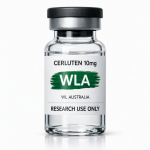
The Cerluten research listing should be reviewed alongside independent evidence. Current research on Pinealon and related compounds remains limited. Neither should be treated as a proven therapy for memory loss, dementia, depression or insomnia.
Start with the basics: consistent sleep, medication review, blood tests where appropriate and a medical assessment for persistent or worsening symptoms.
The Khavinson Protocol and the Pineal Gland
The problem: treating several systems without a foundation
The endocrine system is a network of glands that produce hormones. These hormones influence sleep, metabolism, stress responses, reproduction and growth. Trying to change one hormone without considering the wider network can create confusion.
The proposed solution: begin with the pineal gland
The Khavinson Protocol, as described in the foundational document, often begins with the pineal gland using Endoluten. The pineal gland is a small structure in the brain that helps regulate melatonin, a hormone involved in the sleep–wake cycle.
Think of the pineal gland as the conductor of a biological orchestra. It does not play every instrument, but it helps set the timing. In theory, supporting pineal function may help coordinate sleep and broader endocrine rhythms.
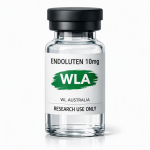
The Endoluten product listing is labelled for research only. Evidence for pineal bioregulators includes older studies and reports, but modern independent clinical validation is limited. Do not assume that Endoluten will correct a hormone imbalance or replace melatonin, thyroid treatment or other prescribed care.
Video placeholder 2 : The pineal–endocrine connection
Insert a clinician-reviewed video explaining circadian rhythm, melatonin and why endocrine symptoms require proper assessment before any experimental compound is considered.
A Practical Health-Concern Map
Use the following table as a conversation starter with a qualified healthcare professional.
| Health concern or system | Bioregulators described in the foundational document | What to clarify first |
|---|---|---|
| Immune system and thymus | Vladonix or Crystagen | Recurrent infections, medications, autoimmune history and vaccination status |
| Cardiovascular system | Ventfort or Vesugen; heart-focused examples include Cardiogen or Chelohart | Blood pressure, cholesterol, family history and cardiovascular symptoms |
| Nervous system and brain | Cerluten or Pinealon | Sleep, mood, medication effects, nutrition and neurological symptoms |
| Endocrine system | Endoluten as a pineal-focused starting point | Thyroid, glucose, reproductive hormones and sleep patterns |
| Digestive system | Organ-specific digestive or pancreatic bioregulators may be described in the wider literature | Persistent pain, bleeding, weight loss, reflux and bowel changes |
| Musculoskeletal system | Bone, marrow, cartilage or ligament-focused materials may be described in bioregulator protocols | Injury diagnosis, bone density, inflammation and physical examination |
| Respiratory system | Respiratory-focused bioregulators, including Bronchogen in wider product education | Asthma, infection, smoking history and breathing difficulty |
| Liver and detoxification | Liver-focused bioregulators may be described in the wider literature | Liver enzymes, alcohol intake, medications and viral hepatitis risk |
| Kidney function | Kidney-focused bioregulators may be described in the wider literature | Kidney function tests, blood pressure, hydration and urinary symptoms |
The table is a map, not a prescription. A symptom may belong to more than one system, and a peptide marketed for an organ is not automatically suitable for a diagnosed condition.
How to Make a Safer Decision
The problem: promising claims can sound like established science
Words such as “regeneration,” “rejuvenation” and “gene switch” can make an experimental compound sound clinically proven.
The solution: use a three-level evidence check
Before you move forward, ask:
- Mechanism: Is there a plausible laboratory explanation?
- Clinical evidence: Are there well-designed, independent human trials?
- Regulatory status: Is the product approved for the intended use in Australia?
You should also check for:
- Third-party identity and purity testing
- Clear storage and handling information
- Potential interactions with medicines
- A plan for monitoring symptoms and relevant blood markers
- Professional oversight from an Australian-registered practitioner
Do not combine several experimental compounds at once. If something changes, you will not know which product caused the effect. One variable at a time is the basic rule.
The Takeaway
Organ-specific peptides are best understood as a research concept built around targeted biological signalling. The foundational model presents each peptide as a key for a particular lock: Vladonix or Crystagen for immune and thymus research, Ventfort or Vesugen for vascular research, Cerluten or Pinealon for brain research, and Endoluten for pineal and endocrine research.
That framework can help you ask better questions. It cannot replace diagnosis, medical care or regulatory approval.
Start with your health concern. Identify the relevant system. Check the evidence. Confirm the legal and safety status. Then seek professional guidance before making any decision.
Good research is targeted. Responsible health decisions are monitored. Progress depends on evidence, safety and consistency.
For further reading, explore WL Australia’s Khavinson peptides guide or browse the research materials shop. You can also review published background research on pineal peptides through PubMed and check Australian therapeutic-goods information through the Therapeutic Goods Administration.

 Immune Support and Life Extension
 Shop Bioregulators & Research Chemicals for 2026 Scientific Labs
 Brain
Brain Buy Hair & Skin Care Peptides Australia – Top Quality & Best Prices
 Discover WLAustralia Peptides for Anxiety Relief & Longevity