SANA (5-(2-Nitroethenyl)Salicylic Acid): The Breakthrough Compound for Fat Loss and Metabolic Health

Are you frustrated by stubborn fat pockets that refuse to budge despite rigorous dieting and intense exercise? You are not alone. Millions of Australians face a frustrating biological bottleneck when trying to optimize their metabolic health: standard fat-loss approaches rely heavily on calorie restriction or nervous-system stimulants that leave you exhausted, wired, and prone to rebound weight gain.
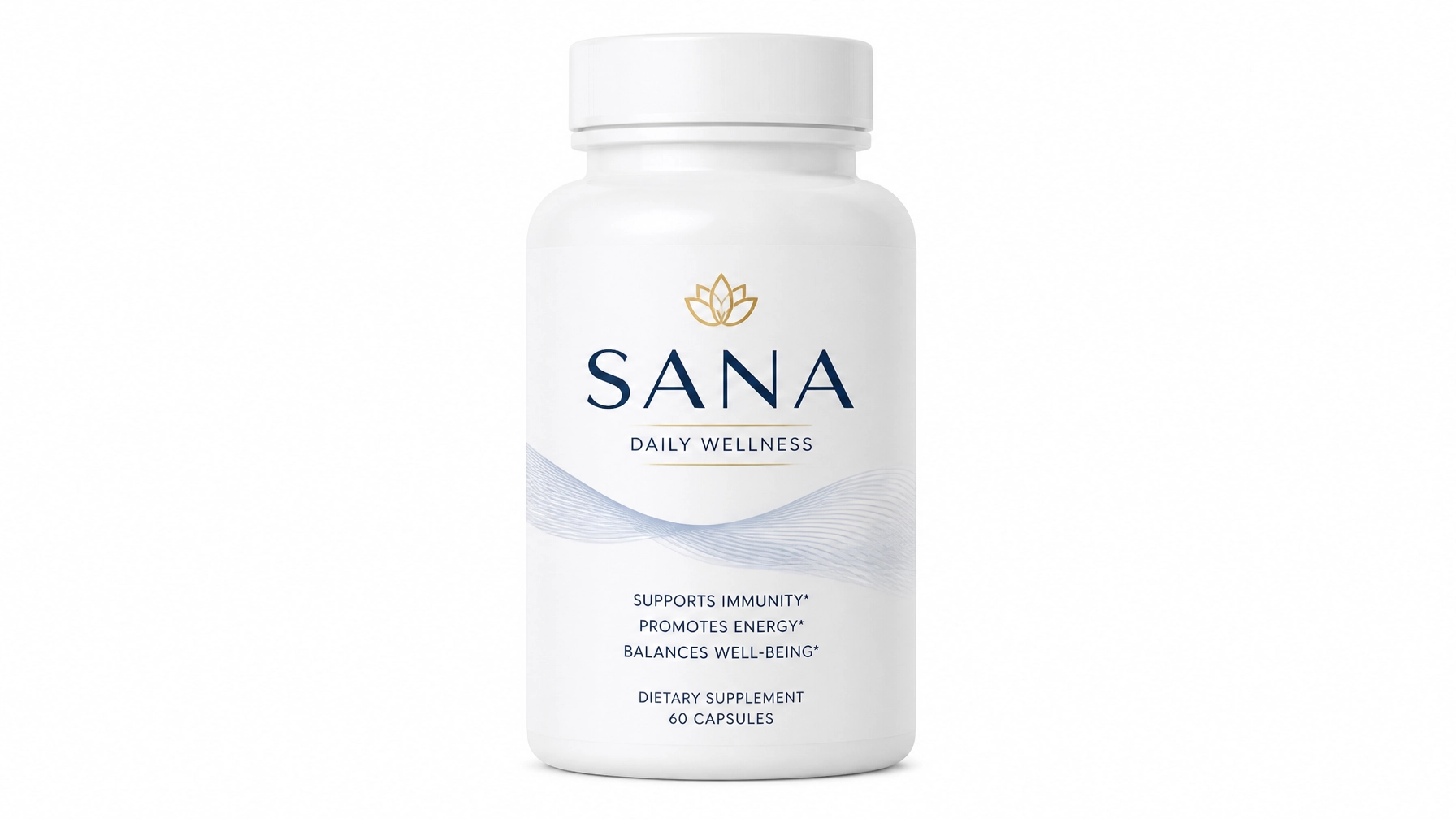
In this comprehensive guide, you will learn about SANA (5-(2-nitroethenyl)salicylic acid), a groundbreaking small-molecule compound that approaches fat loss and metabolic optimization from an entirely new angle. Instead of starving your body or over-stimulating your heart, SANA turns your fat tissue into a natural furnace by targeting creatine-dependent thermogenesis.
Focus on understanding how this revolutionary agent works, how it compares to traditional thermogenics, and how you can safely navigate metabolic enhancement under Australian standards.
1. The Metabolic Bottleneck: Why Traditional Weight Loss Stalls
The Problem: The Exhausted Car Engine
Think of your metabolism like a car engine. When you cut calories drastically, your body perceives a famine: akin to running on low fuel. It slams on the brakes, slowing down your resting metabolic rate to conserve energy. Traditional fat burners attempt to force the engine to rev faster by flooding your nervous system with harsh stimulants (like high-dose caffeine or adrenergic agonists). This creates jitteriness, spikes your blood pressure, and inevitably leads to burnout and metabolic adaptation.
The Solution: Targeted Cellular Optimization
To break through this plateau, you need a mechanism that increases energy expenditure directly at the cellular level without redlining your nervous system. SANA (5-(2-Nitroethenyl)Salicylic Acid) offers a paradigm shift. Rather than forcing starvation or inducing nervous panic, SANA acts locally within adipose (fat) tissue to burn excess energy as heat.
Consider this table comparing conventional fat loss methods with SANA’s cellular approach:
| Metric | Traditional Stimulants | Calorie Restriction | SANA (5-(2-Nitroethenyl)Salicylic Acid) |
|---|---|---|---|
| Primary Mechanism | Central nervous system stimulation | Energy deficit via reduced intake | Localized adipose thermogenesis (heat production) |
| Appetite Impact | Often suppresses temporarily | Causes extreme hunger and cravings | Does not primarily suppress appetite |
| Cardiovascular Stress | High (raises heart rate and blood pressure) | Minimal | Minimal (acts locally in fat tissue) |
| Metabolic Adaptation | Triggers severe metabolic slowdown | Triggers severe conservation mode | Promotes energy expenditure and mitochondrial respiration |
Core Principle: True biological optimization requires metabolic synergy, not brute-force deprivation.
2. What is SANA and How Does It Work?

The Problem: Understanding Complex Chemical Architecture
When encountering a novel research compound like SANA (5-(2-nitroethenyl)salicylic acid), it is easy to feel overwhelmed by chemical nomenclature. What does "nitroethenyl salicylate" actually mean for your biology?
The Solution: Demystifying the Chemistry
SANA is a specialized nitroalkene derivative of salicylic acid. Structurally engineered as 5-(2-nitroethenyl)salicylic acid, it is up to 40-fold more potent than standard salicylate while avoiding the typical gastrointestinal side effects associated with raw NSAIDs (Non-Steroidal Anti-Inflammatory Drugs).
When you ingest SANA capsules, the compound travels through your digestive system and homes in on adipose depots. Unlike classical brown-adipose-tissue activators that rely entirely on UCP1 (Uncoupling Protein 1), SANA operates independently of UCP1.
[Video: SANA Mechanism and Creatine Thermogenesis]
The Construction Site Analogy: The Creatine Futile Cycle
Imagine your fat cells as a bustling construction site. Normally, energy (ATP – Adenosine Triphosphate) is carefully managed to build structures. SANA acts like an overseer that introduces a "futile cycle" involving creatine and phosphocreatine.
- The Cycle: Creatine and phosphocreatine are repeatedly interconverted back and forth.
- The Energy Cost: This continuous cycling consumes massive amounts of ATP without building anything.
- The Result: The wasted ATP is safely dissipated as heat (thermogenesis).
This creatine-dependent thermogenesis burns stored triglycerides in your fat cells, directly shrinking adipose mass and boosting overall energy expenditure.
3. Beyond Fat Loss: Insulin Sensitivity and Liver Steatosis

The Problem: The Toxic Spillover of Ectopic Fat
When your subcutaneous fat storage capacity is overwhelmed, excess lipids begin spilling over into visceral organs: most notably your liver: leading to NAFLD (Non-Alcoholic Fatty Liver Disease or liver steatosis) and severe insulin resistance. Your cells become like jammed locks where insulin (the key) can no longer open glucose channels, leaving your blood sugar chronically elevated.
The Solution: Clearing Cellular Clutter
By stimulating mitochondrial respiration and clearing excess lipids from visceral depots, SANA provides profound metabolic rehabilitation:
- Reducing Liver Steatosis: Clinical and pre-clinical data show that SANA significantly decreases hepatic lipid accumulation, lifting the heavy burden off your liver.
- Restoring Insulin Sensitivity: As ectopic fat is oxidized, cellular receptor sensitivity rebounds. Your cells can efficiently uptake glucose again, stabilizing energy levels throughout the day.
Explore our curated selection of advanced wellness tools on our Featured Products Category to support your metabolic journey.
Core Principle: True recovery begins when visceral organs are liberated from lipid congestion and cellular communication is restored.
4. Practical Application, Dosing Protocols, and Australian Safety Standards

The Problem: Navigating Dosage and Regulatory Compliance
Because SANA is an advanced research compound, improper handling or guesswork can lead to suboptimal results or compliance oversights. In Australia, the Therapeutic Goods Administration (TGA) maintains strict guidelines regarding research chemicals and innovative therapeutics. You must approach every protocol with academic rigor and absolute safety in mind.
The Solution: Structured Guidance and Precision
To ensure you maximize the benefits of your research protocols while staying fully compliant, follow these structured steps:
- Calculate with Precision: Always use standardized calculation tools like our Reconstitution Calculator when managing research liquids, or refer to precise capsule sizing guides.
- Map Your Protocol: Utilize our Research Dosage Worksheet to track daily intake, timing, and physiological responses meticulously.
- Consult Experts: If you have questions about compound sourcing, purity testing, or legal frameworks in Australia, reach out directly through our Contact Us Page or speak with qualified medical professionals.
[Video: Metabolic Health and Adipose Tissue Optimization]
5. Summary and Your Action Plan for Metabolic Mastery
You have now journeyed from the foundational frustrations of weight-loss plateaus to the sophisticated cellular mechanics of SANA (5-(2-nitroethenyl)salicylic acid). By harnessing creatine-dependent thermogenesis, improving insulin sensitivity, and reducing liver steatosis, SANA represents a monumental leap forward in metabolic science.
Your 3-Step Action Plan:
- Assess Your Baseline: Review your current metabolic markers, diet, and training intensity.
- Prioritize Optimization: Focus on sustainable cellular synergy rather than harsh stimulants or starvation diets.
- Stay Informed: Keep learning by exploring our educational resources, and always consult a licensed healthcare practitioner before introducing novel research compounds into your regimen.
Take control of your biology today, unlock your metabolic potential, and experience true cellular optimization.

 Immune Support and Life Extension
 Shop Bioregulators & Research Chemicals for 2026 Scientific Labs
 Brain
Brain Buy Hair & Skin Care Peptides Australia – Top Quality & Best Prices
 Discover WLAustralia Peptides for Anxiety Relief & Longevity