

The Science of Peptide Stability: pH, Charge & Solubility

You are about to enter the "engine room" of peptide research. Think of a peptide like a high-performance sports car: if the fuel mixture (your solvent) isn't exactly right, the engine won't just run poorly: it might seize up entirely.
In this first installment of our Advanced Reconstitution & Stability Series, you will learn why the relationship between pH, molecular charge, and solubility is the difference between a successful research project and a vial of wasted, cloudy gel. Consider this your mentor-led guide to mastering the invisible physics that happen the moment your water hits that powder.
The "Lego" Foundation: Amino Acids and Electrical Charge
At its most basic level, a peptide is a chain of amino acids, much like a series of Lego bricks snapped together. However, unlike plastic bricks, these "biological Legos" have an electrical charge. Some are positively charged, some are negative, and some are neutral (the "wallflowers" of the molecular party).
The Problem: If you don't account for these charges, your peptide may clump together (aggregate) because like-charges aren't repelling each other enough to stay suspended in the water.
The Solution: You must ensure the environment (the pH of your liquid) encourages these charges to stay active.
- Positively Charged Residues: Think of these as the "North" end of a magnet.
- Negatively Charged Residues: The "South" end.
- Net Charge: This is the "sum" of all the pluses and minuses on your peptide chain.
When you reconstitute using quality supplies from our shop, you are trying to find the "sweet spot" where the net charge is strong enough to keep the molecules pushing away from each other, ensuring they stay dissolved and ready for work.
The Isoelectric Point (pI): Avoiding the "Dead Zone"
Every peptide has a specific pH level called the Isoelectric Point (pI). Think of this as the "Neutral Zone."
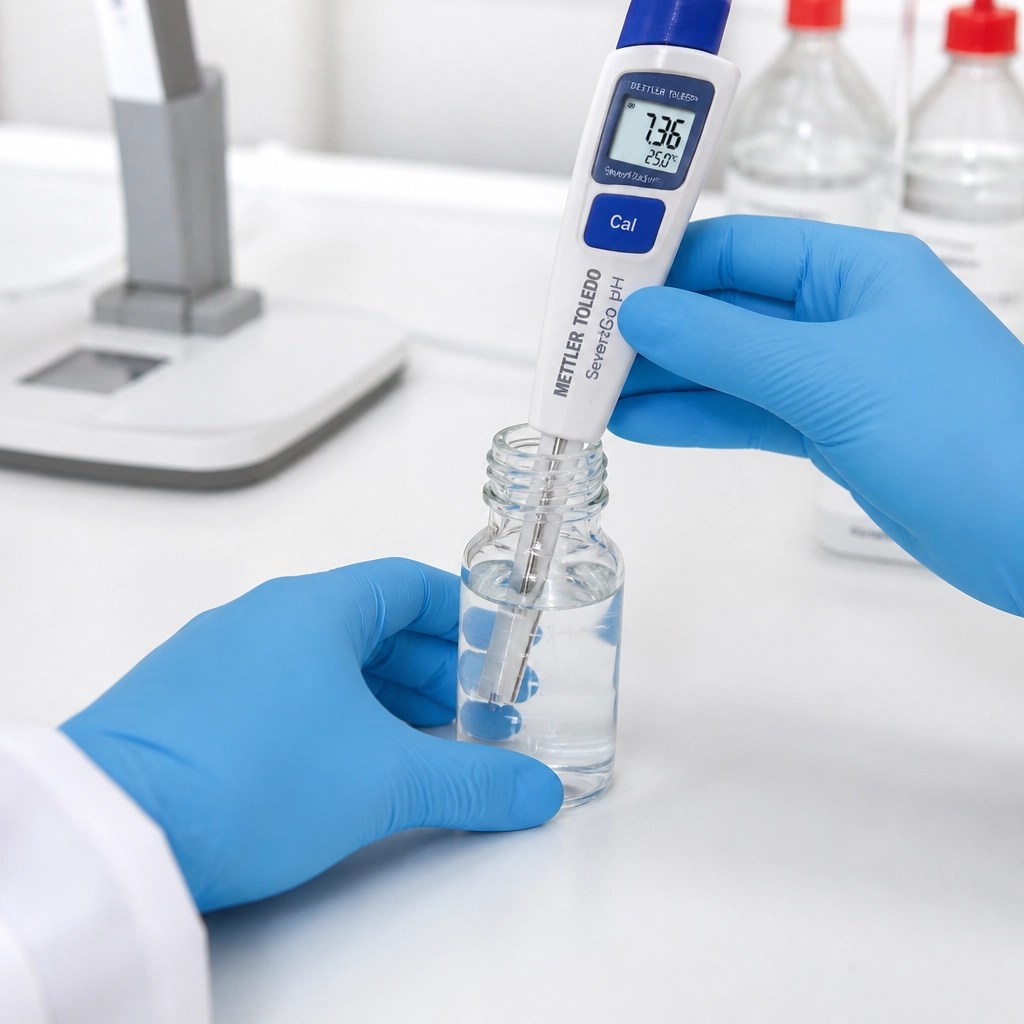
At the pI, the positive and negative charges on the peptide perfectly cancel each other out. The net charge becomes zero. Without a charge to push them apart, the peptide molecules "snuggle" together and fall out of the solution, creating a cloudy mess.
Focus on this rule: To keep your peptide soluble, you generally want your solvent’s pH to be at least 1.0 to 2.0 units away from the peptide's pI.
- If your peptide's pI is 5.0, you don't want your liquid to be pH 5.0.
- Aim for a pH of 3.0–4.0 (acidic) or 7.0 (neutral/slightly basic) to keep the "electrical magnets" working.
Hydrophobicity: The Oil and Water Struggle
Not all parts of a peptide want to be in the water. We call these sections hydrophobic (water-fearing) and hydrophilic (water-loving). It’s like a zipper where some teeth are made of plastic and others are made of oil.
The Challenge: If more than 50% of your peptide chain consists of "water-fearing" amino acids (like Leucine or Valine), it won't want to dissolve in standard bacteriostatic water. It will act like a drop of oil in a glass of water: clumping up to avoid the liquid.
Practical Tip for Predicting Solubility:
- Check your certificate of analysis: Look for the percentage of hydrophobic residues.
- Short chains (under 10 amino acids): Usually easier to manage, even if they are a bit "shy" of water.
- Long chains: These are more complex. They can fold into themselves like biological origami, hiding their "water-loving" parts on the inside and leaving the "water-fearing" parts on the outside.
If you find yourself with a hydrophobic peptide, you may need a "bridge" solvent, which we will cover in the "pH Adjustment Protocols" section of this series.
Why pH Matters for Folding (Biological Origami)
Imagine trying to fold a complex paper crane while someone is shaking the table. That’s what happens when the pH is wrong.
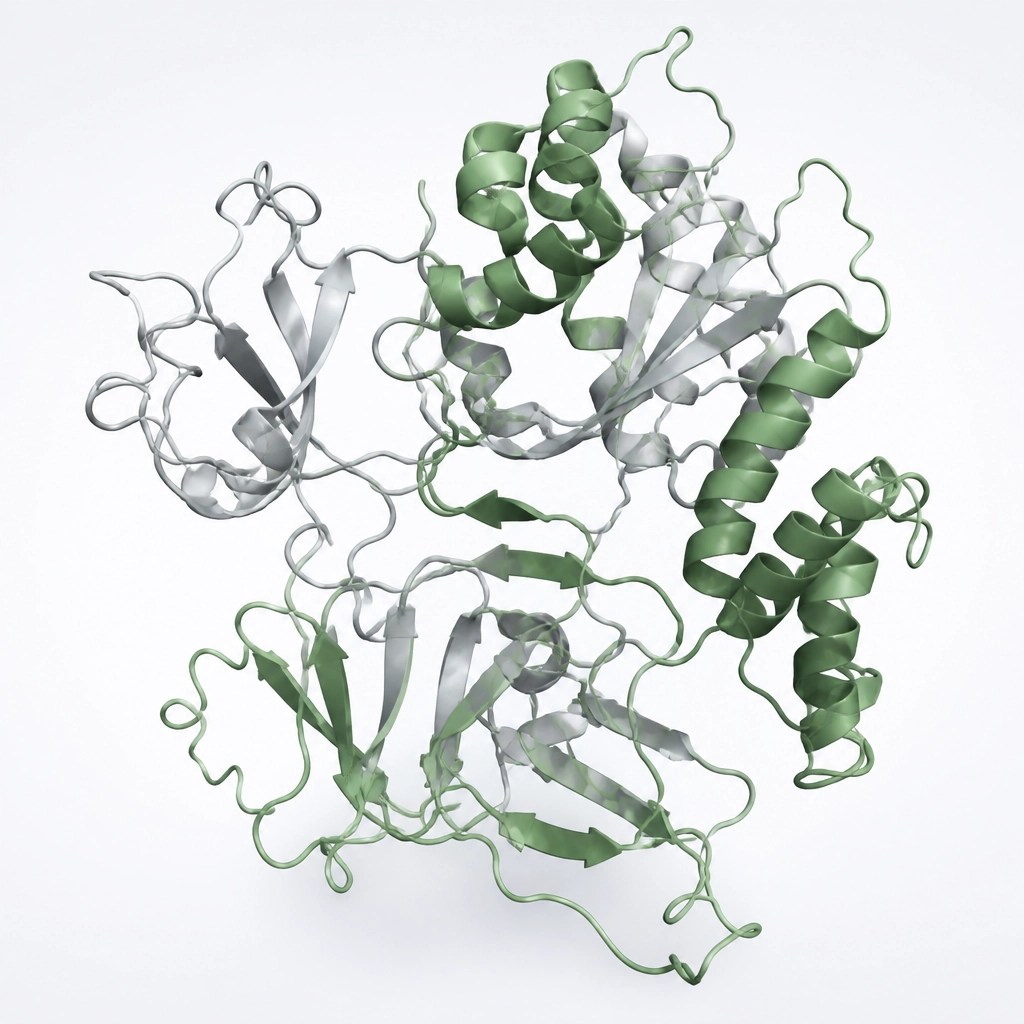
A peptide isn't just a straight string; it’s a 3D shape. The pH of the environment determines how that string folds. If the pH is too high or too low, the "origami" unfolds (denatures). Once it unfolds, it’s often broken for good. It loses its biological "handshake": the ability to interact with the receptors in your research model.
In the Australian climate, where temperatures can fluctuate, maintaining this structural integrity is even more critical. Always use our reconstitution calculator to ensure your ratios are precise, which helps stabilize the environment for these delicate folds.
Summary Table: Solubility Cheat Sheet
| Peptide Feature | Impact on Solubility | Recommended Strategy |
|---|---|---|
| High Net Charge | High (Good) | Use standard Bacteriostatic Water. |
| Near pI (Neutral) | Very Low (Bad) | Adjust pH away from pI (up or down). |
| >50% Hydrophobic | Low (Difficult) | May require dilute Acetic Acid or DMSO. |
| Long Chains | Variable | Requires patience and gentle "wall trick" mixing. |
Visual Inspection: Success vs. Failure
You can often tell if you’ve respected the science of pH and charge just by looking at the vial. A "happy" peptide solution is crystal clear: like the purest mountain spring. An "unhappy" solution, where the charges have failed, will look like diluted milk or have tiny "snowflakes" floating in it.
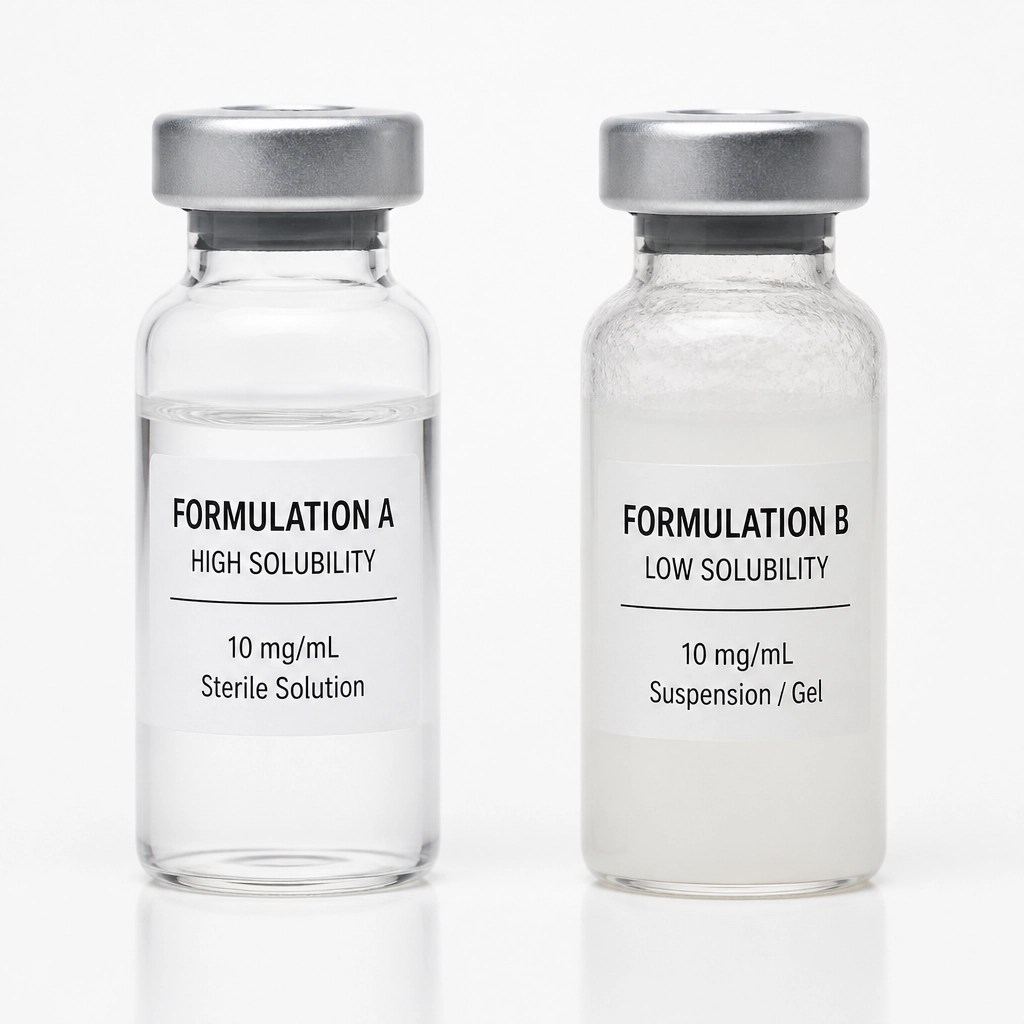
Consider this: If your vial is cloudy, do NOT shake it. Shaking is like putting your delicate paper origami into a blender. In our next article, we will discuss the "Shear Force" and why swirling is your only friend in the lab.
Practical Safety and Local Excellence
As a researcher in Australia, you are held to high standards of precision. It is your responsibility to ensure that your lab environment is sanitized and your protocols are grounded in chemistry, not guesswork.
Always keep your workspace organized and your PPE ready. Before you even pop the cap off a vial, you should know its pI and its hydrophobic percentage. This isn't just about "getting it to dissolve"; it's about preserving the life and potency of the molecule.
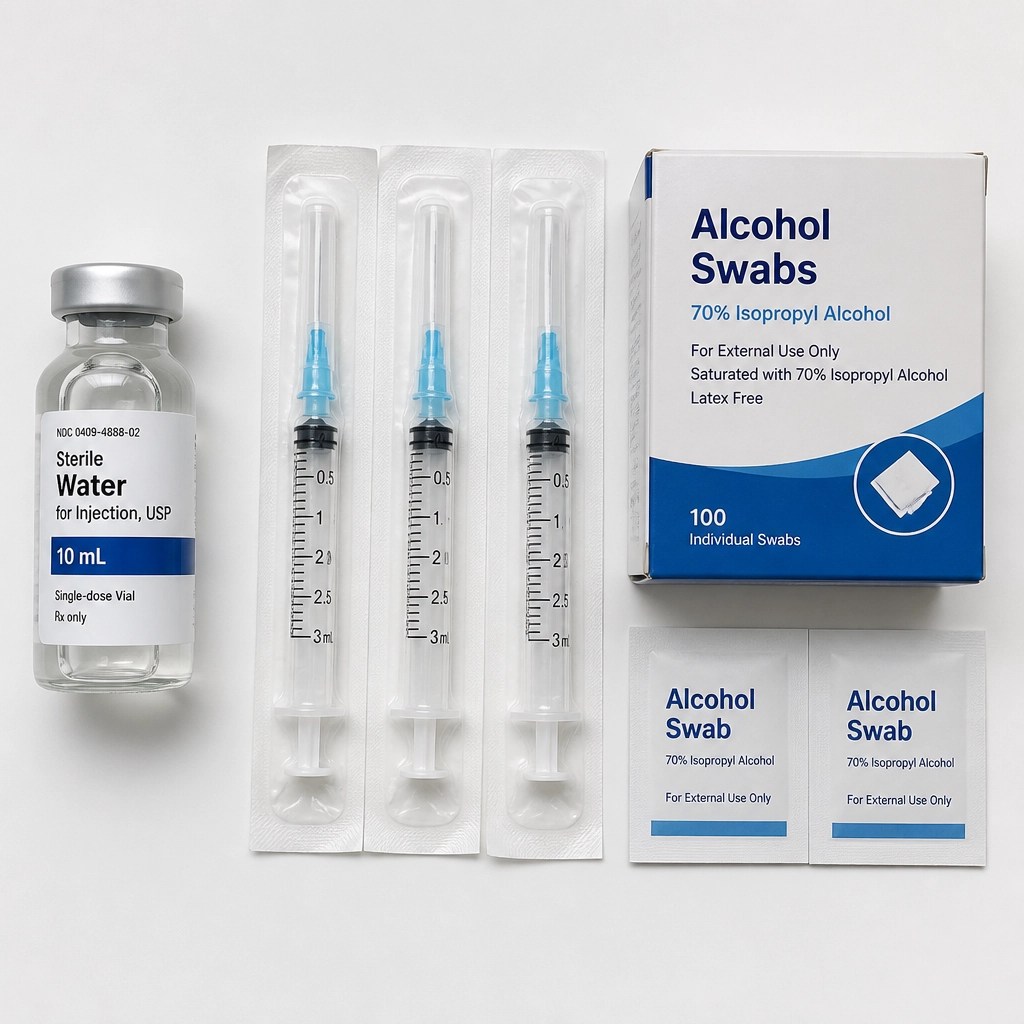
Unlock your potential by respecting the chemistry. When you treat your peptides with the clinical respect they deserve, your research data becomes more reliable, more reproducible, and ultimately, more valuable.
Stay tuned for Article 2, where we break down the specific differences between Bacteriostatic and Sterile Water and how to test your water's pH before it touches your research materials.


 Are Scientific Research Immune Support Products Effective?
 Are Research Chemicals & Bioregulators the Future of Scientific Labs 2026?
 Brain
Brain Are Skin & Hair Care Products Australia the Best Choice for You?
 WL Australia Peptides for Anxiety & Longevity Research Support


