Dalargin vs BPC-157: Comparing Peptides for Gut Health and Gastrointestinal Repair

When dealing with chronic gastrointestinal discomfort, navigating the world of advanced recovery compounds can feel like standing in front of a complex car engine without a manual. You will learn how two standout research peptides: Dalargin and BPC-157 (Body Protection Compound-157): stack up against each other for gut health and gastrointestinal (GI) repair.
Focus on understanding that your digestive tract functions much like a high-speed construction site. When inflammation, stress, or dietary irritants breach the mucosal barrier, the site suffers structural damage. Without the right foreman and building blocks, repairs stall. In this comprehensive comparison, you will discover the mechanisms, evidence levels, and practical applications of Dalargin and BPC-157 to take control of your biological optimization journey.
1. The Core Problem: Navigating the Frustration of Slow Gut Recovery
The Frustration
You experience persistent digestive distress, bloating, or mucosal irritation that refuses to resolve through diet alone. Traditional interventions often manage symptoms rather than rebuilding the structural integrity of your intestinal lining.
The Solution
By utilizing targeted restorative peptides, you can signal your cells to accelerate mucosal healing, reinforce tight junctions, and restore microcirculation. Think of these peptides as specialized engineering crews sent directly to damaged sectors of your gut wall.
- Targeted Signaling: Stimulates rapid cellular migration over lesions.
- Barrier Reinforcement: Tightens the cellular "zippers" guarding your bloodstream against toxins.
- Blood Flow Restoration: Promotes the creation of new blood vessels (angiogenesis) to nourish starving tissue.
Expert Insight: In the context of Australian health standards and stringent TGA (Therapeutic Goods Administration) oversight, understanding research compounds requires strict adherence to safety protocols and medical guidance. Always consult a qualified healthcare professional before incorporating experimental agents into your regimen.
2. Meet the Contenders: Dalargin vs. BPC-157
To make an informed decision, let's examine what each peptide brings to the workbench.
Dalargin: The Legacy Cytoprotective Peptide
Dalargin is a synthetic analogue of Leu-enkephalin (an endogenous opioid peptide). Historically investigated in Soviet-era pharmacology, Dalargin acts primarily as an opioid receptor agonist with anti-stress and anti-ulcer properties.
- Primary Mechanism: Modulates stress-induced gastric mucosal injury and enhances mucosal blood flow through central and peripheral pathways.
- Evidence Base: Mostly older preclinical and small clinical trials focusing on stress ulcers and ischemia.
BPC-157: The Modern Gastric Powerhouse
BPC-157 is a stable gastric pentadecapeptide (a chain of 15 amino acids) originally isolated from human gastric juice. It is widely recognized as a prototype of Robert's cytoprotection, setting the gold standard for modern GI repair research.
- Primary Mechanism: Upregulates vascular endothelial growth factor (VEGF), promotes nitric oxide (NO) synthesis, and directly repairs tight-junction proteins like ZO-1 (Zonula Occludens-1).
- Evidence Base: Extensive modern preclinical literature (>100 studies) covering NSAID-induced enteropathy, colitis, ulcers, and early inflammatory bowel disease (IBD) trials.

3. Head-to-Head Comparison: Mechanisms and Evidence
| Feature | BPC-157 | Dalargin |
|---|---|---|
| Peptide Class | Gastric pentadecapeptide, cytoprotective | Enkephalin analogue (opioid peptide) |
| Primary Gut Action | Mucosal repair, angiogenesis, tight-junction preservation | Stress-ulcer and gastric injury mitigation |
| Evidence Depth | Extensive modern preclinical and early human IBD data | Sparse, older preclinical and legacy anti-ulcer data |
| Barrier Integrity | Direct upregulation of tight-junction proteins (ZO-1) | Minimal modern data on intestinal permeability |
| Current Standing | Widely regarded as the lead research peptide for GI repair | Niche or legacy status in mainstream protocols |
Consider this comparison like evaluating two different tools in a toolbox: BPC-157 acts as a heavy-duty hydraulic press engineered specifically for complete structural reconstruction of the GI tract, while Dalargin functions like a specialized shock absorber designed primarily to buffer stress-induced gastric damage.
4. Visualizing Biological Repair: How They Work in Your Gut
When your gut lining experiences micro-tears: often exacerbated by modern dietary stressors, intense physical exertion, or environmental toxins common in urban Australian lifestyles: the body initiates an inflammatory cascade.
[Inflammatory Stress / NSAID Damage]
        ↓
[Compromised Intestinal Epithelium ("Leaky Gut")]
        ↓
[Targeted Peptide Intervention (BPC-157 / Dalargin)]
        ↓
[Angiogenesis & Tight-Junction Repair]
        ↓
[Restored Mucosal Barrier Function]
Video Demonstration: Understanding Peptide Mechanics
[Video Placeholder: Watch our expert breakdown of peptide-mediated gastrointestinal repair and cellular signaling pathways]
Video Demonstration: Practical Research Protocols
[Video Placeholder: Comprehensive guide on peptide handling, reconstitution, and laboratory safety standards]

5. Practical Safety, Regulation, and Maintenance
The Problem
Experimental compounds carry inherent regulatory complexities and potential side effects if handled without clinical oversight. In Australia, research peptides are subject to rigorous regulatory frameworks.
The Solution
Prioritize safety, legal compliance, and medical oversight above all else.
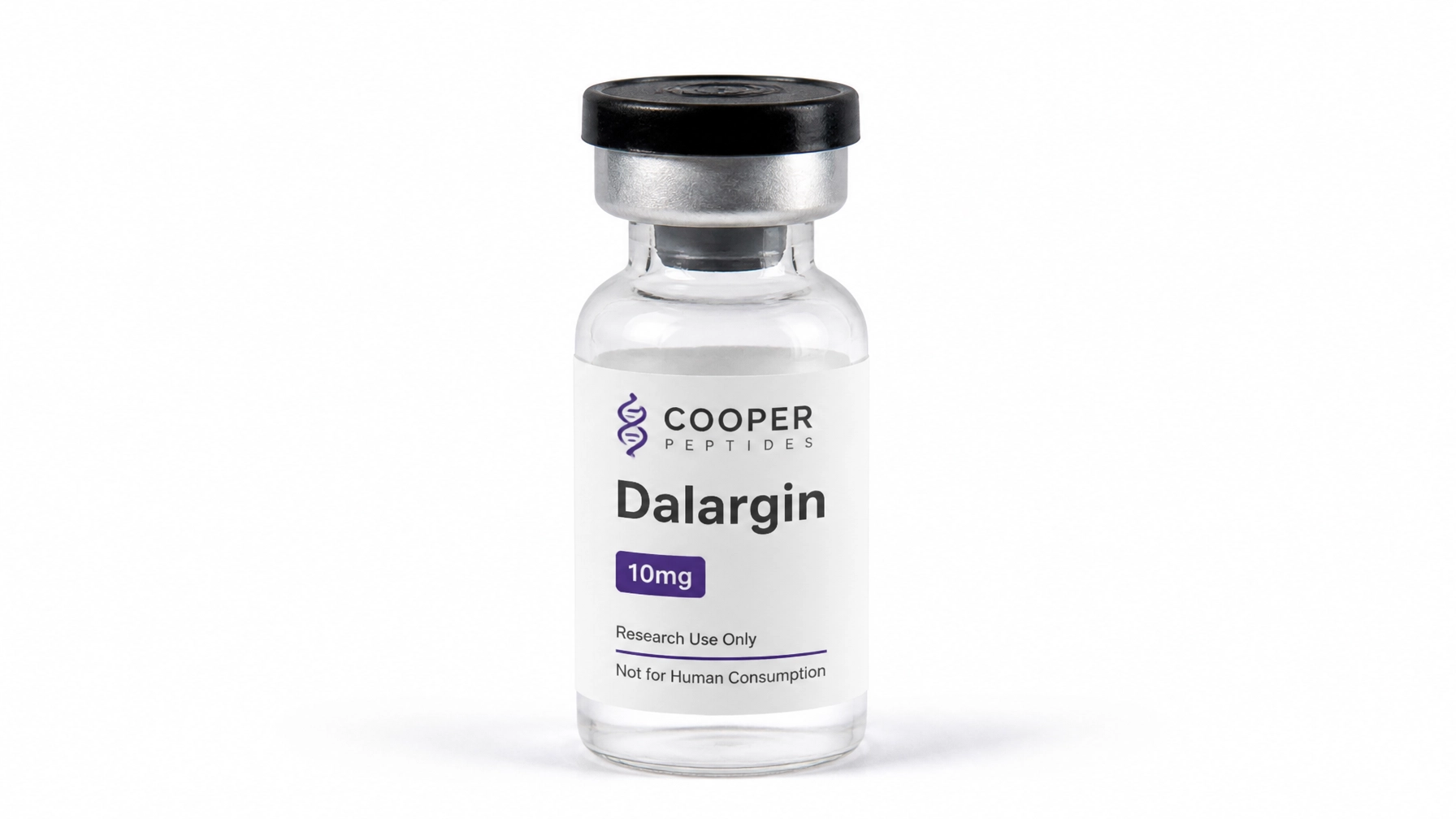
- Verify Compound Purity: Source your research materials exclusively from verified suppliers such as WLAustralia. For specific research listings, explore the Dalargin 10mg Product Page.
- Consult Medical Professionals: Never bypass professional medical diagnosis. Digestive symptoms can stem from underlying conditions requiring standard clinical care.
- Monitor and Maintain: Focus on holistic lifestyle integration: combining proper nutrition, stress reduction, and professional oversight to sustain long-term gut optimization.

Summary and Next Steps
You have now explored the fundamental differences between Dalargin and BPC-157. While Dalargin offers historical insights into stress-ulcer mitigation, BPC-157 stands out as the superior, extensively researched candidate for comprehensive gastrointestinal repair, barrier restoration, and mucosal healing.
Take control of your biological research journey today by exploring our full range of compounds at the WLAustralia Website. Equip yourself with knowledge, prioritize safety, and build your optimization strategy on a foundation of rigorous science.

 Immune Support and Life Extension
 Shop Bioregulators & Research Chemicals for 2026 Scientific Labs
 Brain
Brain Buy Hair & Skin Care Peptides Australia – Top Quality & Best Prices
 Discover WLAustralia Peptides for Anxiety Relief & Longevity