PL5 vs Other Research Peptides: Targeted Cellular Studies Compared

When you step into the world of advanced laboratory investigations, navigating cellular-level interactions can feel like standing in the middle of a massive construction site without a blueprint. You will learn in this comprehensive comparative breakdown how PL-5 (Peceleganan): a specialized synthetic cationic antimicrobial peptide: stacks up against other prominent research compounds such as Alloferon-1 and Dalargin. By focusing on precision, structural mechanics, and experimental reproducibility, you can take control of your study design with absolute confidence.
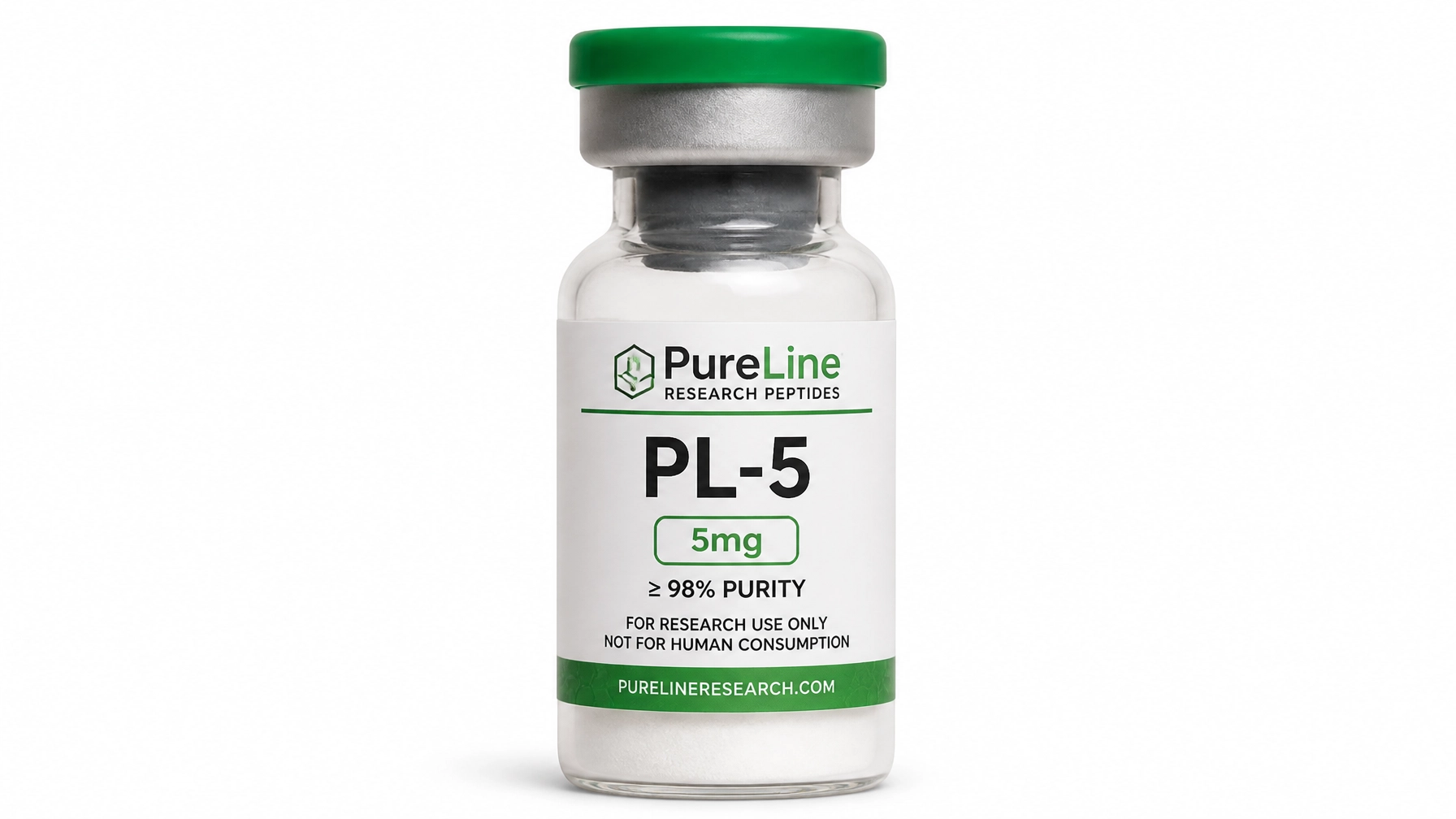
Whether you are evaluating antimicrobial mechanisms or targeted cellular disruption pathways, understanding the distinct functional profile of PL-5 10mg is essential for modern biochemical research.
The Core Frustration: Navigating Complex Peptide Selection
The Problem: Researchers often struggle with distinguishing between structurally similar compounds, leading to experimental ambiguity, poor cellular binding specificity, and inconsistent in vitro reproducibility. When studying microbial resistance or tissue repair pathways, choosing the wrong agent is like installing a car engine part into a bicycle: it simply will not interface correctly with the target system.
The Solution: Implement a systematic, tiered evaluation framework. By comparing PL-5 directly with parallel investigative agents like Alloferon-1 10mg and Dalargin 10mg, you establish rigorous experimental boundaries.
Focus on cellular architecture. Optimization starts at the membrane level.

Understanding PL-5: Architecture and Mechanisms
To appreciate how PL-5 operates, let us define its foundational terminology. PL-5 (commonly designated as Peceleganan acetate) is a synthetic 26–amino–acid AMP (Antimicrobial Peptide) featuring an alpha-helical conformation. Think of this molecule as a molecular key designed with absolute geometric precision to slip past outer cellular defenses and destabilize specific lipid bilayers.
In Australian research facilities operating under strict Therapeutic Goods Administration (TGA) compliant laboratory guidelines, investigators examine PL-5 for its potent membrane-disrupting capabilities against both Gram-positive and Gram-negative microbial strains.
Key Structural Characteristics of PL-5:
- Conformation: Amphipathic alpha-helix allowing seamless interaction with hydrophobic lipid cores.
- Primary Target: Bacterial cell membranes, promoting rapid pore formation and selective lysis.
- Research Focus: Investigating novel pathways to overcome multi-drug resistance in experimental skin and soft-tissue models.
PL-5 vs. Alloferon-1 and Dalargin: A Comparative Matrix
When designing comparative assays, you must weigh how different peptides interact with cellular receptors and immune cascades. Below is a structured comparison table highlighting key functional parameters across these three distinct research compounds.
| Peptide Compound | Primary Classification | Structural Motif | Primary Research Application | Regulatory Context (Australia) |
|---|---|---|---|---|
| PL-5 | Synthetic AMP | 26-aa Alpha-Helix | Membrane disruption & microbial resistance studies | Strict laboratory research use only (non-therapeutic) |
| Alloferon-1 | Immunomodulatory Peptide | Oligopeptide (13-aa) | Natural Killer (NK) cell activation & antiviral pathways | Restricted to in vitro / preclinical cellular assays |
| Dalargin | Synthetic Hexapeptide | Leu-enkephalin analog | Opioid receptor binding & tissue recovery models | Investigational laboratory reagent |

Breaking Down the Biological Synergy
The Problem: Cellular environments in vitro are notoriously dynamic. Introducing a single peptide without accounting for receptor crosstalk or enzymatic degradation often yields erratic kinetic curves and inconclusive data.
The Solution: Harness the principle of synergy. Just like a synchronized sports team passing the ball with pinpoint accuracy, combining foundational knowledge of peptide kinetics with robust assay controls ensures steady recovery of reliable data points.
Consider how PL-5 targets structural integrity compared to Alloferon-1, which stimulates host immune surveillance mechanisms rather than acting directly on microbial walls. By mapping these distinct pathways side-by-side, your protocol achieves ultimate optimization.
Practical Protocol Guidelines & Laboratory Safety
Working with lyophilized research peptides requires rigorous adherence to handling standards. Environmental factors: such as ambient humidity in Australian laboratories during humid summer months: can compromise peptide stability if reconstitution protocols are rushed.
Step-by-Step Handling Framework:
- Inspection: Examine the lyophilized cake inside the vial under neutral lighting. Ensure structural integrity and complete absence of moisture discoloration.
- Reconstitution: Introduce bacteriostatic water or sterile diluent gently along the inner glass wall, avoiding turbulent mixing that could shear delicate peptide bonds.
- Storage: Maintain strict cold-chain protocols (typically -20°C for long-term storage of reconstituted or lyophilized aliquots).
Consider this: Precision in handling dictates precision in results. Never compromise on your aseptic technique.
For comprehensive guidelines on handling pen kits and precise volumetric measurements, refer to our Pen Kit Guide.

Video Resource: Visualizing Peptide Interactions
To further illustrate how alpha-helical antimicrobial peptides interact with lipid bilayers, watch our curated laboratory breakdown below:
[VIDEO_PLACEHOLDER_1]
For a deeper dive into comparative chromatographic purity testing and high-performance liquid chromatography (HPLC) verification standards, explore our secondary video tutorial:
[VIDEO_PLACEHOLDER_2]
Unlocking New Horizons in Cellular Research
The Problem: Stagnant experimental models fail to uncover novel therapeutic avenues, leaving researchers trapped in conventional loops of trial and error.
The Solution: Take control of your laboratory methodology today. By utilizing high-purity research compounds like PL-5 10mg alongside complementary peptides such as Alloferon-1 10mg and Dalargin 10mg, you unlock unprecedented clarity in cellular studies.
Embrace strict safety compliance, adhere to Australian regulatory standards, and elevate your scientific investigations to the next tier of excellence.


 Immune Support and Life Extension
 Shop Bioregulators & Research Chemicals for 2026 Scientific Labs
 Brain
Brain Buy Hair & Skin Care Peptides Australia – Top Quality & Best Prices
 Discover WLAustralia Peptides for Anxiety Relief & Longevity