GHK-Cu: The Copper Peptide for Skin Health, Hair Growth and Anti-Aging Research

GHK-Cu is a small copper-binding peptide attracting attention in skin, hair and tissue-repair research. It is often discussed in connection with collagen production, skin regeneration, wound healing, hair growth and visible signs of ageing.
But the science needs to be separated from the marketing.
GHK-Cu is not a magic eraser for wrinkles or hair loss. Think of it more like a site manager at a construction project. It may help coordinate signals involved in rebuilding and remodelling tissue, but the result still depends on the condition of the “building site”: your skin barrier, nutrition, sun exposure, hormones, age and overall health.
This article explains the research and introduces the two GHK-Cu products available from wlaustralia:
Both product pages clearly state that these are research chemicals only and not for human use.
Important: The human evidence discussed below largely relates to topical GHK-Cu formulations, laboratory studies or animal research. It should not be interpreted as evidence that oral tablets or capsules provide the same effects.
What is GHK-Cu?
GHK-Cu is the copper complex of glycyl-L-histidyl-L-lysine, commonly shortened to GHK. It is a naturally occurring tripeptide: a molecule made from three amino acids.
The “Cu” refers to copper. Copper is an essential mineral involved in several biological processes, including connective-tissue formation, antioxidant defence and cellular energy production.
A useful analogy is a key and delivery vehicle:
- GHK acts like a biological signal.
- Copper acts like a mineral cargo.
- GHK-Cu is the combined signal-and-cargo complex being studied for tissue remodelling.
Research suggests GHK-Cu may influence fibroblasts, the cells responsible for producing parts of the skin’s structural framework. It may also affect collagen, elastin, glycosaminoglycans and enzymes involved in extracellular-matrix remodelling.
In plain English: it may help regulate how the skin clears damaged material and builds new support material.

Problem: skin loses structure over time
As you age, skin generally becomes thinner and less elastic. Sun exposure, pollution, inflammation and reduced collagen production can add to the problem.
Collagen is the main structural protein that helps skin behave like a supportive mesh. Imagine a mattress losing its internal springs: the surface becomes less firm and develops depressions. In skin, reduced collagen and elastin can contribute to fine lines, laxity and changes in texture.
Research solution: support the remodelling process
Laboratory and small human cosmetic studies have investigated whether topical GHK-Cu can support:
- Collagen I and III production
- Skin thickness and density
- Elasticity and firmness
- Hydration and barrier function
- Fine lines and wrinkle appearance
- Photodamage and uneven texture
A review published in BioMed Research International describes studies in which topical copper-peptide creams were associated with improvements in skin density, firmness, elasticity and visible signs of photoageing. Some studies also measured increased collagen production after several weeks of topical use.
However, these findings relate to specific topical creams or cosmetic formulations. They do not prove that a 3mg tablet or capsule produces the same outcome.
The practical takeaway
If your goal is healthier-looking skin, think in layers:
- Foundation: daily broad-spectrum sun protection, adequate sleep, gentle cleansing and moisturising.
- Support: a consistent skincare routine suited to your skin type.
- Research: understand the delivery method and evidence behind any peptide formulation.
- Medical oversight: speak with a qualified healthcare professional if you have persistent inflammation, unexplained skin changes or a wound that is not healing.
Problem: slow or disorganised wound repair
Wound healing is not one event. It is more like a carefully managed emergency response with several stages:
- Haemostasis: bleeding is controlled.
- Inflammation: immune cells clear debris and respond to threats.
- Proliferation: new cells, blood vessels and connective tissue develop.
- Remodelling: the tissue gradually strengthens and reorganises.
If the response is too slow, the wound may remain open. If it is too aggressive or poorly coordinated, scarring and prolonged inflammation may occur.
Research solution: investigate GHK-Cu as a repair signal
GHK-Cu has been studied for its potential role in:
- Fibroblast activity
- Collagen formation
- Blood-vessel signalling
- Inflammatory regulation
- Extracellular-matrix remodelling
- Skin-barrier recovery
The research is biologically interesting because GHK sequences can be released during the breakdown of structural proteins after tissue damage. This has led researchers to investigate whether GHK-Cu functions like an early repair message, telling cells that rebuilding may be required.
Some human topical studies and older wound-healing research reported faster repair or improved barrier recovery. Other evidence comes from cell cultures and animal models, so it should be interpreted cautiously.
GHK-Cu is not a substitute for wound cleaning, sterile dressings, antibiotics when prescribed or professional medical care. Do not apply a research chemical to an open wound.

Video placeholder 1 : How GHK-Cu interacts with collagen research:
Add an educational video explaining fibroblasts, collagen synthesis and extracellular-matrix remodelling. The video should clearly distinguish laboratory findings from proven clinical treatment.
Problem: visible signs of ageing
Ageing is not just about wrinkles. It involves changes in the skin barrier, hydration, collagen turnover, elasticity, pigmentation and the ability to recover from environmental stress.
UV radiation is particularly important in Australia. High sun exposure can accelerate photoageing and damage collagen-supporting structures. A peptide cannot replace sun protection.
Research solution: combine optimisation with realistic expectations
Topical GHK-Cu studies have reported potential improvements in:
| Research area | What has been observed | Evidence limitation |
|---|---|---|
| Collagen | Increased collagen production in some topical studies | Studies were generally small and formulation-specific |
| Firmness | Improvements in skin density and elasticity | Results may vary between products and individuals |
| Fine lines | Reduced appearance of some lines and wrinkles | Cosmetic outcomes are not the same as disease treatment |
| Hydration | Better skin smoothness and barrier-related measures | The base cream or serum may also contribute |
| Photodamage | Improvements in texture and uneven appearance | Sunscreen remains the primary prevention strategy |
The best way to think about GHK-Cu is as one possible part of a broader recovery and maintenance system. You do not service a car by replacing one component and ignoring the engine oil, tyres and brakes. Skin health works in a similar way.
Problem: thinning hair and slow hair growth
Hair follicles are mini production units. Each follicle cycles through growth, transition and resting phases. Hair density can change because of genetics, hormones, inflammation, nutritional deficiencies, medication or illness.
GHK-Cu is being studied because copper peptides may influence follicle size, local signalling and the surrounding skin environment.
Research solution: treat hair claims as early-stage research
The hair evidence is more limited than the cosmetic skin evidence.
Some studies have investigated copper-peptide or GHK-containing topical formulas and reported improvements in hair count or reduced shedding. However, several of these products contained multiple active ingredients. That makes it difficult to identify how much of the result came from GHK-Cu itself.
At present, there is not strong evidence that standalone GHK-Cu is equivalent to established hair-loss treatments such as minoxidil. If you have sudden shedding, patchy loss, scalp inflammation or progressive thinning, seek medical assessment. The cause matters.
GHK-Cu should be viewed as an emerging research topic, not a proven hair-restoration treatment.

Video placeholder 2 : Copper peptides and hair-follicle research:
Add a short educational video explaining the hair-growth cycle, follicle miniaturisation and why combination-product studies cannot prove that GHK-Cu alone caused the result.
Product spotlight: two GHK-Cu research formats
wlaustralia offers two standalone GHK-Cu formats:
| Product | Listed format | Research positioning |
|---|---|---|
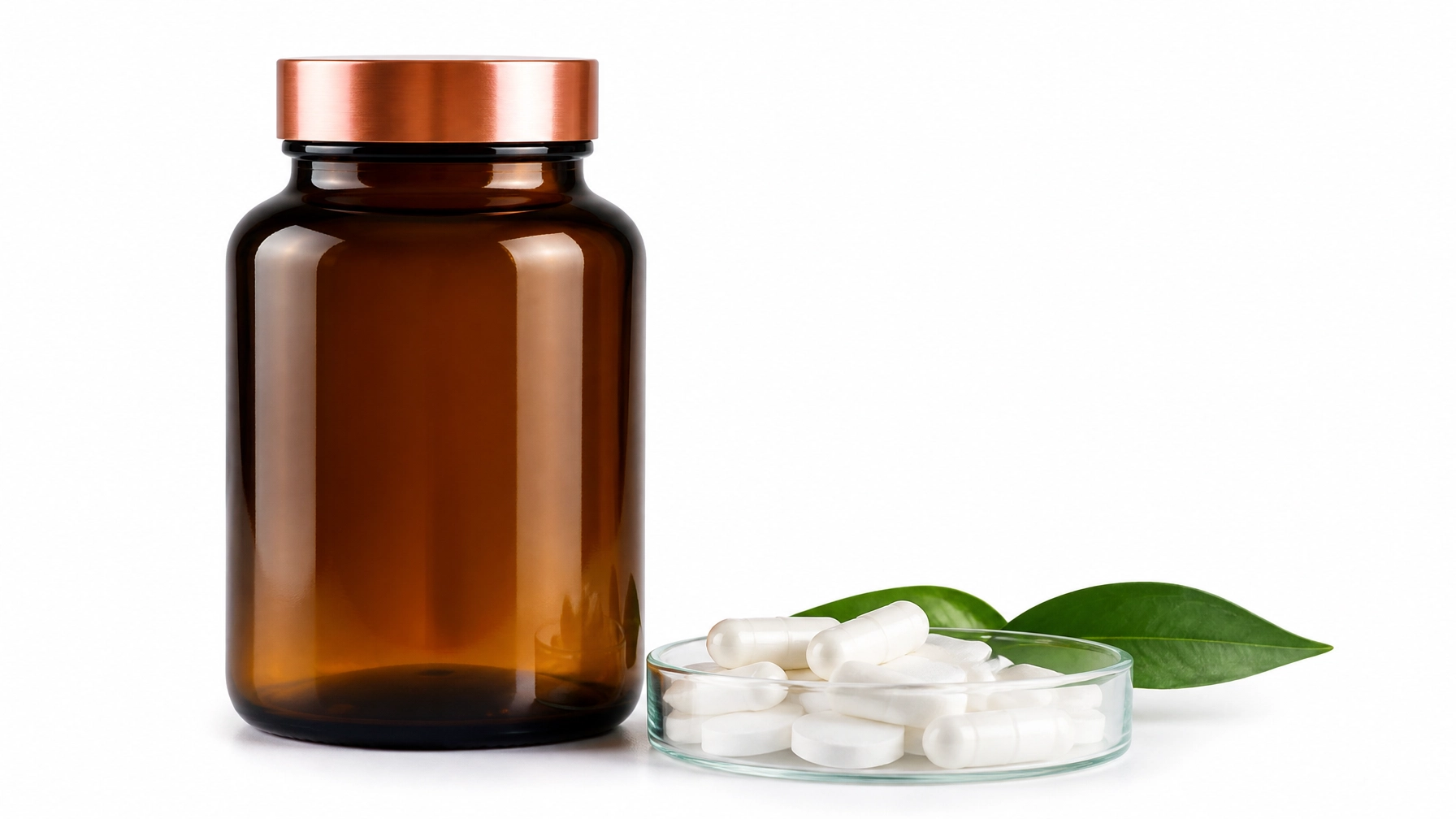
| GHK-Cu 3mg x 100 Tablets | Tablets | Listed as a research chemical only; not for human use |
| GHK-Cu 3mg x 60 Capsules | Capsules | Listed as a research chemical only; not for human use |
The tablet page URL contains “60 tablets”, while the visible product listing identifies the product as 3mg x 100 Tablets. Check the live product page for the current listing details before ordering.
Neither format should be assumed to replicate the results of topical GHK-Cu creams or laboratory delivery systems. Oral absorption, stability, metabolism and biological availability can differ substantially from topical application.
Safety, storage and Australian compliance
The strongest safety history for GHK-Cu relates to topical cosmetic use. Injectable and systemic use has much less robust long-term human safety data.
For research handling:
- Follow the product page’s research-only labelling.
- Do not ingest, inject, apply to wounds or use as a cosmetic.
- Keep the product away from children and animals.
- Store it according to the supplier’s current instructions.
- Do not combine it with medicines or supplements for human use.
- Speak with a qualified professional if you have a copper-storage disorder, liver condition, kidney condition, are pregnant or breastfeeding, or are undergoing medical treatment.
In Australia, the Therapeutic Goods Administration (TGA) regulates therapeutic goods and related advertising. A “research chemical” label does not automatically make human-benefit claims compliant. For background, review the TGA guidance on advertising therapeutic goods and complementary medicines.
Final perspective
GHK-Cu is a promising copper peptide for research into collagen production, skin remodelling, wound repair, hair follicles and visible ageing. Its most persuasive evidence is connected to topical skin applications and cellular mechanisms.
The key principle is simple:
Evidence first. Delivery matters. Safety comes before optimisation.
If you want to explore the research compound itself, view the GHK-Cu 3mg x 100 Tablets and GHK-Cu 3mg x 60 Capsules product pages. For more educational resources, visit the wlaustralia blog.

 Immune Support and Life Extension
 Shop Bioregulators & Research Chemicals for 2026 Scientific Labs
 Brain
Brain Buy Hair & Skin Care Peptides Australia – Top Quality & Best Prices
 Discover WLAustralia Peptides for Anxiety Relief & Longevity